
El Paso, Texas (KFOX14) — October brings pink ribbons. The practical question is what we do after we notice them.
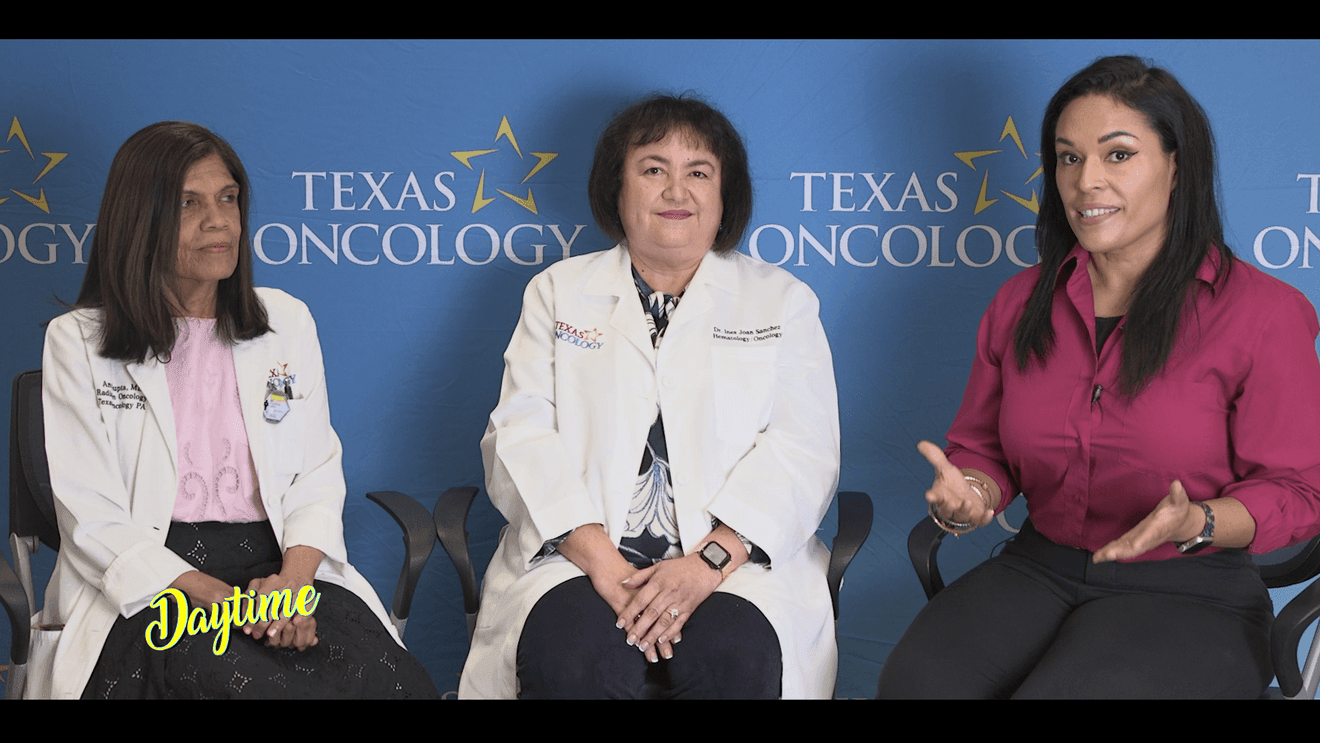
That is why we visited Texas Oncology-El Paso Grandview to speak with Dr. Anuradha Gupta and Dr. Ines Sanchez-Rivera. We wanted to understand the part people do not always see: what happens after a breast cancer diagnosis is confirmed, how doctors determine what comes next and what women can do now to better understand their own risk.
A Treatment Plan Starts With the Details
Once a breast cancer diagnosis is confirmed, the work becomes specific quickly.
The doctors explained that the care team first needs a complete picture of the pathology. That includes information about the cancer’s receptors and other findings that help identify the type of cancer involved.
Those details can influence whether a patient’s treatment begins with surgery, chemotherapy or another approach. It is not a one-size-fits-all sequence. The pathology and staging information help the medical team build an individualized plan of care.
That part matters because the word “cancer” can make everything feel like one giant emergency. The doctors broke the process down into steps: understand the diagnosis, gather the necessary information and use those findings to determine the most appropriate next step.
Know What Is Normal for Your Body
Before there is ever a diagnosis, Dr. Gupta said women should become familiar with what is normal for their own bodies and pay attention when something changes.
“If there is a change, report it to your primary doctor and get it checked out,” Dr. Gupta said. “Don’t ignore a lump either in your armpit or your breast, or any change in the breast that you see.”
The point is not to diagnose yourself. It is to notice a change and bring it to someone who can properly evaluate it.
Dr. Gupta also encouraged viewers to understand their personal risk factors and discuss them with a primary care physician. During our conversation, she cited family history, previous radiation exposure during childhood for another cancer and long-term hormone therapy as examples of information that may be relevant.
Risk is not the same as certainty. It is information worth bringing into the room when you talk with your doctor.
Do Not Wait for Someone Else to Ask
Dr. Sanchez-Rivera reinforced the importance of speaking up, especially when you notice something unusual.
“You might be the first one to detect an anomaly,” she said. “Don’t wait…bring it up to your primary care physician, to your GYN, to whoever your doctor is.”
That was one of the clearest takeaways from the conversation. Do not assume a change is too small to mention, and do not wait for a doctor to raise the subject first. Ask the question and let a medical professional determine whether additional evaluation is appropriate.
Screening is another part of that conversation. The appropriate timing and type of screening can depend on age, personal history, family history and other risk factors, which is why those decisions should be discussed with a health care provider.
Coordinating Cancer Care in El Paso
Texas Oncology Breast Cancer Awareness (Courtesy: KFOX14)
The doctors also walked us through what care may look like after a diagnosis. Depending on the individual patient’s needs, that process can include imaging, laboratory work, staging, chemotherapy, infusion care, radiation oncology and follow-up appointments.
At the Grandview location, the physicians described having several parts of that process available within the same facility. They also discussed precision radiation technology used to help manage movement and target treatment.
Texas Oncology’s current location directory lists four El Paso facilities: Grandview, Gateway, Joe Battle and Vista Del Sol. That gives Borderland patients several local points of access for oncology services, depending on the care they need. Texas Oncology
Breast cancer is not a topic anyone wants to need. Still, this conversation made the practical steps clear: know your body, understand your history, discuss screening with your doctor and speak up when something changes.
The pink ribbon is the reminder. The useful part is the appointment, the question or the decision not to ignore something that feels different.