


Lockheed Martin held a ribbon-cutting event for its Grand Prairie expansion, which will grow the site’s manufacturing footprint to more than 735,000 square feet. [Photo: Lockheed Martin]
To grow production of critical munitions, Bethesda, Maryland-based Lockheed Martin announced plans to add 2,000 new jobs in Texas and 4,000 more across the United States. It also will expand advanced manufacturing at its Grand Prairie Missiles and Fire Control campus by 185,000 square feet.
Lockheed is investing $300 million to expand the Grand Prairie manufacturing footprint, with 100,000 square feet of new space and 85,000 square feet of converted office space. The expansion will take the site to more than 735,000 square feet.
“This expansion is more than just a new facility; it is a stronger supply chain and a more resilient industrial base,” Michael P. Duffey, the Pentagon’s undersecretary for acquisition and sustainment, said in a statement. “Today in Grand Prairie, American industry is answering the call to support our warfighters.”
Delivering critical munitions faster
The company also announced that Torrance, California-based Hadrian will deliver a highly automated 24-machine cell to help ramp up production in Grand Prairie. According to the companies’ 2025 memorandum of understanding, the cell combines computer numerical control, or CNC, machines with advanced robotics and Hadrian’s AI-powered software stack designed for manufacturing. The combination will allow Lockheed to make the specialized metal components used in its missile systems faster than standard manufacturing processes allow.
“The warfighter can’t wait on peacetime timelines,” Hadrian CEO Chris Power said in a statement. “Hadrian is bringing the automation, software and workforce training from our own factories directly inside Lockheed Martin, so we can produce more, faster.”
Lockheed Martin production workers will operate the new Hadrian system, which is expected to come online in early 2027.
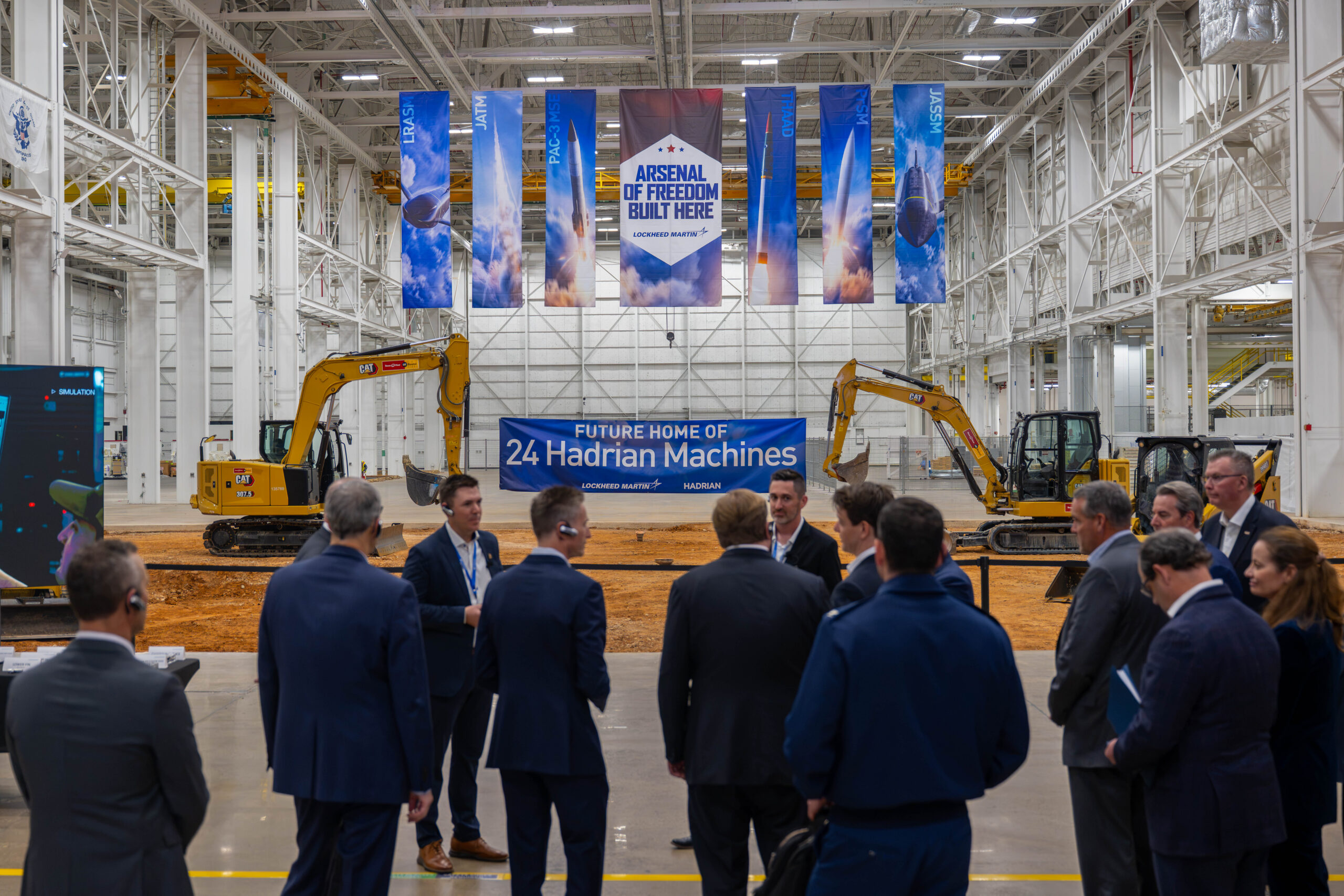
Lockheed Martin production workers will operate Hadrian’s 24-machine automated cell in Grand Prairie. [Photo: Lockheed Martin]
Nearly 800 production employees currently work at the Grand Prairie facility, which manufactured 250,000 parts in 2025. The company has installed more than 30 new high-precision machines in recent months and expects to have added nearly 100 new advanced machines across the facility by the end of 2026.
The company said it aims to integrate the best of defense and commercial manufacturing into its production lines “to deliver critical capabilities faster.” Another example, Lockheed said, was its June collaboration with GM Defense to apply commercial automotive manufacturing methods to defense production.
“Lockheed Martin has brought together commercial speed and combat-proven performance because America needs both,” Jim Taiclet, chairman, president and CEO of Lockheed Martin, said in a statement. “By combining advanced technology with the expertise of our American workforce, we’re transforming manufacturing to deliver critical munitions at speed and scale.”
Rebuilding munitions stockpiles
The goal is to help Grand Prairie reach record production levels of critical munitions, Lockheed said. The Grand Prairie facility supports all of the company’s Missiles and Fire Control programs. Components from Grand Prairie are delivered to final assembly sites in Camden, Arkansas, and Troy, Alabama, among others.
The latest $300 million investment is part of the company’s commitment to invest $8 billion to $9 billion through 2030 to scale munitions production. It plans to modernize or expand more than 20 facilities across the United States.
Earlier this month, Lockheed debuted the PAC-3 Edge missile, a new interceptor designed to counter a wide range of air, missile and hypersonic threats at higher altitudes and longer ranges. It is competing in the U.S. Army’s Future Interceptor program, with testing slated for 2027.
Last month, the Army awarded a contract worth up to $1.2 billion for Lockheed’s Precision Strike Missile Increment 2. The company also announced the first delivery of GM Defense components for the PAC-3 MSE in an “extraordinary 22-day turnaround” made possible by its new Rapid Fielding Center in Grand Prairie.
In June, the company was awarded a seven-year contract for up to $35 billion to quadruple production of THAAD interceptors. In late March, Lockheed announced that its Missiles and Fire Control division is quadrupling its production of Precision Strike Missiles that made their combat debut during the war with Iran.
R E A D N E X T
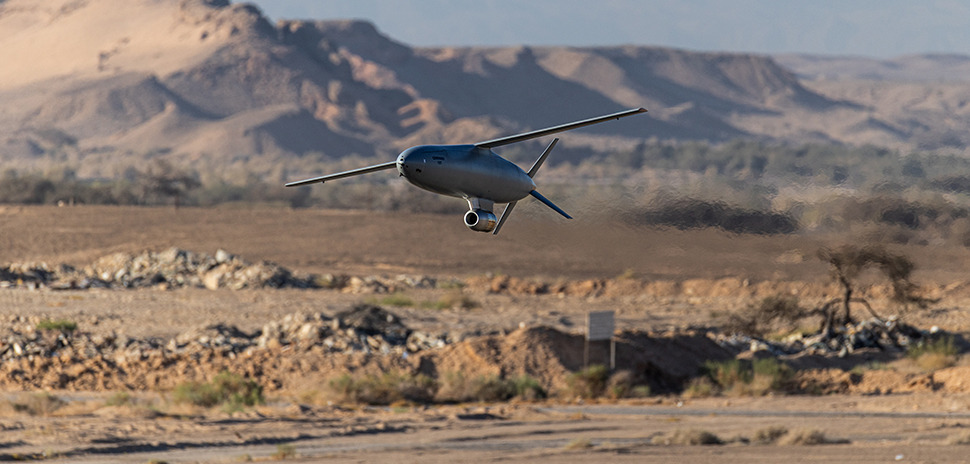
The Washington, D.C.-based company is ramping production of its Anthem long-range cruise missile in North Texas. Investors include Andreessen Horowitz, Founders Fund, Lux Capital, 8VC, Aleph and Lightspeed Venture Partners.
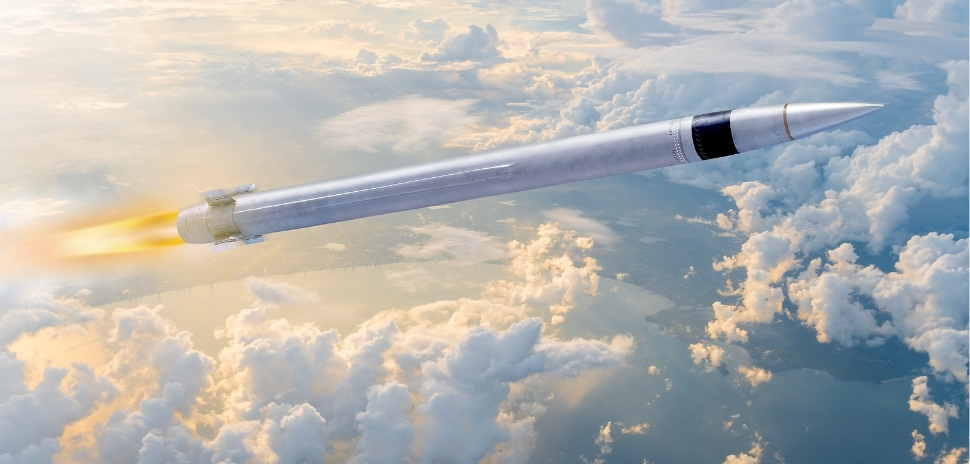
Lockheed is developing the PAC-3 Edge in Grand Prairie, designing it to reach farther, fly higher and maneuver faster than today’s PAC-3 interceptor missiles. The company plans to begin testing the missile in 2027 and deploy it by 2031.
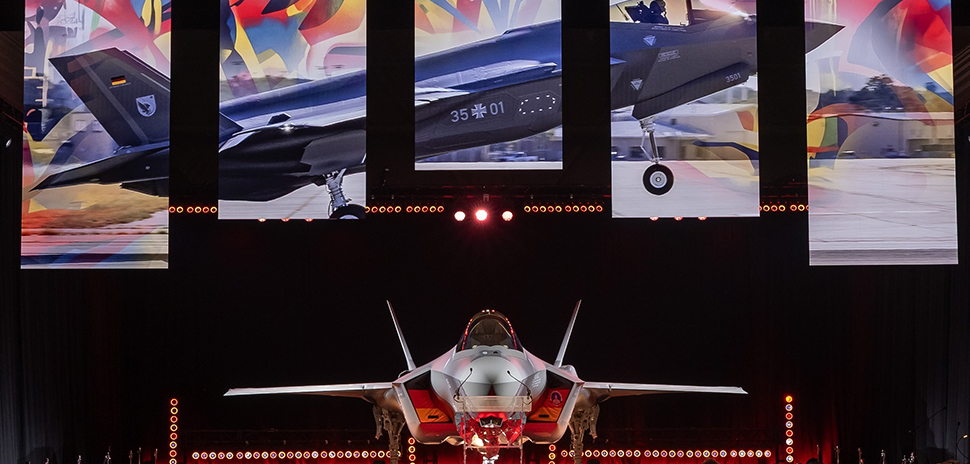
International conflicts are helping propel Lockheed Martin’s aircraft program in Fort Worth and missile program in Grand Prairie.