

The county judge is one of five members of the El Paso County Commissioners Court, which sets a tax rate, adopts a budget and makes policy decisions for the county government. The county judge represents all of El Paso County, serves four-year terms and is paid $152,725 a year.
Who’s running for this seat?
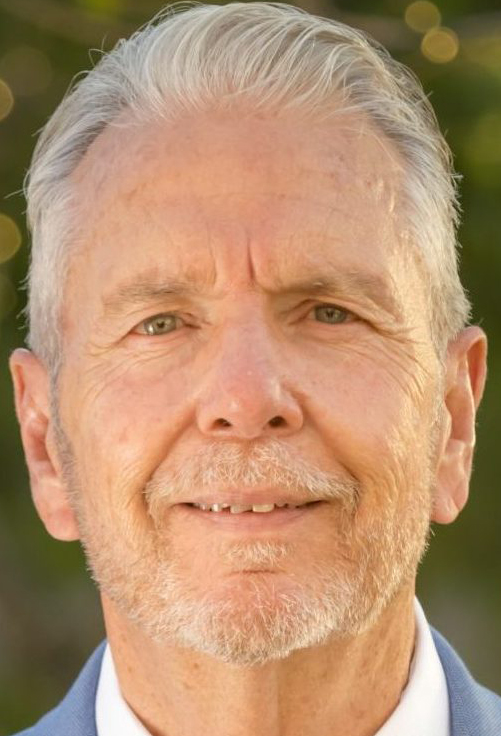
Ricardo Samaniego, 77, a Democrat, is the incumbent El Paso County judge

Minerva Torres Shelton, 58, a Republican, is a retired FBI supervisory special agent and former EPPD police officer
Candidate Questionnaires
Candidates were asked to limit their responses to 100 words. Responses have been lightly edited for grammar.
El Paso County faces growing costs for public safety, courts, jails and employee compensation. If revenues don’t keep pace with those costs, what services would you protect first, and where would you look for savings?
Ricardo Samaniego: Over half of our county budget (roughly 57%) is consumed by unfunded mandates. I have fought back by cutting county department spending by 5% across the board, trimming non-essential services, and aggressively securing state and federal grants to cover border security costs. Real leadership confronts challenges head-on. My policy is clear: we will aggressively oppose any new state requirements unless Austin provides the funding, and I will continue to fight for El Paso at the state capitol.
Minerva Torres Shelton: My commitment is simple, protect the services El Paso County families depend on while making every taxpayer dollar count. That means prioritizing public safety, the Sheriff’s Office, jail, courts, emergency management, infrastructure, essential county offices, and health, welfare and protective services. I will review the budget from top to bottom, identify non-essential spending, look for efficiencies, and pursue state and federal funding. Taxpayers deserve accountability.
The Sheriff’s Office, including the county jail, represents one of the county’s largest areas of spending. How would you balance requests for additional deputies, equipment and other resources with the need to control rising jail costs and maintain safe and humane conditions for people in custody?
Ricardo Samaniego: I prioritize safety and fiscal responsibility. Balancing public safety resources with jail costs requires smart management. We must target overtime spikes and prioritize mandatory operations over non-essential expansions. We will not compromise on safe custody, utilizing contingency funds for emergency safety fixes. Fast-tracking non-violent pretrial cases safely reduces jail populations and staff pressure. Strict oversight supports front-line deputies while holding the line on spending.
Minerva Torres Shelton: Public safety and safe humane jail conditions are essential, but additional funding cannot be a blank check. If the Sheriff requests additional resources, he will be required to clearly explain the needs and provide supporting documentation of the needs. If his department is over budget, I expect a corrective action plan. I will support necessary resources while requiring accountability, responsible spending and proper care for people in custody.
Many issues facing El Paso County — including economic development, transportation, animal services, water and public health — cross jurisdictional boundaries. What should the county do to improve cooperation with municipalities, school districts, UTEP and other regional organizations?
Ricardo Samaniego: To solve cross-border issues like economic development and public health, El Paso County must eliminate operational silos. Water, transit, and animal services affect everyone regardless of borders. As County Judge, I advocate for formal agreements and joint task forces with municipalities, school districts, and UTEP. Pooling resources and aligning plans allows us to leverage collective strength for a unified community.
Minerva Torres Shelton: Communication and collaboration are key. Municipalities and regional partners must come together regularly to identify shared needs, clarify responsibilities, coordinate resources and pursue joint solutions. Issues such as animal services, water, transportation and public health do not stop at jurisdictional boundaries. Better coordination can reduce duplication, identify shared funding opportunities and ensure clear responsibilities and follow-through.
What kind of growth should El Paso County actively pursue, and what should the county do to ensure new development produces jobs, tax revenue and other benefits without creating disproportionate costs for existing residents?
Ricardo Samaniego: Shifting toward advanced manufacturing, aerospace, and innovation leverages our binational location to drive foreign investment. Through Chapter 381 policy and Project ARRIBA, we support small businesses and train workers for higher-paying jobs. We must manage growth without burdening residents. Internal cuts and strategic bonds have delivered infrastructure projects. Our budget maintains the no-new-revenue property tax rate, keeping El Paso affordable while driving economic transformation.
Minerva Torres Shelton: El Paso County should pursue growth that creates quality jobs, strengthens local businesses and expands our tax base. However, before offering incentives, the county must evaluate the true return to taxpayers, such as job creation, wages, and the overall impacts on infrastructure, natural and environmental resources, and future costs. Agreements must include measurable commitments and accountability. Simply, growth should strengthen our economy without placing additional burdens on taxpayers.
How should elected officials work with the county administrator and other professional staff to set priorities and move the county forward, and where should elected officials’ oversight begin and end?
Ricardo Samaniego: Our relationship with professional staff is a partnership built on shared strategic goals. The Commissioners Court sets the vision, policies, and budget, while staff applies their expertise to manage daily operations. Proper oversight means defining policy and ensuring public accountability; however, it must end where daily execution begins, as micromanaging hinders progress. We must grant staff the operational autonomy to lead effectively while we focus on long-term results for El Paso County.
Minerva Torres Shelton: County government should always operate with taxpayers in mind and a commitment to improve our county. Leadership must meet with employees and elected officials and visit departments to understand their responsibilities, challenges and needs. The County Judge and Administrator must understand their roles and expectations. Elected officials set policy and priorities while providing oversight of operations that impact taxpayers. Because oversight means accountability, not micromanagement.