
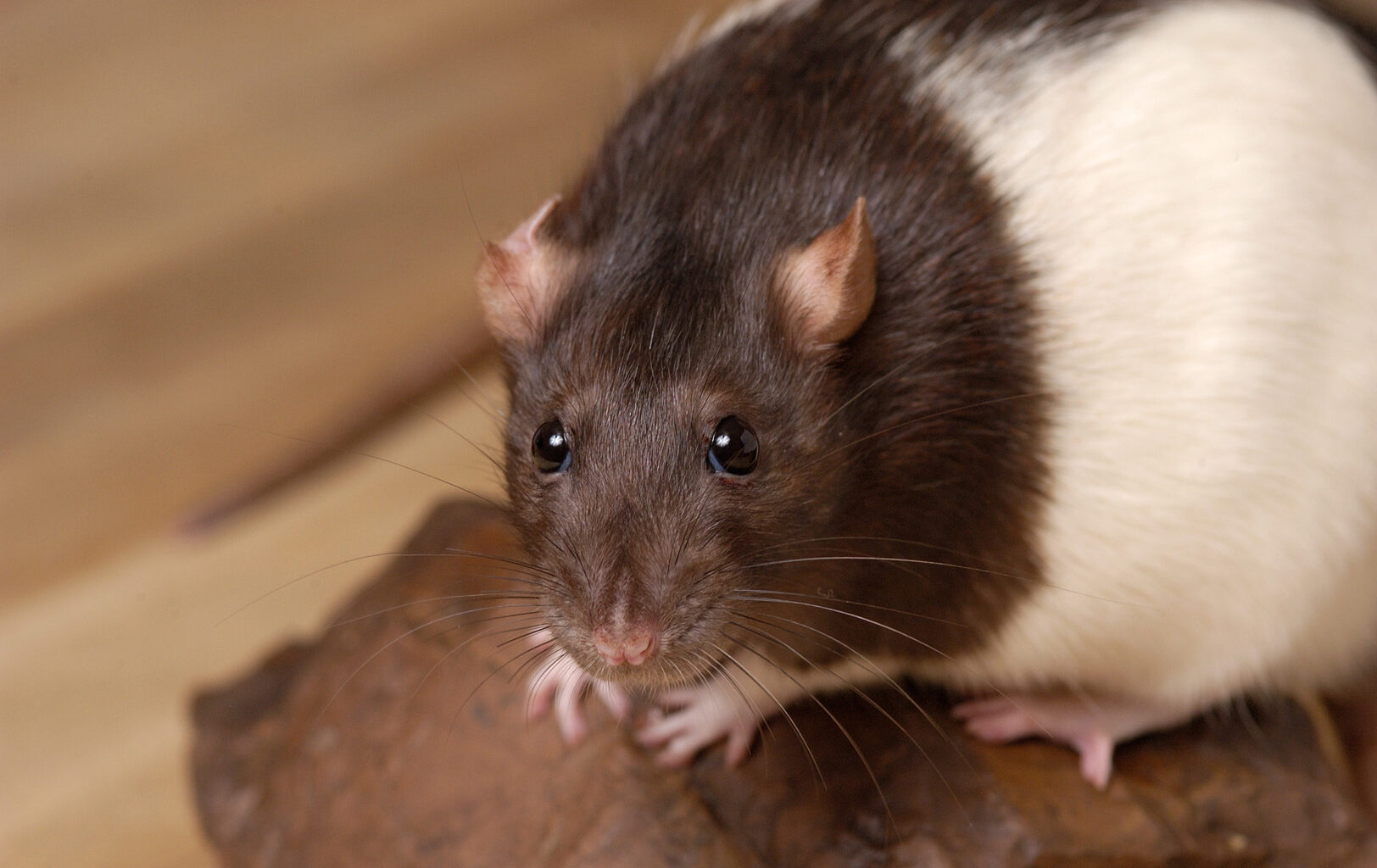
For the first time in years, San Antonio has slunk onto a ranking of U.S. cities based on a metric that might make some residents squeal: the country’s rattiest cities.
Since exterminating company Orkin began producing the annual list in 2015, the Alamo City has appeared at least once before, in 2017. This year, it squeaked back onto the list at No. 49.
The rankings published last week are based on new residential rodent treatments between Aug. 9, 2025, and Aug. 9, 2026.
Rats and mice live in cities for many of the same reasons humans do. Urban areas offer access to food, water and places to nest. When temperatures drop and people cozy up indoors, rodents look to do the same.
Fall is a key time to look for signs of rodents and block ways they could enter a home, the Orkin study says. Experts say no climate is safe — not even warm ones like San Antonio.
“Rats and mice are highly adaptable and can thrive in communities across the country wherever they can find food, water and shelter,” said Dr. Shannon Sked, the national technical director at Orkin.
Beyond the fright of seeing a rodent dart under the couch, the animals can pose risks to people and their homes, the study says. They can spread diseases and gnaw at walls, wiring and pipes.
Rodents also reproduce fast, so it is best to address concerns about them infiltrating a home immediately, the Orkin study warns. It offers the acronym “gnaw” to remember ways homeowners can protect their residences: guard entry points by sealing cracks and holes; never leave food unattended outside; avoid clutter that could create nesting spots; and watch for signs such as droppings, gnaw marks, burrows or scampering noises.
If this rodent talk has you feeling skittish, take it as consolation that San Antonio has less of a problem than other Texas urban hubs.
Dallas ranked No. 12, and Houston climbed nine spots from last year to No. 14 on the Orkin annual list.