
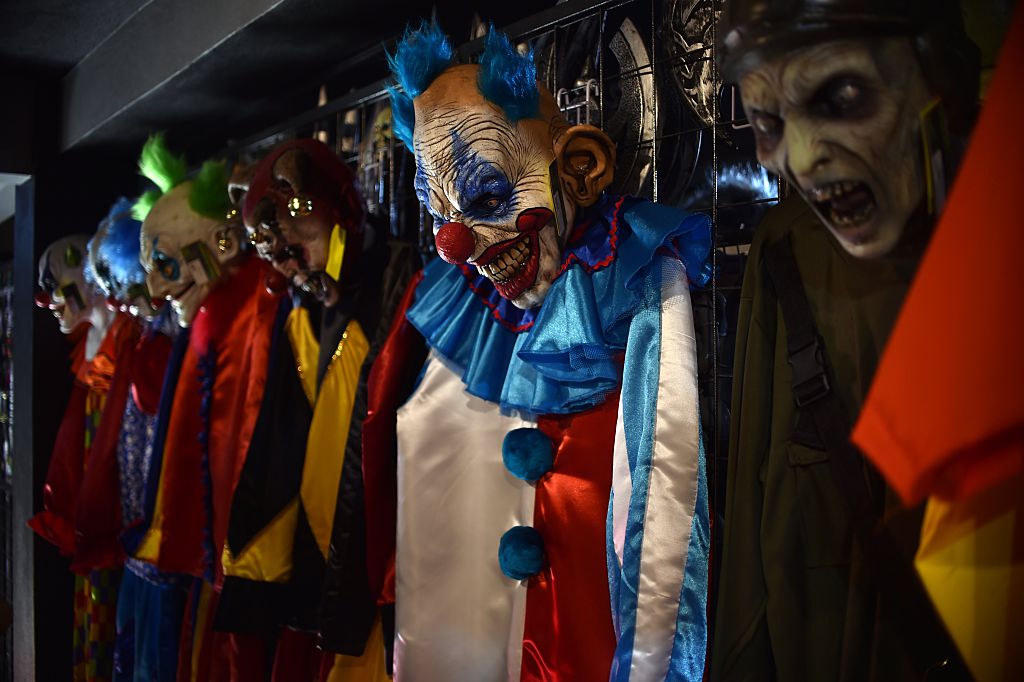
A quick vocabulary word: the fear of clowns is called coulrophobia. And if coulrophobia is something you suffer from, you may remember the creepy clown phase of 2016 without fondness.
A decade ago, San Antonio was among countless cities where individuals in clown costumes were reportedly intimidated locals. It got to the point where News 4 San Antonio built a creepy clown tracker on its website in early October 2016 (although unfortunately, the tracker only shows a 404 error these days). The article accompanying the tracker mentioned reports of an assault by clown in San Marcos and a high school student in Austin surrendering to authorities for making clown threats. The situation had parents uneasy as social media posts targeted schools, and Northside ISD added extra patrols and surveillance at Connally Middle School on October 3, 2016, after one threat was flagged.
And it wasn’t just in Texas. According to an article from CNN at the time, reports of clown incidents began in South Carolina that August but quickly spread across the country and eventually, across the globe. Arrests were made, and the topic floated up to a White House briefing. Stories brewed of clowns attempting to lure and snatch children. Photos and videos of alleged attacks went viral. Some people claimed to have been injured by the clowns, and the craze actually left one dead. In Pennsylvania, a 16-year-old was stabbed to death after riding his bike while wearing a clown mask. The attacker, whose mother said he has a lifelong fear of clowns, was sentenced to up to 40 years in prison in 2019.
So, what was it all about? A few theories floated around at the time. Some looked to history, proposing that people are just kind of prone to mass hysteria and panic from time to time. Apparently a similar craze had happened in the 1980s, though not aided by social media. For the more conspiracy-minded, viral marketing was another explanation — drumming up business for local haunted houses, or potentially guerilla promo for the It reboot coming out the following year.
At least a couple cases proved this to be true. Clown Panic, a Hulu documentary that dropped this week, says the trend may have begun even earlier, starting in May 2016 with the posting of a clown holding a black balloon in Green Bay, Wisconsin. “Days later, a man named Adam Krause came forward and said that the photos of the clown — named Gags — were part of a promotional stunt for his short film, Gags,” People magazine says.
Marketing aside, social anxiety during the fraught election year and a period of cultural upheaval was another guess. Or, just blame it all on social media promoting dangerous and inadvisable behavior. It wouldn’t be the first or the last time that happened.