
Republican Charles Schwertner, an orthopedic surgeon, has represented Texas State Senate District 5 for more than a decade.
In that time, the district, which is home to just over a million people across 11 counties, has seen explosive growth. Schwertner’s hometown of Georgetown has seen its population nearly double from about 55,000 to about 107,000.
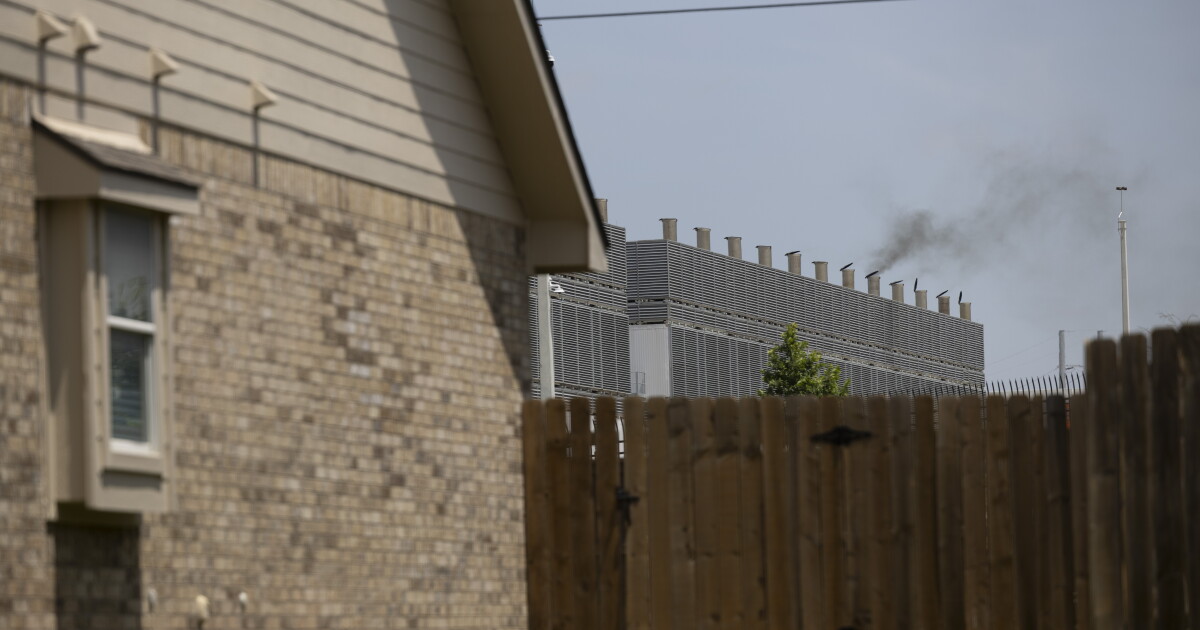
Much of the region’s economic growth has come in the form of data centers. Bastrop and Williamson counties, in particular, have seen an influx of these developments under Schwertner’s watch, drawing disapproval from many residents.
Schwertner’s Democratic challenger in the Nov. 3 election, Paul Thomasson, is hoping that disapproval will cost the longtime Republican incumbent a fifth term in the Texas Senate.
“I feel that the Republicans have been in power for over 30 years, and I feel that Austin has degenerated into billionaire governance where the billionaires get what they want and nobody else matters much,” Thomasson, a retired pastor from College Station, said. “The billionaires wanted data centers, and they’re forced down the throats of everybody in every county across Texas whether they want them or not.”
Thomasson’s campaign website says one his goals is “NO MORE DATA CENTERS.” In the absence of an outright ban on such developments, though, Thomasson said he would make sure to “tax” them. Currently, the state gives data centers more than $1 billion in tax breaks each year.
Thomasson said he would also like to see local officials have more authority over the developments.
“The people of the county have got to have a say and whether or not they’re going to be brought in,” he said. “Data centers raised everybody’s electricity rates … It lowers their property value. People ought to have a say about whether or not somebody can move next to them and do that.”
He believes data centers should have to pay for their own electricity and power infrastructure, as well as make an effort to conserve water.
Schwertner, who serves as chairman of the Senate Business and Commerce Committee, said in an emailed statement that he supports and welcomes “responsible economic growth, but the rapid growth of data centers is putting new demands on our power grid, water resources, and taxpayers.”
He said he’s already done work to hold data centers accountable for some of the costs they incur.
During last year’s regular legislative session, Schwertner co-authored Senate Bill 6, which requires data centers and other large power users to pay for any infrastructure upgrades needed to connect their facilities to the state’s power grid. The bill was signed into law by Gov. Greg Abbott in June of last year.
“Large new users should pay their own way, and protecting our grid and water supply for Texas families comes first,” Schwertner said. “I look forward to passing further legislation that protects Texans and ensures any growth of this industry delivers real benefits to our communities and state.”
Both Schwertner and Thomasson also cite affordability as one of their campaign priorities this election cycle.
Schwertner said rising costs are putting a strain on families and small businesses.
“I’ll keep fighting to lower insurance costs, make coverage more affordable, and deliver further tax relief so families can keep more of what they earn and local businesses can grow, hire, and keep their doors open,” he said. “I’ll also keep working to lower energy costs by supporting Texas energy production so Texans pay less at the pump and on their power bills.”
Thomasson proposes raising the state’s minimum wage, which was last done 17 years ago.
“I believe a rising tide lifts all boats,” he said. “It’s time to actually raise the people’s standard of living.”
Early voting runs through Oct. 30. Election Day is Nov. 3.