
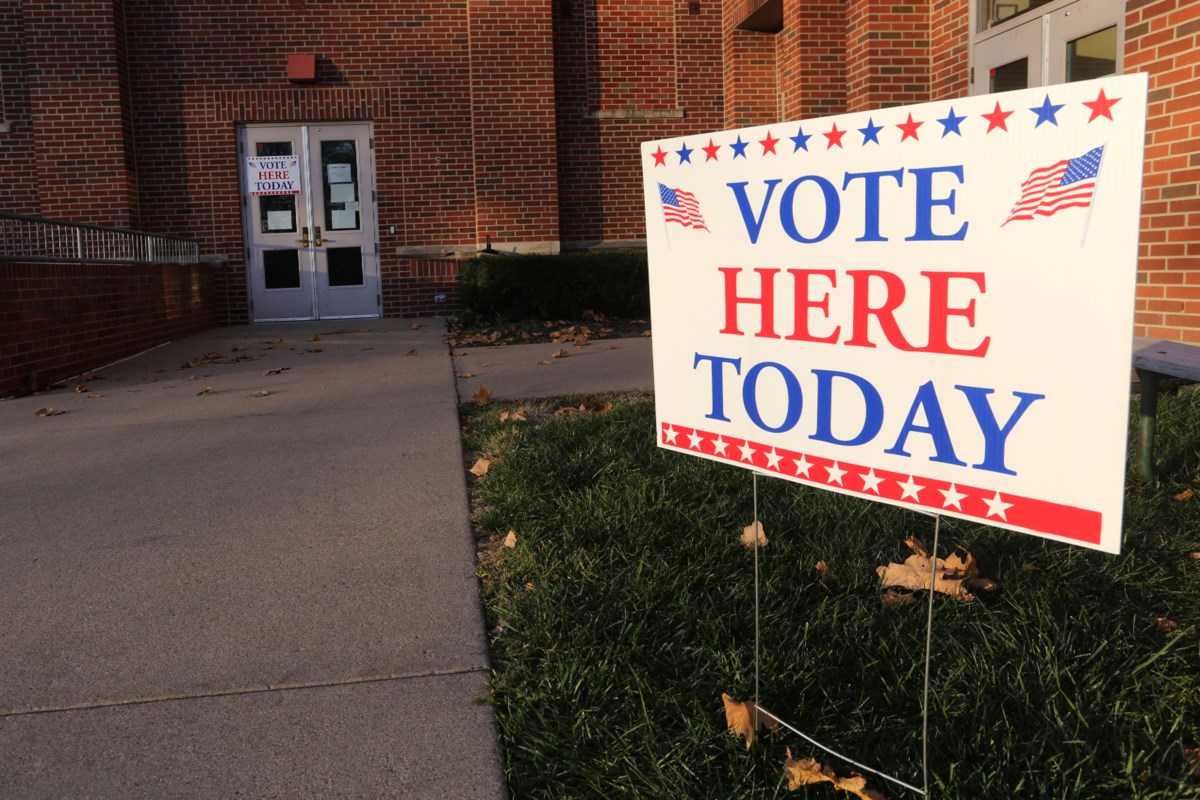
Collin County voters are heading into a midterm election with decisions that reach well beyond the candidates on their ballots. Along with choosing local, state and federal representatives, voters will weigh major funding proposals for county infrastructure and Collin College, while Plano residents face a separate decision tied to a proposed Dallas Stars arena and entertainment district.
Early voting runs through Oct. 30, giving residents until the end of the month to cast their ballots ahead of Election Day on Nov. 3. The deadline to apply for a mail-in ballot is Oct. 23.
Turnout has already drawn attention across North Texas. Collin County recorded more than 34,500 ballots on the first day of early voting, according to WFAA. That topped the 33,350 ballots cast on the first day in 2018 and the 18,991 recorded in 2022.
Here’s what Collin County residents should know before voting.
Which Candidates Are On The Ballot?
The November election includes races at several levels of government. Collin County voters will choose candidates for county judge, county clerk, county commissioner and Place 2 on the Collin Central Appraisal District board.
At the state level, the ballot includes races for governor, lieutenant governor, attorney general and railroad commissioner, along with several Texas Senate and House seats. Federal races are also part of the election.
The full ballot will vary by voting precinct, so voters should check which races and propositions apply to their address before heading to the polls.
Collin County’s $817.5 Million Bond Proposal
One of the largest local questions is whether Collin County should authorize an $817.5 million bond package divided into four propositions. The funding would support roads, public safety facilities, parks and election infrastructure as the county works to keep pace with population growth.
If voters approve the package, the six-year program would cover projects planned between fiscal years 2027 and 2032.
The proposal comes as Collin County continues to add residents. The county has roughly 1.3 million people and gained nearly 43,000 residents between July 2024 and July 2025, according to U.S. Census estimates. Growth has continued in Plano, Frisco, McKinney, Celina and Allen, as well as communities farther north and east.
Would The Bond Increase Property Taxes?
Approval would give the county authority to issue the bonds, but it would not automatically mean an immediate property tax increase. The county’s current debt service tax rate is 4.18 cents per $100 of assessed property value. Assuming county revenue grows by 3% annually, that rate could reach 4.95 cents over the six-year bond period.
County officials have said they could adjust the pace of bond sales if revenue grows faster than expected, potentially keeping the debt service rate from rising. Spreading sales over a longer period is another option, though it could delay some projects.
The eventual effect on the tax rate would depend on how the county issues the bonds and how its revenue changes over time.
Collin College Asks Voters To Approve $600 Million
Collin College has its own bond proposition on the Nov. 3 ballot. Proposition A would authorize $600 million for campus expansions, workforce training facilities and academic space across the district.
The Board of Trustees unanimously called the election as part of Destination 2030, the college’s long-term facilities plan. Proposed projects include expansions at the McKinney, Frisco, Wylie and Farmersville campuses, the Technical Campus in Allen and Courtyard Center in Plano. The package also includes plans for an Aviation Academy in McKinney and new campuses in Anna and Royse City.
Collin College says it does not anticipate a tax rate increase if voters approve the measure, based on current financial projections.
Plano Voters Face A Separate Arena Tax Question
Plano residents will also decide whether the city can impose several venue-related taxes to help pay for a proposed Dallas Stars arena and entertainment district at The Shops at Willow Bend. If voters approve the proposition, the taxes would help support the city’s proposed $700 million contribution toward the arena and related public improvements.
The broader development is estimated at roughly $1 billion and is expected to include sports and entertainment venues, restaurants, retail, offices, housing and public gathering spaces. Under the proposal, Plano would own the arena and enter into a 30-year lease agreement with the Dallas Stars.
The ballot measure would authorize taxes tied to visitors, ticketed events and arena activity, rather than an increase to Plano’s existing property tax rate. The city could impose:
A short-term motor vehicle rental tax of up to 5%
A hotel occupancy tax increase of up to 2%, bringing the maximum combined rate to 15%
An event parking tax of up to $3 per vehicle
An admissions tax of up to 10% of the ticket price
A venue facility use tax of up to $5,000 per game on each member of a major league team playing a professional sports game at the arena
The taxes would apply to specified transactions associated with visitors and arena events. Plano voters should review the proposition carefully to understand which taxes could be imposed and how the city intends to use the revenue.
When And Where To Vote
Early voting runs Oct. 19-30, with Election Day on Tuesday, Nov. 3. The deadline to apply for a ballot by mail is Friday, Oct. 23.
Because ballots can vary by precinct, voters should review their sample ballot and confirm their polling location before voting. The county bond package, Collin College proposition and Plano’s arena-related tax question are separate measures, and not every voter will see the same local propositions. Find a polling location near you here.
Don’t miss anything Local. Sign up for our free newsletter.