
San Antonio Animal Care Services is trying again to update its estimate of the city’s roaming dog population after survey attempts in 2024 and 2025 failed to establish a reliable baseline.
The earlier effort, conducted with UTSA and St. Mary’s University, relied on people driving through neighborhoods, counting dogs and writing their observations on paper.
After a 2024 recount, the results still weren’t reliable enough to serve as a baseline, according to the department. A second attempt in 2025 also did not produce reliable results.
“It was very manual,” ACS Director Jon Gary said.
This time, the city will work with Southwest Research Institute for a three-month study costing just under $100,000, according to city documents.
This is similar to the cost for the UTSA/St. Mary’s University study in recent years.
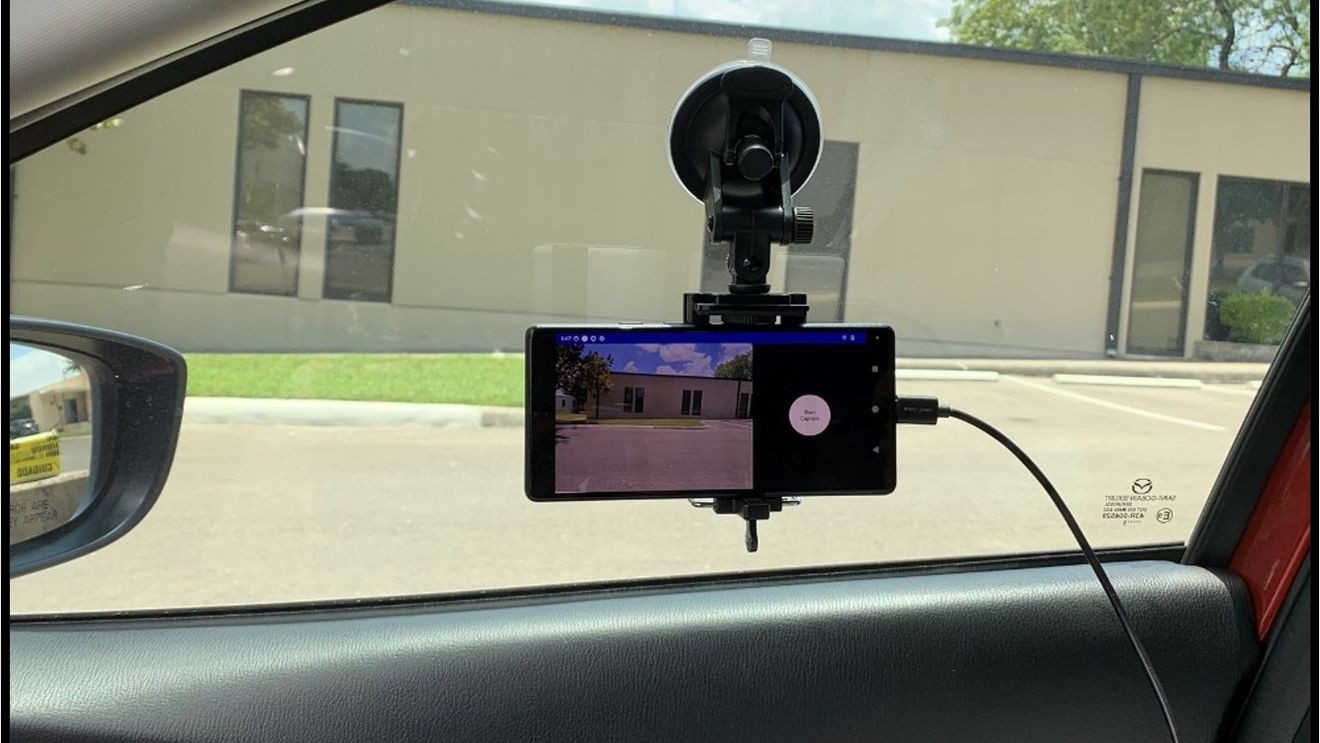
SwRI will use vehicles and camera technology to collect footage, then analyze the data. Gary said that process should reduce the potential for human error.
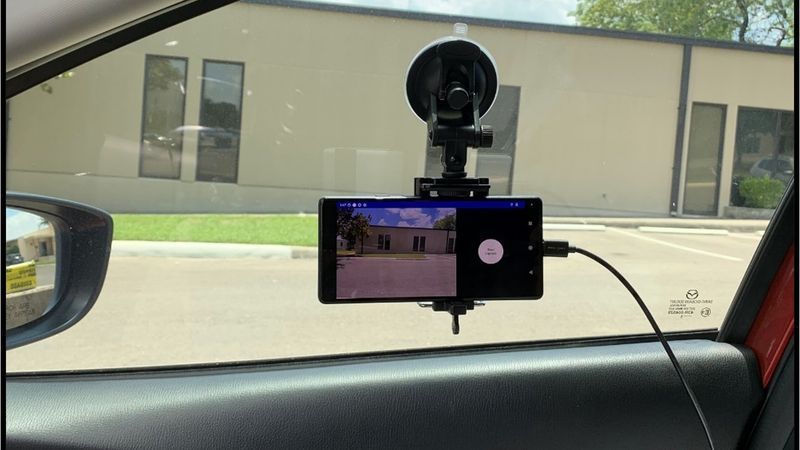
The system uses machine vision to detect dogs in the footage. Gary said it may also catch animals that human observers miss.
“One of the examples that they showed was a dog under a car. The human missed it,” Gary said. “But the AI technology picked that up, and so it counted.”
The 2019 study estimated about 34,636 unrestrained dogs in San Antonio. ACS found that most were owned dogs roaming loose, rather than strays.
Gary said ACS data already suggests the city has made progress, including fewer calls for service involving roaming dogs. He hopes the new study will help verify those trends and show where the city should focus future efforts.
“I really think that it’s going to show progress that’s been made here and then really identify where we are right now,” Gary said, “and so kind of help us guide us where we need to go in the future.”
After conducting research between October and December of 2026, SwRI will compile a final report with summary data and videos of observed dogs.