
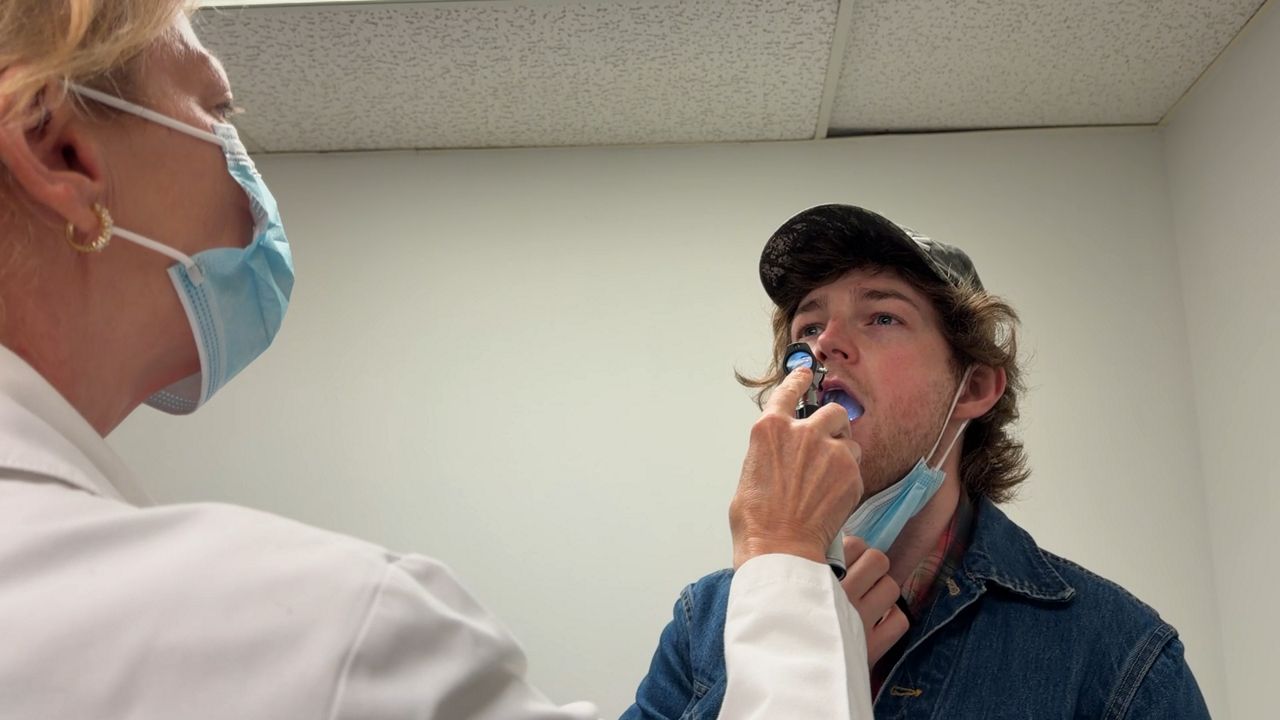
TEXAS — If you haven’t gotten your flu shot yet, you’re not alone. But a Texas doctor says waiting could cost you, as the Centers for Disease Control and Prevention (CDC) reports rising cases in an early flu season.
Dr. Donna Casey, an internal medicine physician affiliated with Texas Health Presbyterian Hospital in Dallas, said many of her patients have not received their flu shot yet.
The CDC said this year’s flu is starting months earlier than in the last five years, with cases rising in all 50 states from late August through early September.
Casey said the spread increases as children head back to school.
“A lot of people and dense people in small spaces pass germs, especially children because they’re not as good with the hygiene. So this year, we’re seeing more flu earlier, especially on the West Coast right now. But also in Dallas we’re seeing more flu,” said Casey.
Her office has seen flu-related calls jump since early October. Because COVID-19 and flu share similar symptoms, Casey recommends testing at home for both.
“I think it’s helpful to see how easy this [COVID-19 and flu antigen test] is for control. You need this line no matter what. It means you did a good test. And this is positive for flu or COVID,” said Casey.
Most cases bring aches, fatigue, fever and a dry cough, but there’s one red flag that needs emergency care.
“If you’re starting to get better and then you get worse and the fever starts roaring back. You start to have a green cough, shortness of breath, chest pain. That may mean a secondary bacterial infection on top of the virus,” said Casey.
She said taking vitamin D, having good hygiene, wearing masks and getting the flu shot are preventive measures.
“The flu shot reduces your risk of getting the flu by up to 60%. That doesn’t seem like a lot, but it is,” said Casey.
Over-the-counter medicines can bring down a fever, but you can still be contagious for up to six days. Casey expects this season to peak earlier than usual, in December.