
In 2015, Tarrant County had 1,563 primary care physicians and a population of 1,973,526, according to state data.
A decade later, the number of primary care physicians had risen to 1,967 — a 26% increase. In tandem, the county boasted 2,322,418 residents last year, an 18% increase in that same timeframe.
Although the number of primary care physicians is growing faster than the population, two local physicians also noted an aging workforce, a strained daily work ecosystem and a lack of interest from students.
Aging population, aging physicians
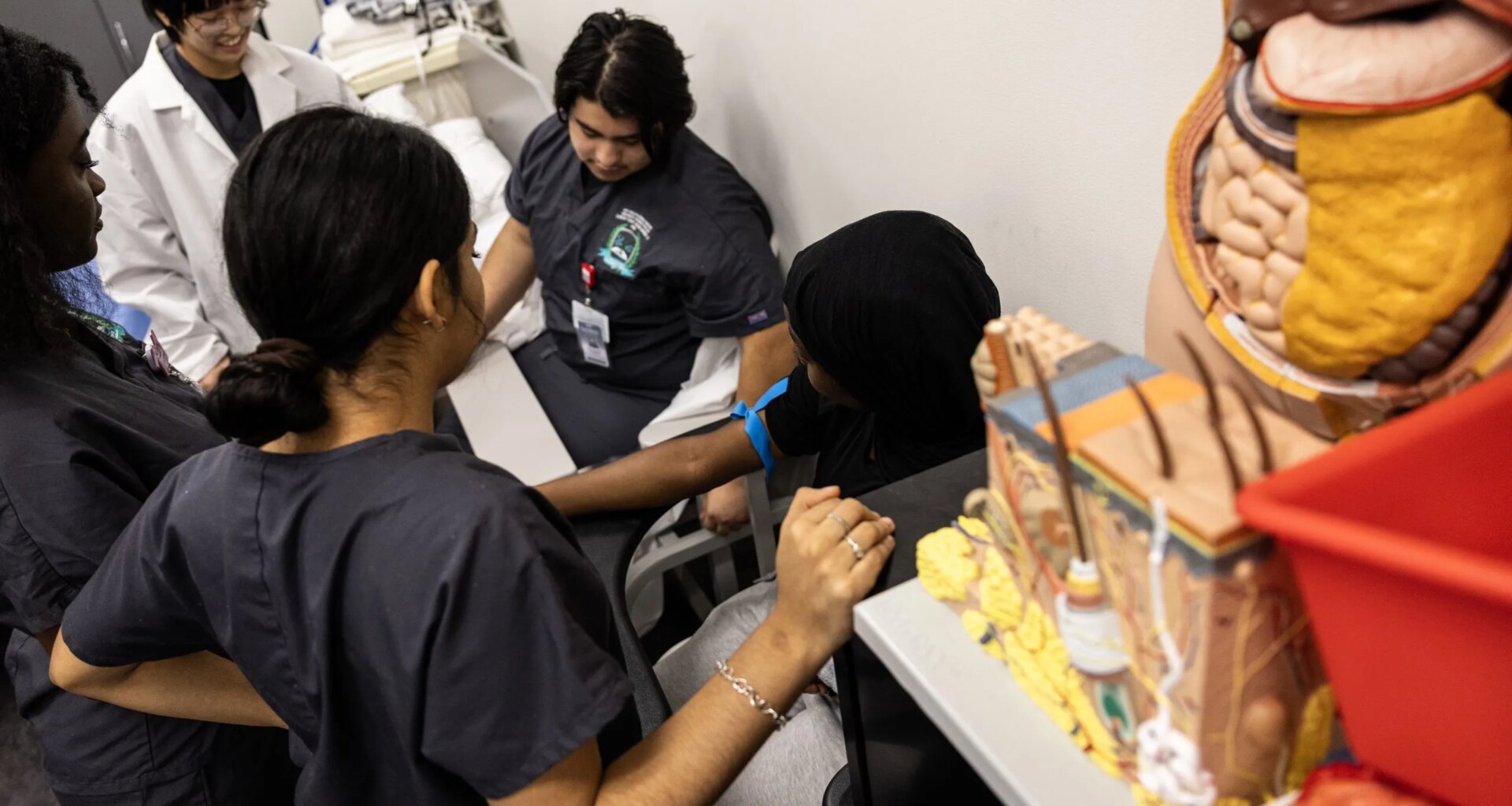
Dr. Stuart Pickell has his own primary care practice and teaches at Texas Christian University’s Burnett School of Medicine.
The former Tarrant County Medical Society president pointed out that an increase in doctors does not necessarily translate to better access to care.
The data does not indicate how many of those physicians are older and working part time, Pickell said. It also does not reflect that poorer Tarrant County residents may lack the transportation means to travel to see a primary care provider.
“There’s a lot of variables that are in play when it comes to the actual delivery of care, as opposed to just the actual numbers of doctors that are living in Tarrant County, or practicing in Tarrant County or working in Tarrant County,” he said.
A significant portion of primary care physicians are over 55, said Frank Filipetto, distinguished professor at the Texas College of Osteopathic Medicine and board certified physician in family medicine. He estimated 40%-45% fall into that age category. This comes as the population as a whole is getting older and will need more care.
“You got this almost iceberg-ahead kind of thing,” he said. “We have a lot of older primary care physicians who are probably going to hit retirement age in the next 10 years, and a lot more older patients requiring care.”
Getting primary care starts with getting in
Primary care physicians play the role of a quarterback for patients, helping them “navigate the healthcare system,” Filipetto said.
They know a lot about their patients, including the social determinants — nonmedical factors, such as economic status or access to education — that affect their health. They can prevent them from receiving the disjointed care that sometimes results when patients see specialist after specialist with no one overseeing their overall health.
“That’s the rewarding thing about being a primary care doc, but that’s also the hard work primary care has to actually perform,” Filipetto said.
But to get that kind of care, a patient has to be able to get in to see a doctor. Pickell said in his practice, new patients can wait three months before their appointment rolls around.
While patients wait to be seen, conditions can worsen, and they may end up in the emergency room for an issue that was ultimately preventable, Pickell said.
This can lead to an increase in healthcare spending, Filipetto said, as emergency room visits or hospital stays are far more expensive than primary care.
“Because patients don’t have immediate access to care when they need it, their problems get worse quicker, their issues become more urgent, and we spend more money,” Filipetto said.
Doctors also need more time with their patients, Pickell noted. Medical advancements have helped patients with more serious conditions live longer, and those patients require more complex care.
But lower reimbursement rates for primary care providers also means doctors need to see many patients each day.
“Doctors want to be able to make patients better,” Filipetto said. “That takes time, that takes care, and the business model sometimes — often — contradicts that.”
Some doctors choose to go into direct primary care, a different model that allows them to bypass insurance companies in favor of charging patients a regular fee for their care. This can give a patient more time with their doctor.
Another alternative is concierge medicine. Similar to direct primary care, this membership model gives those who pay a regular fee greater access to a doctor. This works for patients who can afford it, Pickell said, but is not feasible for everyone.
“My concern is that they’ll end up having a two-tiered system, where you’ve got the people that don’t have the money to pay for the time that they need with their doctors, and then you’ve got the people who do have the money and they don’t mind paying $100 or $200 a month or whatever the fees are,” he said.
Training the next generation
When Pickell was in medical school, he did not feel that students were encouraged to go into primary care.
“If you told someone you’re going into primary care, they’d be like ‘Why are you wasting your life on that?’” said Pickell, who graduated from UT Southwestern.
That bias can lead medical students to choose more prestigious professions.
But certain groups of medical students gravitate toward primary care, Filipetto said. Those from underserved areas, those who are pursuing medicine as a second career and those who are the first in their family to become a doctor are more likely to choose it. Recruitment focusing on these populations can help grow the number of primary care physicians.
It is also a tough choice of a type of practice, Filipetto said. Primary care doctors may deal with heavy administrative burdens, and there is the lower reimbursement rates.
“The whole healthcare system, in my opinion, is broken and really is hard to support what a primary care physician does every day,” Filipetto said.
McKinnon Rice is the health reporter for the Fort Worth Report. Her position is supported by a grant from Texas Health Resources. Contact her at mckinnon.rice@fortworthreport.org.
At the Fort Worth Report, news decisions are made independently of our board members and financial supporters. Read more about our editorial independence policy here.
This <a target=”_blank” href=”https://fortworthreport.org/2026/10/24/what-does-the-primary-care-landscape-look-like-in-tarrant-county/”>article</a> first appeared on <a target=”_blank” href=”https://fortworthreport.org”>Fort Worth Report</a> and is republished here under a <a target=”_blank” href=”https://creativecommons.org/licenses/by-nd/4.0/”>Creative Commons Attribution-NoDerivatives 4.0 International License</a>.<img src=”https://i0.wp.com/fortworthreport.org/wp-content/uploads/2021/04/cropped-favicon.png?resize=150%2C150&ssl=1″ style=”width:1em;height:1em;margin-left:10px;”>
<img id=”republication-tracker-tool-source” src=”https://fortworthreport.org/?republication-pixel=true&post=844926&ga4=2820184429″ style=”width:1px;height:1px;”><script> PARSELY = { autotrack: false, onload: function() { PARSELY.beacon.trackPageView({ url: “https://fortworthreport.org/2026/10/24/what-does-the-primary-care-landscape-look-like-in-tarrant-county/”, urlref: window.location.href }); } } </script> <script id=”parsely-cfg” src=”//cdn.parsely.com/keys/fortworthreport.org/p.js”></script>