
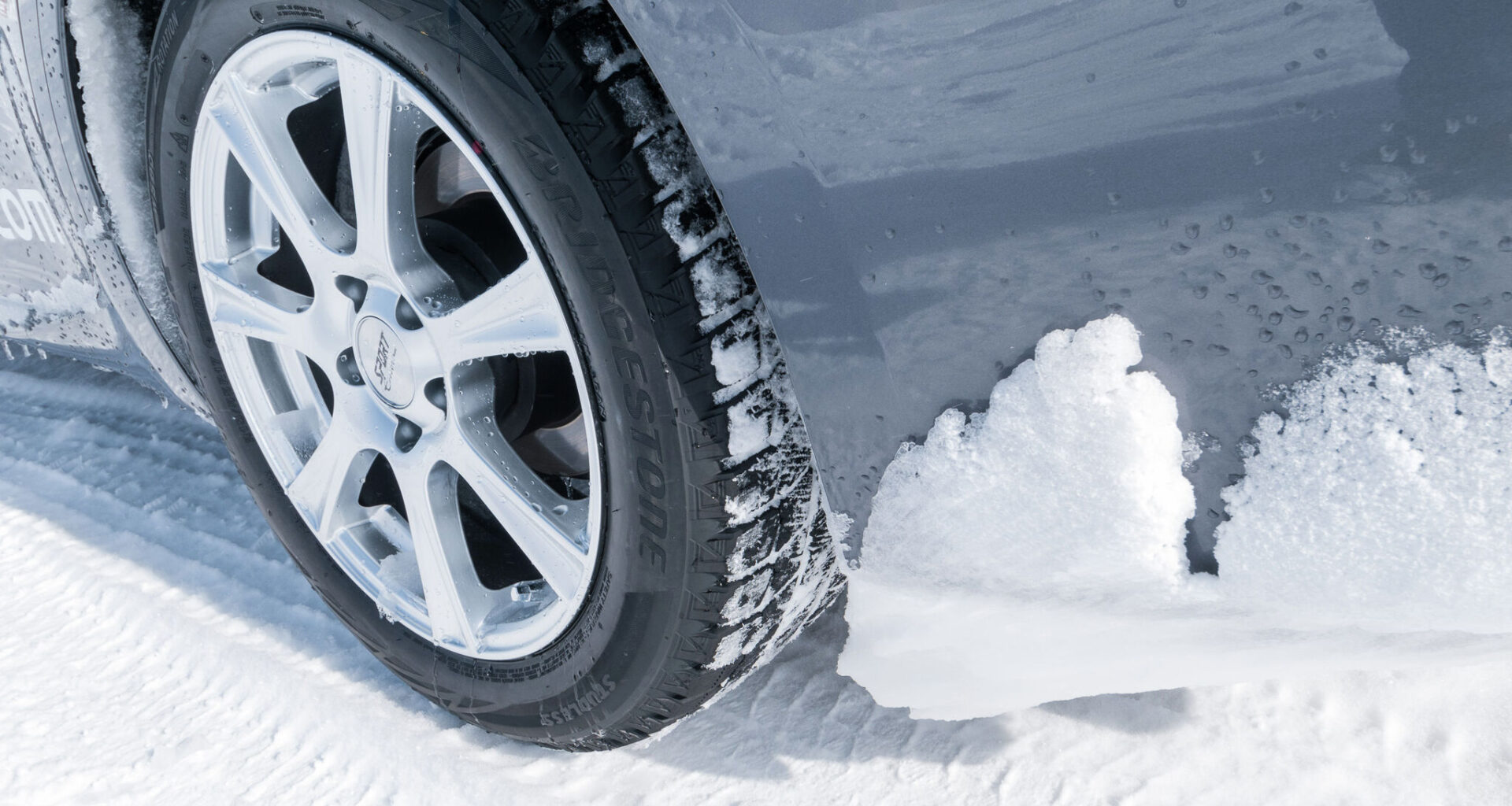
Temperature drops can lower tire pressure and affect handling, braking and fuel efficiency. Here’s how to prepare your tires for a cold front.
Dan Leeth/Dallas Morning News
A sudden North Texas cold front can lower a vehicle’s tire pressure before it even leaves the driveway.

Don’t wait for the light on the dashboard to appear. The pressure may already be low, and continuously decreasing, by the time it pops up.
The American Automobile Association suggests North Texas motorists pay a little extra attention to their tires as the weather fluctuates to stay safe on the road.
Article continues below this ad
Related: What to know about tire maintenance, avoiding blowouts in Dallas
Here’s what to know about taking care of your tires as cooler weather rolls in.
What happens to tires when the temperature drops?
Tire pressure can drop 1 PSI, or pounds per square inch, for every 10-degree temperature drop, according to Daniel Armbruster, senior public affairs specialist for AAA.
“That means if temperatures fall 30 degrees overnight, drivers could see their tire pressure drop by approximately three PSI,” Armbruster said. “That’s particularly important in Texas, where we can experience significant temperature swings in a short period of time.”
Article continues below this ad
The most common indicator of low tire pressure is when the dashboard light illuminates. Before the light appears, drivers may notice a tire appears visibly low or the wheel “feels sluggish when steering.”
How does low tire pressure affect driving?
Underinflated tires can reduce steering responsiveness, compromise traction on the road and negatively affect braking performance, especially on wet or slippery roads. Low pressure also increases rolling resistance, the force that slows a moving tire down, which means the engine has to work harder and uses more fuel, Armbruster said.
Related: How often should you change your car’s fluids? What to know
“Over time, underinflation can cause premature tire wear and excessive heat buildup, increasing the risk of tire failure,” Armbruster said.
Article continues below this ad
Low pressure causes tires to flex excessively while driving, increasing internal temperatures and weakening the rubber. High temperatures can degrade the tire materials and put drivers at an increased risk of a blowout, Armbruster explained.
Driving on underinflated tires can also cause uneven treadwear, which can reduce traction and endanger the driver and others on the road.
What should drivers do before a cold front?
Tire pressure should be checked at least once a month, and especially before going on long road trips or whenever temperatures change significantly. Each vehicle’s tire pressure specifications are located inside the driver’s side door or in the owner’s manual.
Inspect all four tires and the spare for cracks, cuts, punctures, bulges or other visible damage, particularly along the edge. Drivers should also examine tread depth and look for uneven wear, which could indicate more mechanical problems such as uneven alignment, suspension or inflation issues.
Article continues below this ad
“The best time is when the tires are cold,” Armbruster said. “Driving generates heat, which temporarily increases tire pressure and can give motorists a misleading reading.”
Armbruster said underinflated tires don’t always appear flat, and recommends drivers use a tire gauge instead of relying solely on a visual inspection.
“Maintaining the correct tire pressure is one of the simplest ways motorists can improve safety, extend tire life and save money at the gas pump,” Armbruster said.
Related: What D-FW drivers should keep in their cars for roadside emergencies
Article continues below this ad