
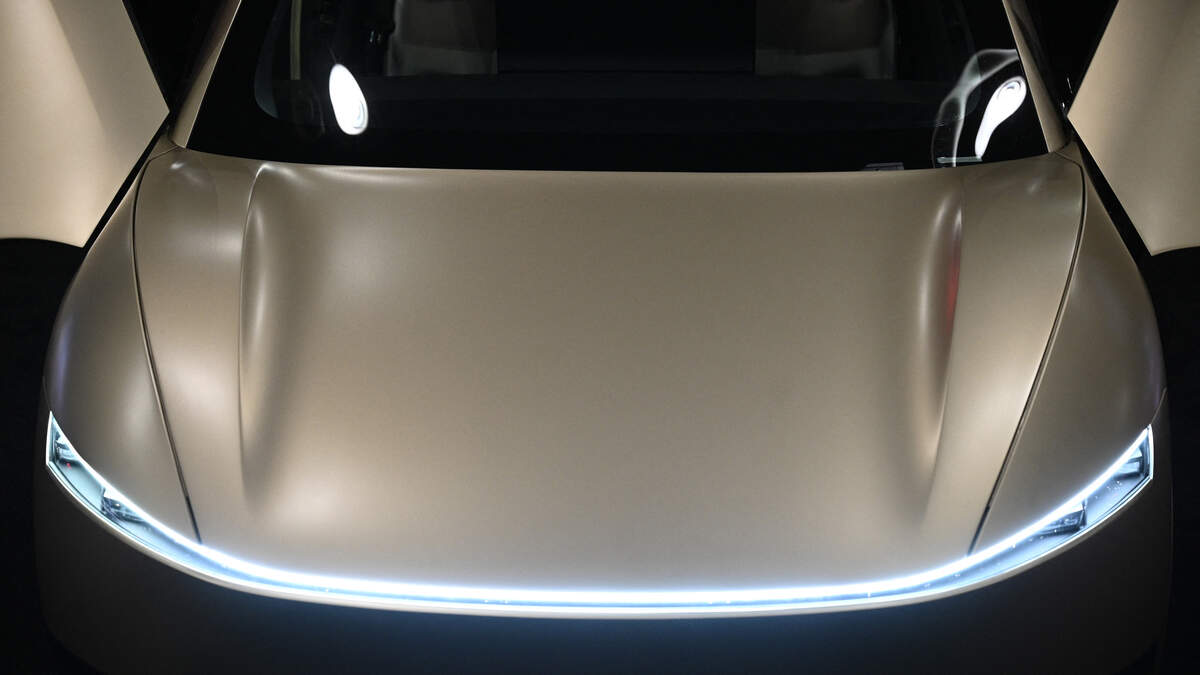
Robotaxis, aka driverless cars, have been around for a number of years, as their efficacy continues being tested around the country. Places like San Francisco, Austin, and other places have taken the idea in stride with positive reception. Minus some instances in Austin, where robotaxis were seen stopping in the middle of highway traffic. Regardless, the new era of technology is here and now, Tesla is expanding that into Houston and Dallas.
The company recently announced they are bringing robotaxis to Texas’ two largest cities in the coming months. While it is not the Jetsons flying car idea, it is a new wave of technology we have not seen before and one everyone can access.
KTRH High Tech Texan Michael Garfield says regardless of fears, worries, and doubts, this is a good thing.
“Vehicles like this have already been around the state of Texas for years…a number of other manufacturers have also been using robotaxis for many, many years,” he says.
Plenty of companies, like Waymo, have also dipped their toes into the driverless water with plenty of success.
As mentioned, there have been issues with the cars, especially in Austin. Cars have stopped in the middle of the road, or driven to the wrong place. There is a variety of things that can possibly go wrong. But that also comes from the fact this is a newer technology. There are always bound to be hiccups.
But that should not deter anyone from just hating the idea. That kind of issue comes as we develop technology as a society. All in all, too, the robotaxis have not had too much issue outside of that.
“The software, I certainly trust it. It has come a long way in the last ten years…these companies have to pass a certification, both at the state and federal level, before getting their operating license…and they are going to continue to learn,” says Garfield.
But especially for people who were born pre-1995, like the person writing this article, it can be a hard thing to trust. Most of us are used to slow advancements in tech and not trusting it. We want tangible things and physical confirmation. We want to see a driver in the car. Seeing a driverless car can be disconcerting, to say the least.
Those fears will not get quelled overnight; it will take time.
“It is going to be a paradigm shift…which might take a generation or half a generation to become comfortable with it,” Garfield says.
Garfield adds this is not the future of technology, it is the technology of now.
While it is not flying cars like we were promised in the Jetsons, it is as close as we can get right now.