
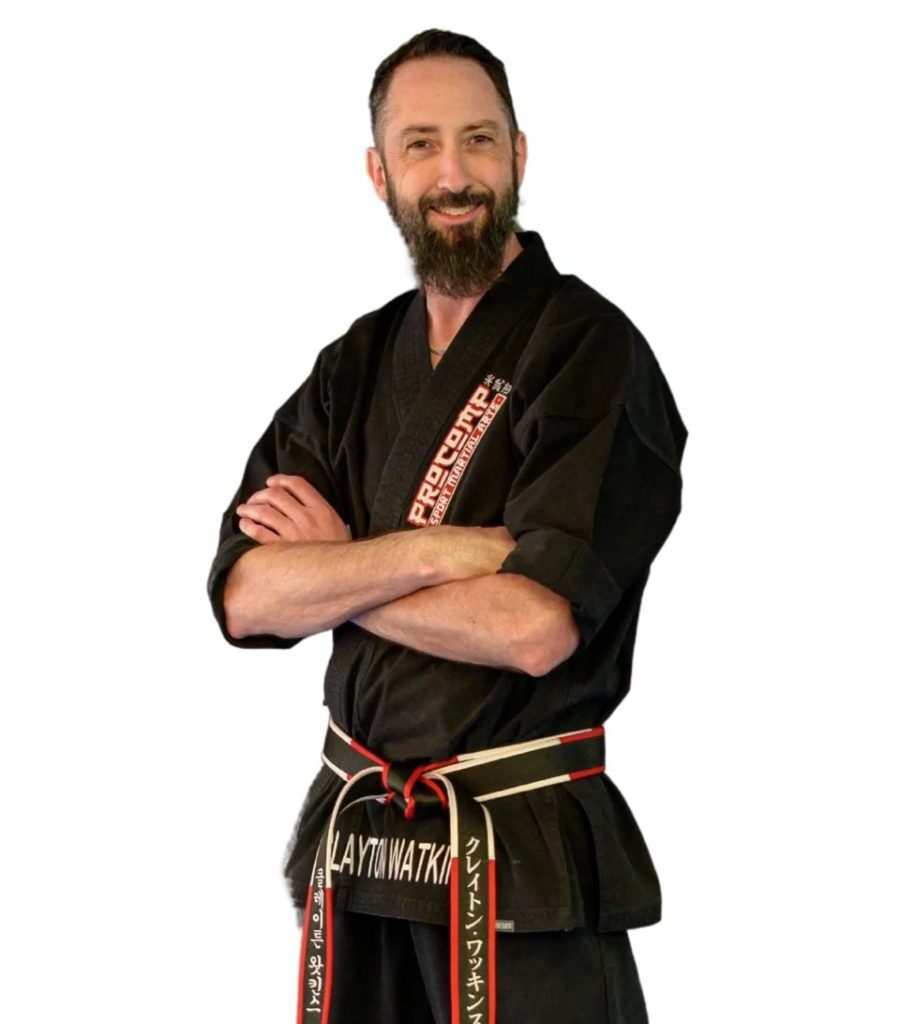
Clayton Watkins
Yearlong coaching, weekly Zoom sessions and national team practices helped prepare American athletes for a winning performance at the 2026 ICO World Cup.
THONON-LES-BAINS, France — A year of preparation culminated in an international triumph for Master Clayton Watkins and his fellow Team USA coaches as the American delegation dominated the 2026 ICO World Cup, finishing atop the overall medal standings and capturing 322 gold medals and world titles.
Held October 14–18 in Thonon-les-Bains, France, the competition brought together approximately 1,200 athletes representing 33 countries. Team USA fielded roughly 280 competitors from nearly all 50 states, uniting martial artists from across the country for a commanding American performance.
Watkins, Team USA’s Head Korean Martial Arts Coach, spent the year leading up to the event working with athletes preparing for the Korean martial arts divisions. His involvement extended far beyond tournament-day coaching, combining regular instruction, remote training and national team practices to help competitors prepare for the international stage.
A sixth-degree black belt, master instructor and co-owner of ProComp Sport Martial Arts, Watkins brought experience as an instructor, competitor and coach to the assignment. His work focused on helping athletes translate their technical skills into consistent, confident performances under competitive pressure.
Throughout the year, Watkins held weekly Zoom sessions with athletes from around the country. Those meetings provided an ongoing connection between the national coach and competitors training in different communities, allowing him to offer feedback, address questions and guide their preparation as the World Cup approached.
The weekly sessions gave athletes regular access to coaching despite the distances separating them. Rather than limiting national team preparation to occasional gatherings, Watkins maintained a consistent coaching presence throughout the year, helping competitors stay connected to their training goals and to the larger American team.
He also led in-person team practices in Los Angeles and Chicago. Those gatherings provided opportunities to work directly with competitors, refine technical details and bring together athletes who would later stand alongside one another representing the United States.
Together, the weekly online sessions and national practices created continuity in the team’s preparation.
Athletes could work on corrections at home, receive additional guidance and build on that progress during in person training.
Working with competitors from across the country also called for adaptability. Each athlete brought a different training background, individual strengths and competition experience. Watkins’ role required clear communication and careful observation while building on the foundation established by the athletes and their home instructors.
That sustained approach highlights an important part of his coaching expertise: the ability to break down demanding skills, communicate useful corrections and help students apply those adjustments over time. Preparing athletes for international competition requires technical knowledge alongside the patience and consistency to guide their development through months of work.
When competition began in France, the emphasis shifted from preparation to execution. Watkins served alongside fellow American coaches, offering technical guidance and supporting athletes as they faced competitors from around the world.
Set along the shores of Lake Geneva, the ICO World Cup became the setting for a major American team achievement. Team USA’s 322 gold-medal finishes
contributed to its first-place position in the overall medal count, securing a dominant result for the delegation.
The success reflected a nationwide effort involving athletes, national coaches, home instructors, families and supporters. Watkins’ contribution centered on the Korean martial arts competitors he had worked with throughout the year, while the final medal standings represented the accomplishments of the entire American team.
For East Texas, his role brought a local connection to that international success. Watkins is co-owner of ProComp Sport Martial Arts, which serves students in Gilmer, Mineola and Tyler. His work with Team USA extends the reach of an organization rooted in those communities to athletes training across the United States.
At ProComp, the daily work of teaching emphasizes discipline, focus, perseverance and technical development. Those same principles carried into Watkins’ national team responsibilities, where consistent preparation and attention to detail helped athletes approach the demands of world-level competition.
For local students, having an instructor involved in national team coaching provides a tangible connection to opportunities beyond their home school. Watkins’ experience demonstrates how martial arts can open paths into competition, teaching and leadership while
connecting students with a broader international community.
The 2026 World Cup marks a significant achievement in Watkins’ coaching career. His road to France included a year of work with Korean martial arts competitors, weekly Zoom sessions connecting athletes nationwide, and team practices in Los Angeles and Chicago.
That preparation culminated in an American delegation united on the world stage—and a tournament that ended with Team USA leading the overall medal count and celebrating 322 world titles.