
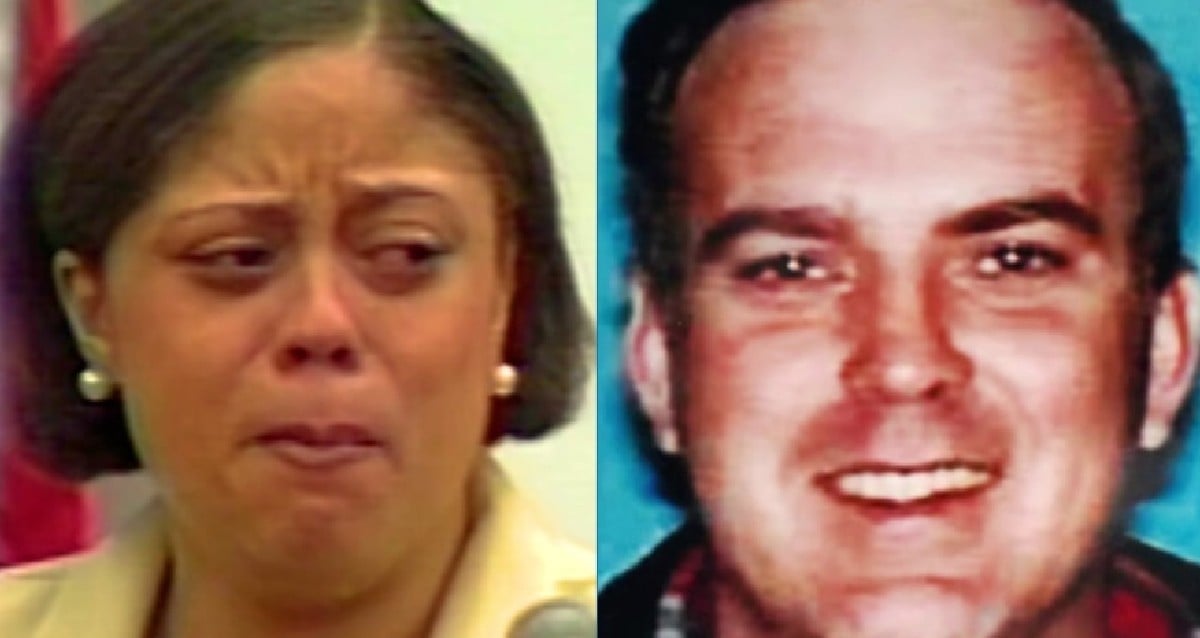
On October 26, 2001, Chante Mallard hit Gregory Glenn Biggs with her car in Fort Worth, Texas, then drove home and left Biggs to die slowly over the course of several hours.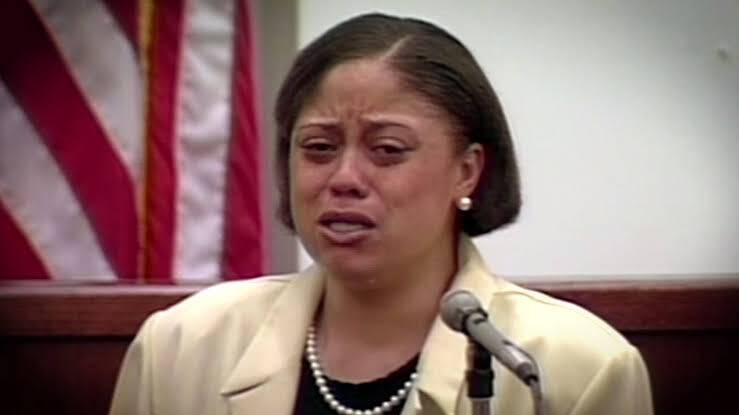
Court TV/FacebookChante Mallard, the woman who struck Gregory Glenn Biggs with her car in 2001.
Early in the morning on October 26, 2001, 25-year-old nursing assistant Chante Mallard was driving home from a night out in Fort Worth, Texas, when she hit an unhoused man with her car. His name was Gregory Glenn Biggs, and instead of calling 911 or attempting to help Biggs herself, Mallard drove home — and left Biggs in her garage to die.
Biggs, still alive, struggled to free himself before succumbing to his wounds several hours later. Mallard then enlisted some friends to dispose of his body. But after mentioning the incident at a party, she was arrested.
The case drew national media attention, and Mallard ultimately received a 50-year prison sentence for Biggs’ murder.
How Chante Mallard Hit Gregory Glenn Biggs With Her Car
On the night that she hit Gregory Glenn Biggs with her car, Chante Mallard went out to Joe’s Bamboo Club in Arlington, Texas, near Fort Worth. Mallard had two drinks, and allegedly took a number of drugs, including marijuana and ecstacy. When the bar closed at 2:00 a.m. on Oct. 26, 2001, Mallard got into her Chevrolet Cavalier and headed home.
At some point on her journey, Mallard hit Biggs, a 37-year-old unhoused man who had struggled with bipolar disorder and schizophrenia.
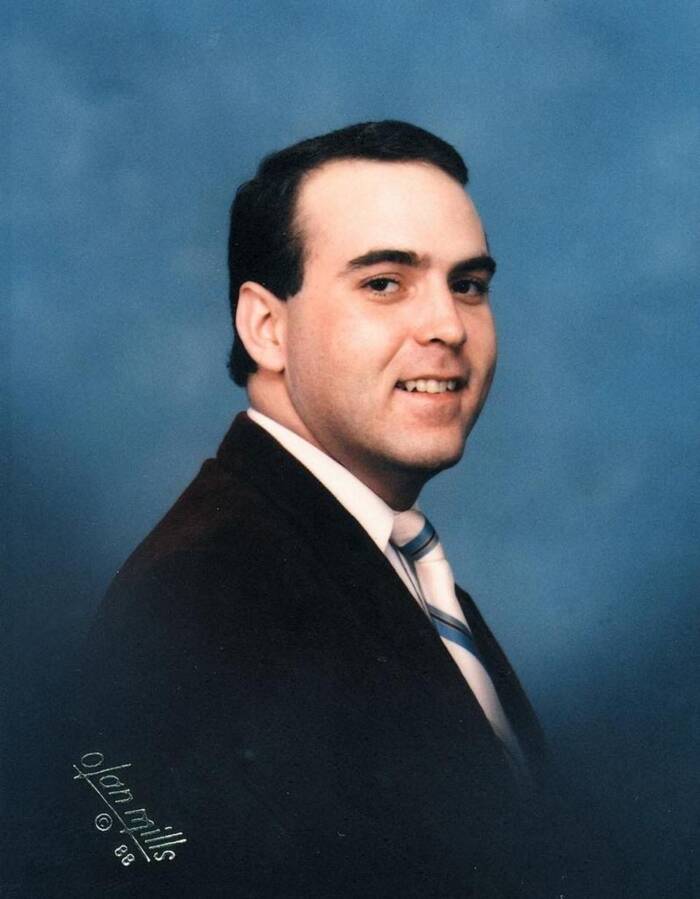
Find a GraveGregory Glenn Biggs, who suffered from mental health problems, had fallen on hard times.
“When I hit him there was a loud noise and all this glass started flying in the car. There was a lot of wind,” Mallard later testified, according to the Los Angeles Times. “I never saw his face. He was on the floor, underneath the dashboard on the passenger side. One leg was, like, somewhat out of the front glass, from the crease of the knee down. I didn’t know what to think. I was scared and asking God to tell me what to do.”
The force of the collision had lodged Biggs into Mallard’s windshield, but instead of calling for help, Mallard drove home with Biggs pinned in place. Though she was a nursing assistant, Mallard did not attempt to render medical aid. Instead, she left Biggs to die her garage.
How Chante Mallard Disposed Of Her Victim’s Body
Trapped in the windshield of Chante Mallard’s car, Gregory Glenn Biggs slowly died. Bloody fingerprints found inside the car suggested that he’d tried to free himself, and The New York Times reported that Biggs took one to two hours to die. If Mallard had called for help, however, Biggs likely could have been saved.
Instead, Mallard waited until Biggs died and then phoned her friend, Clete Jackson for help. Mallard, Jackson, and Jackson’s cousin Herbert Cleveland then worked together to dispose of the body. The three of them transported Biggs to nearby Cobb Park and dumped him there.
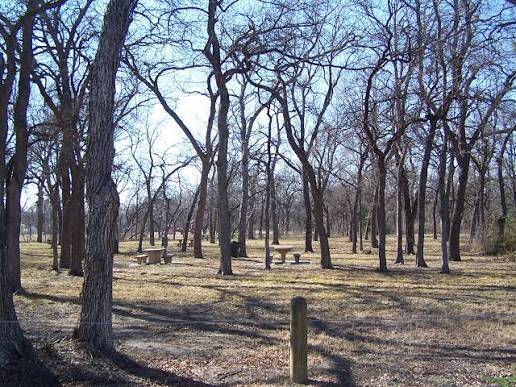
The City of Fort WorthCobb Park, where Chante Mallard and her accomplices dumped Gregory Glenn Biggs’ body.
Jackson later testified that he refused to burn Biggs’ body. Instead, he claimed he tried to put it in a conspicuous place where it could be found easily, “somewhere so his family can find him so they can bury him.”
Indeed, an off-duty firefighter soon came upon Biggs’ remains. At 9:30 a.m. on October 27, he called 911 to report finding a dead body in the park. Biggs’ body was covered in shards of glass, and Biggs’ leg was contorted with his left foot lying across his stomach. Investigators immediately suspected that Biggs had been the victim of a hit and run.
Soon afterward, the police were able to identify the body as Gregory Glenn Biggs, a 37-year-old unhoused man who lived in a shelter. Despite his struggles, Biggs had found sporadic work as a bricklayer, and remained a supportive figure in the life of his 17-year-old son, Brandon.
But the circumstances of his death were a mystery — until a few months later.
‘I Need To Be Punished’: Chante Mallard’s Trial And Sentencing
A few months after hitting Gregory Glenn Biggs with her car, Chante Mallard went to a party. While there, Mallard told a story about going to a club, drinking and taking ecstacy, and then hitting “some white guy” with her car. Mallard even admitted that she’d driven home with the man stuck in her windshield — and that he was still alive.
One of the partygoers called the police on Feb. 25, 2002 to report what Mallard had said. Investigators then went to Mallard’s home, where they were stunned to find her damaged car still in the garage.
“Here we are, four months later, and the car’s still there,” prosecutor Christy Jack told Oxygen, “and hair and blood is still in the headliner.”
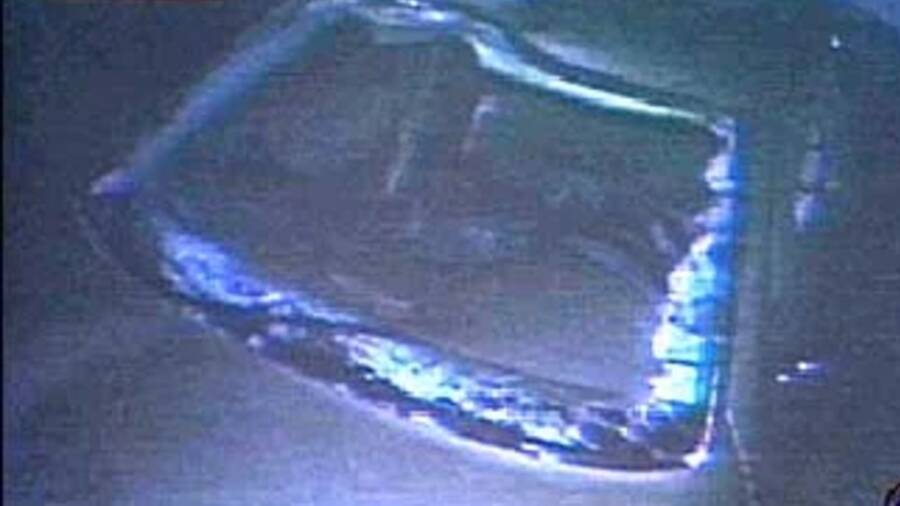
YouTubeChante Mallard’s windshield, as seen after Gregory Glenn Biggs’ death.
Mallard was arrested and her trial began on June 23, 2003. It largely focused on how Mallard could have likely saved Biggs’ life, if she had called for help instead of leaving him to die.
According to CNN, Tarrant County medical examiner Nizam Peerwani testified that Biggs had no “instantaneously fatal injuries. He did not have any spinal cord trauma, no brain trauma, no major cardiac lacerations or lacerations to the aorta or major blood vessels.”
Due to Biggs’ lack of “serious injuries,” Peerwani stated that he could have stayed alive for several hours. Fire Captain Jim Sowder also testified that every member of the Fort Worth Fire Department could have saved Biggs’ life.
In the end, the jury deliberated for a couple of hours before delivering their verdict. They found Chante Mallard guilty of murder and tampering with evidence. According to the Los Angeles Times, Mallard apologized and accepted responsibility before her sentencing, stating: “I have ruined the lives of other people. I have put people through pain. I am so sorry. I do feel like I need to be punished.”
She was ultimately sentenced to 50 years in prison for the murder charge, with an additional 10 years for the tampering with evidence charge. She will be eligible for parole in 2027.
Jackson, Mallard’s accomplice in dumping the body, pleaded guilty to tampering with evidence and was sentenced to 10 years in prison. His cousin, Cleveland, received nine years. After finishing his sentence, Jackson has been in and out of prison for firearms and drug-related charges.
The Aftermath Of Gregory Glenn Biggs’ Murder, From A Wrongful Death Lawsuit To ‘Stuck’
Meanwhile, Biggs’ son, Brandon, filed a wrongful death lawsuit for his father, which was settled out of court — but also extended his forgiveness to Mallard. However, he has expressed no interest in ever speaking to her.
As of 2017, Biggs told the Fort Worth Star-Telegram that he hadn’t spoken to Mallard — and doesn’t plan on it.
“What would she say?” he asked. “Do you talk about the weather? I don’t know, you know, so it’s not something I could foresee being fruitful.”
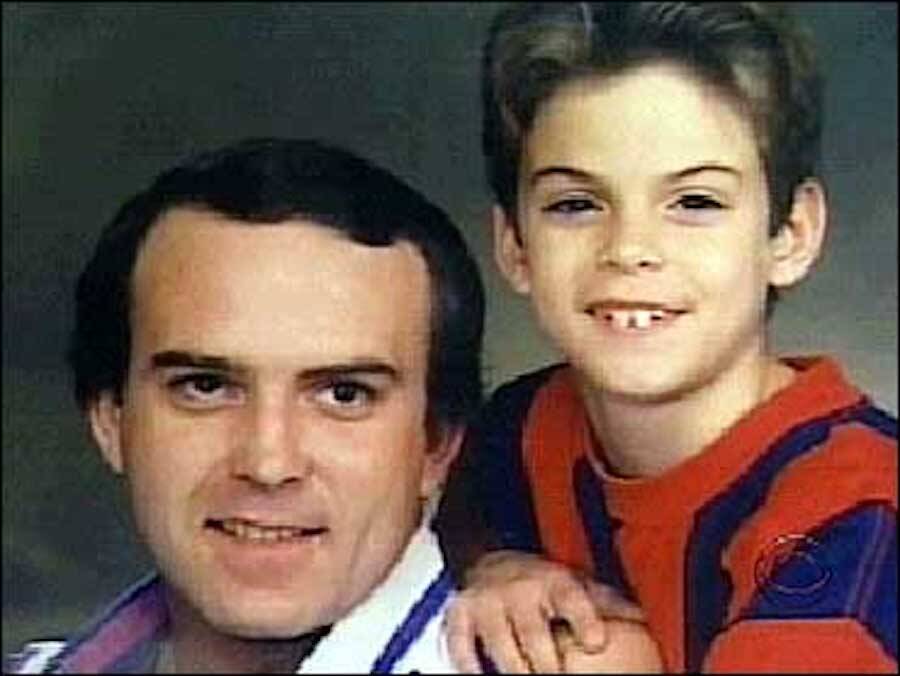
Find a GraveAfter Brandon Biggs wrote an essay about his father’s death, he was rewarded a $10,000 scholarship.
He also spoke out against the 2007 movie Stuck, a fictionalized version of his father’s murder, and even tried to sue to stop the film’s production. Biggs additionally refused to participate in a true crime documentary about his father’s death.
“As time goes by, this is new for people, and you know, I live it. I live it every day,” he said.
After reading the story of Chante Mallard’s windshield killing, discover the disturbing story of Melinda Loveless, the teen who orchestrated the killing of Shanda Sharer. Then, look through 28 chilling photos of crime scenes left by history’s most notorious serial killers.