
The screwworm is here.
Screwworms have been detected in a dog in El Paso County, and in livestock in Hudspeth County and Las Cruces, New Mexico.
These are the first, reported cases of the flesh-eating New World Screwworm in the Borderland.
Much of the eastern and southern portions of El Paso County and most of Hudspeth County have been designated as a quarantine zone (Infested Zone 25.A) by the Texas Animal Health Commission, restricting the movement of livestock, but not pets.

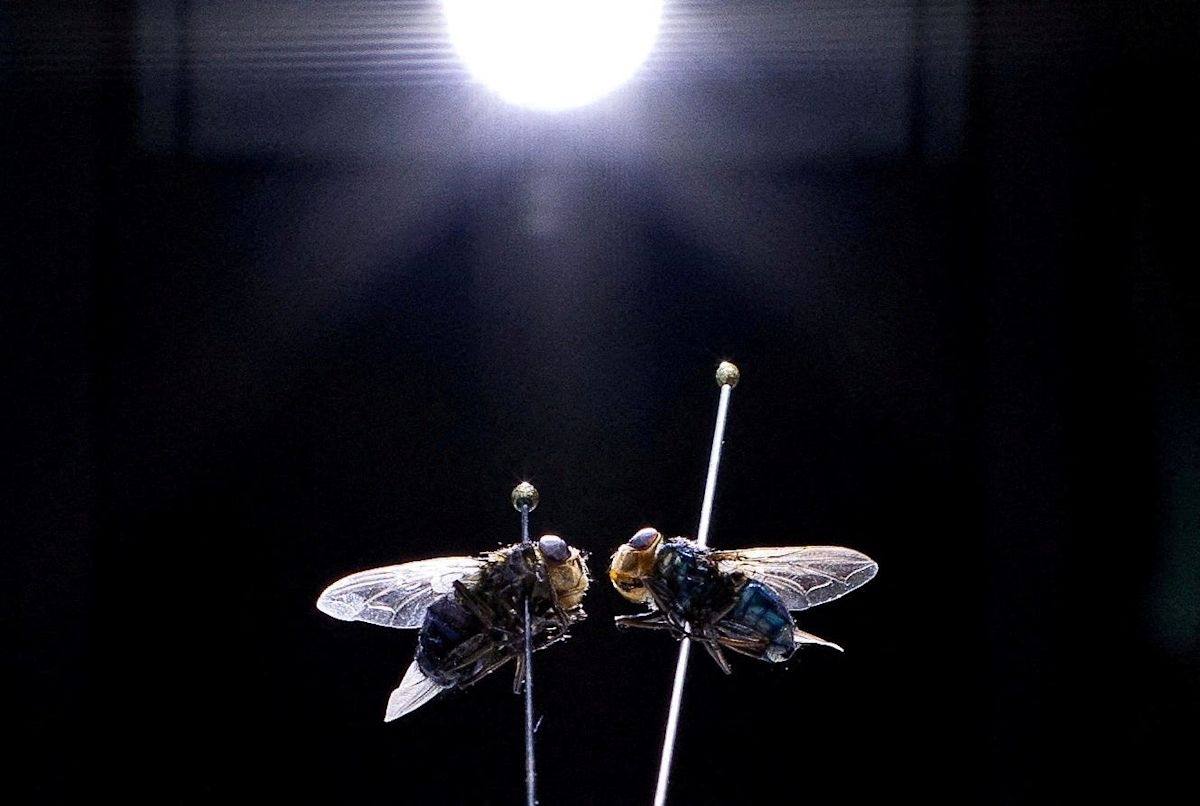
FILE PHOTO: New World screwworm and other botfly specimens are placed under a microscope as part of a demonstration at the Knipling-Bushland U.S. Livestock Insects Research Laboratory in Kerrville, Texas, U.S., July 14, 2026. REUTERS/Kaylee Greenlee/File Photo
The Las Cruces and Santa Teresa areas in New Mexico have been designated Infested Zones, also placing restrictions on the movement of livestock, but not pets.
In El Paso County, the screwworm was detected Oct. 27 in a dog in Socorro through a veternarian. The dog spent time outdoors, but was not around cattle, a Texas Animal Health Commission spokesperson said in an email.
“The New World Screwworm affects animals beyond livestock, so be sure to check on your pets and monitor them closely,” Texas state Rep. Mary Gonzalez said in a statement. “It is important that members of our community stay vigilant and go to their veterinarians if they believe their animal may have been impacted.”
The screwworm flies lay eggs in wounds or openings in living tissue. After hatching, the larvae feed on living tissue and can cause serious injury or death if left untreated. Infestations can affect livestock, wildlife, pets and, in rare cases, people, according to the New Mexico Department of Agriculture.

A view shows a ground release container with screwworm larvae about to hatch at a bio-factory as Mexico’s government reconditions a plant to become the new sterile screwworm fly facility, part of the country’s effort to eradicate the flesh-eating parasite that threatens its livestock industry and raises tensions with the United States, in Metapa de Dominguez, Mexico, October 17, 2025. REUTERS/Daniel Becerril
Symptoms in animals include, open wounds, larvae in wounds, foul odor, and lack of appetite, according to the Texas A&M University System screwworm website.
Animal health officials with the Texas, New Mexico, and United States governments have been taking steps to limit the spread of screwworms since the parasite reappeared in 2023 in Central America and spread to Mexico. The first animal case in the United States was reported in June 2026.
In Hudspeth County, screwworms were found Oct. 23 in two cows at separate, rural locations where other livestock are located, a Texas Animal Health Commission spokesperson said. No other animals were found to be affected during initial premises inspections.
In Dona Ana County, New Mexico, screwworms were detected Oct. 25 in a sheep on the New Mexico State University campus in Las Cruces, and in a cow at an unspecified, off-campus location, New Mexico Department of Agriculture officials reported in a news release.

Cattle are herded north of the border wall near San Jerónimo, Chihuahua, Mexico, on Thursday, Sept. 24, 2026, before entering the United States through the Santa Teresa, New Mexico, port of entry. The crossing marked the resumption of cattle exports through the region after a more than 16-month suspension tied to the New World screwworm outbreak.
“These latest cases are a stark reminder that this parasite remains a clear and present danger to Texas livestock, the livelihoods of our ranchers, and our national food security,” Texas Agriculture Commissioner Sid Miller said in a statement.
The U.S. Department of Agriculture reopened cattle crossing ports along the U.S.-Mexico border this summer and fall after being closed for more than a year due to the spread of the screwworm in Mexico. The two countries implemented a joint action plan to combat the screwworm.
The Santa Teresa cattle port, the largest cattle border crossing in North America, reopened Sept. 24.
Vic Kolenc may be reached at 915-546-6421; vkolenc@elpasotimes.com; @vickolenc on X, and @vkolenc.bsky.social on Bluesky.
This article originally appeared on El Paso Times: Dog, livestock bring screwworm to El Paso region, trigger quarantines