
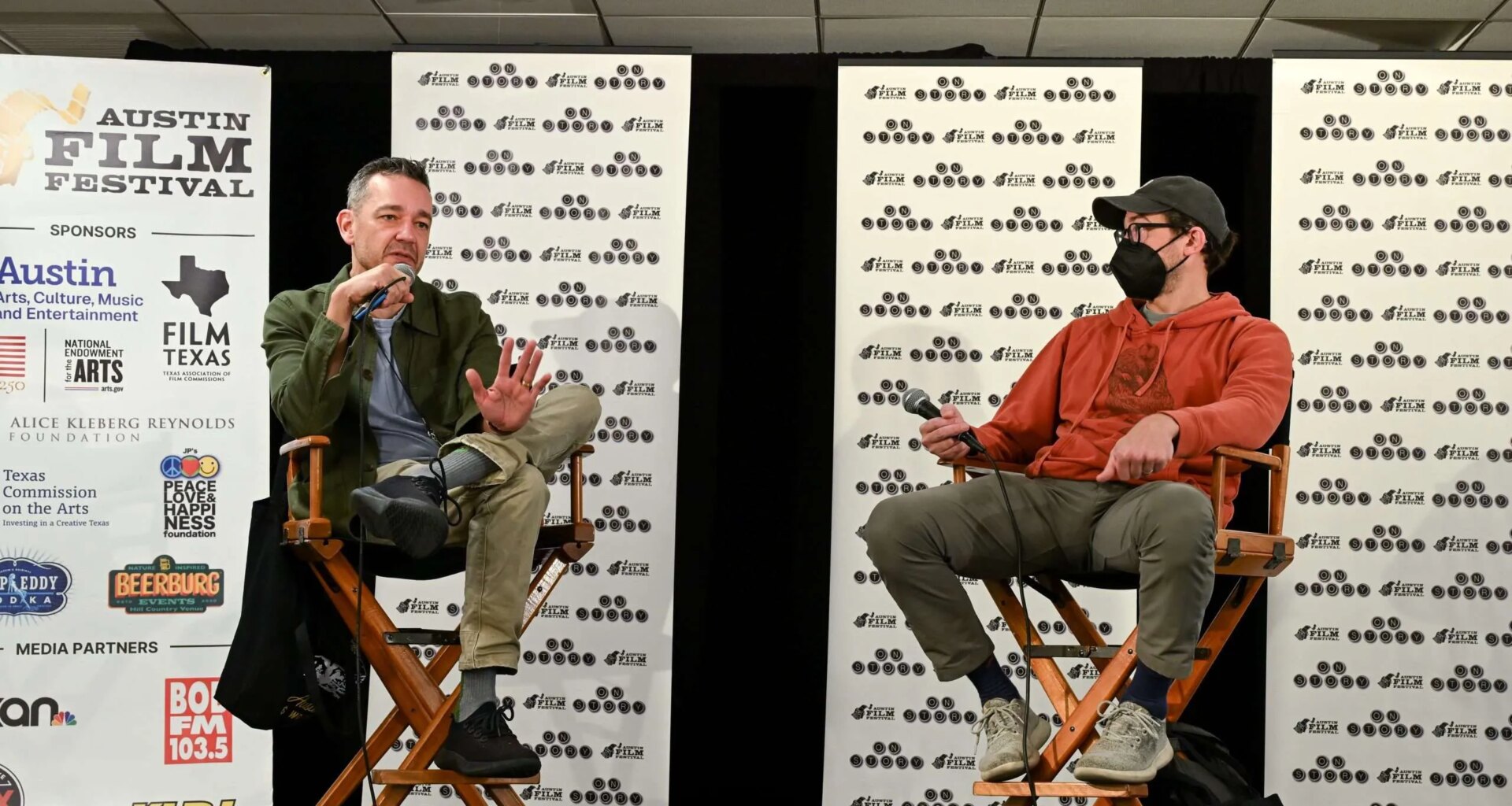
Austin Film Festival welcomed Pixar screenwriter Jesse Andrews for an inside look at the creative process behind Hoppers, the animated adventure that brings audiences into the animal kingdom through an imaginative technological twist. During the panel, “Inside the Making of Hoppers,” Andrews joined moderator Mike Jones, Pixar writer and director known for his work on Soul, Luca, Elio, and Dream Productions, to discuss the challenges, discoveries, and collaborative efforts involved in bringing the film to life.
The conversation explored Andrews’ journey to Pixar, his experience helping shape Luca, the development of Hoppers, and the unique storytelling process that allows Pixar filmmakers to continually rethink and refine their movies.
 Credit: Disney / PixarJesse Andrews’ Journey to Pixar
Before joining Pixar, Andrews established himself as an accomplished novelist and screenwriter. His first major screenwriting project was adapting his own bestselling novel, Me and Earl and the Dying Girl, into the 2015 film, which received both the Grand Jury Prize and Audience Award at the Sundance Film Festival.
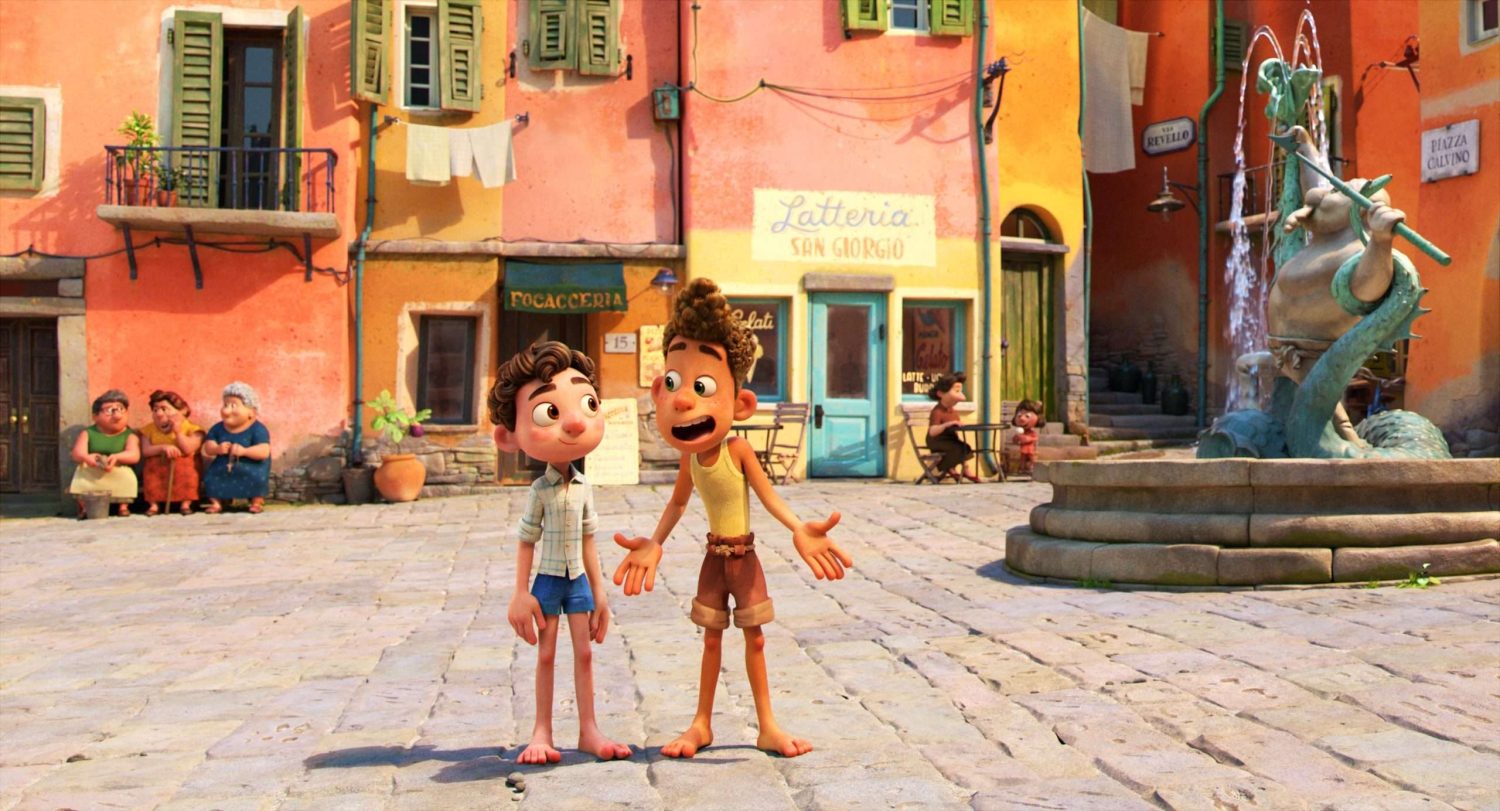
Andrews joined Pixar in 2017 after the studio responded to one of his screenplays. He was brought in to help develop Luca, which was already underway but needed a stronger emotional foundation. During his initial conversations with director Enrico Casarosa, Andrews emphasized the importance of creating a friendship audiences genuinely wanted to spend time with.
He explained that the relationship between Luca and Alberto needed to feel authentic and compelling, rather than simply placing two characters together and moving them through an adventure. Drawing from his own experiences with an unlikely high school friendship, Andrews helped reshape the dynamic between the two characters.
One of the most significant developments was the film’s emotional ending. Andrews and the creative team recognized that the friendship needed meaningful stakes, including the possibility that the characters would eventually have to go their separate ways. The resulting train station farewell became one of the film’s defining emotional moments, reinforcing the idea that some friendships can transform a person’s life even if they are not meant to last forever.
 Credit: Disney / PixarDeveloping the Story Behind Hoppers
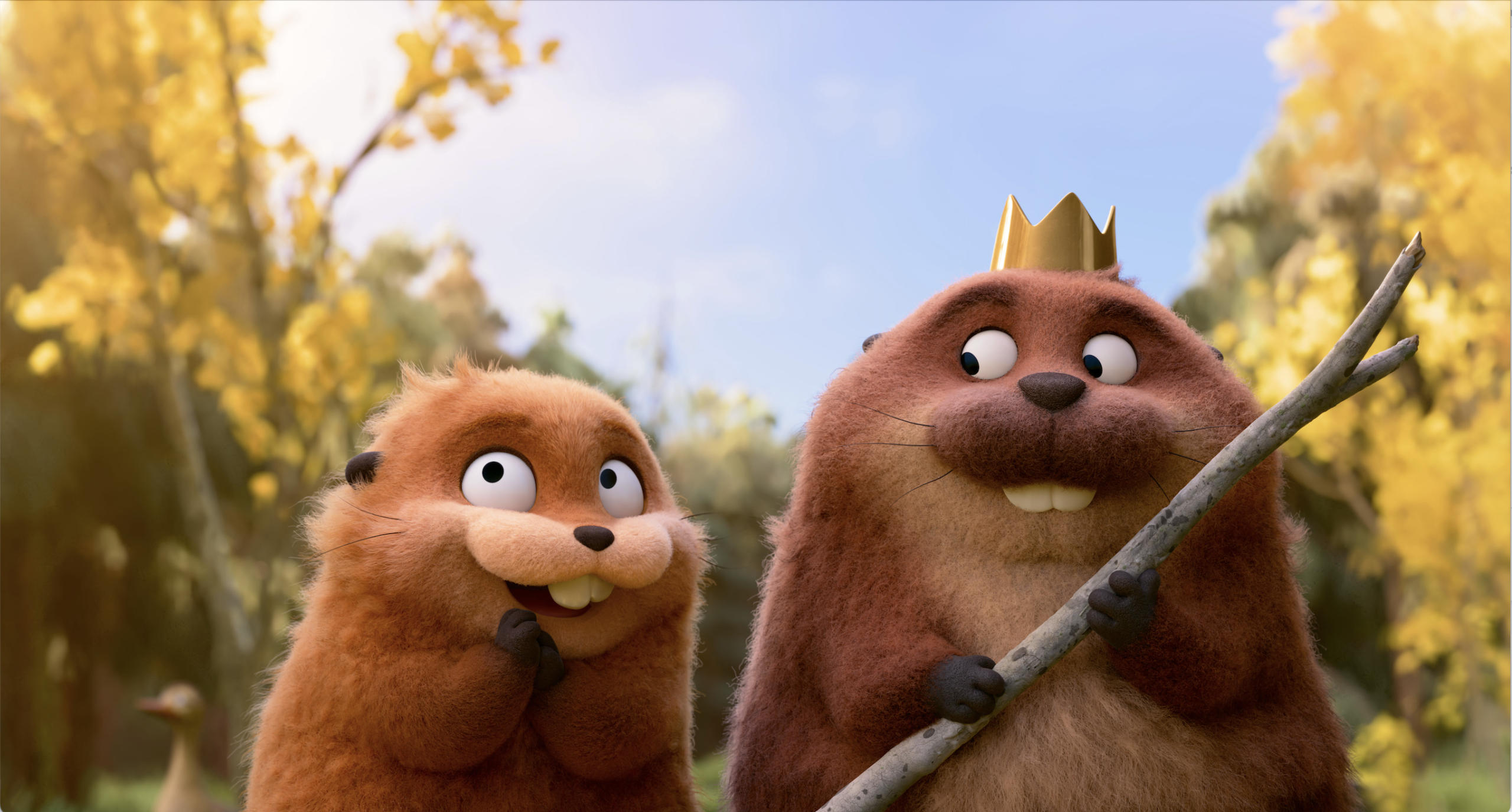
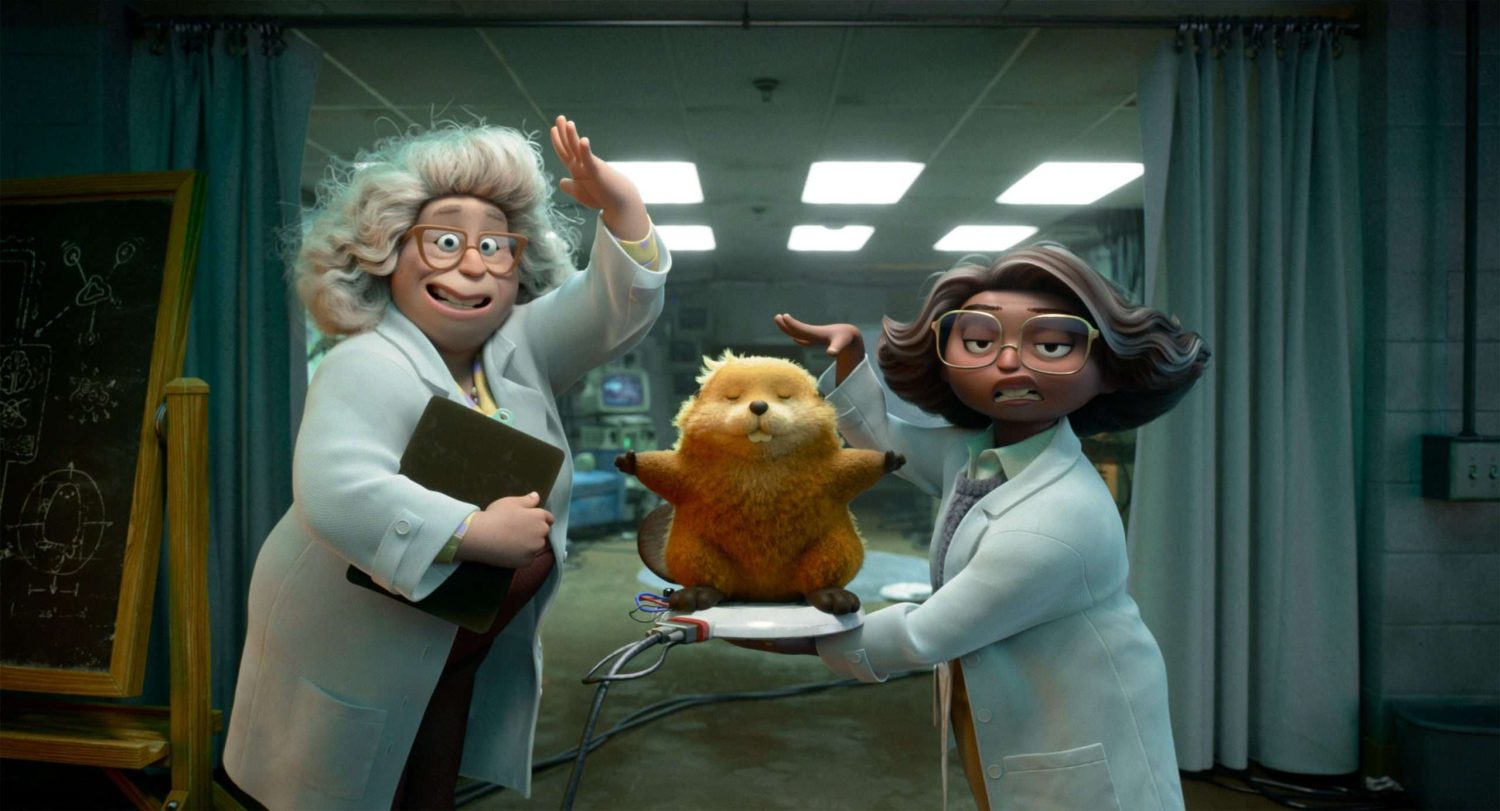
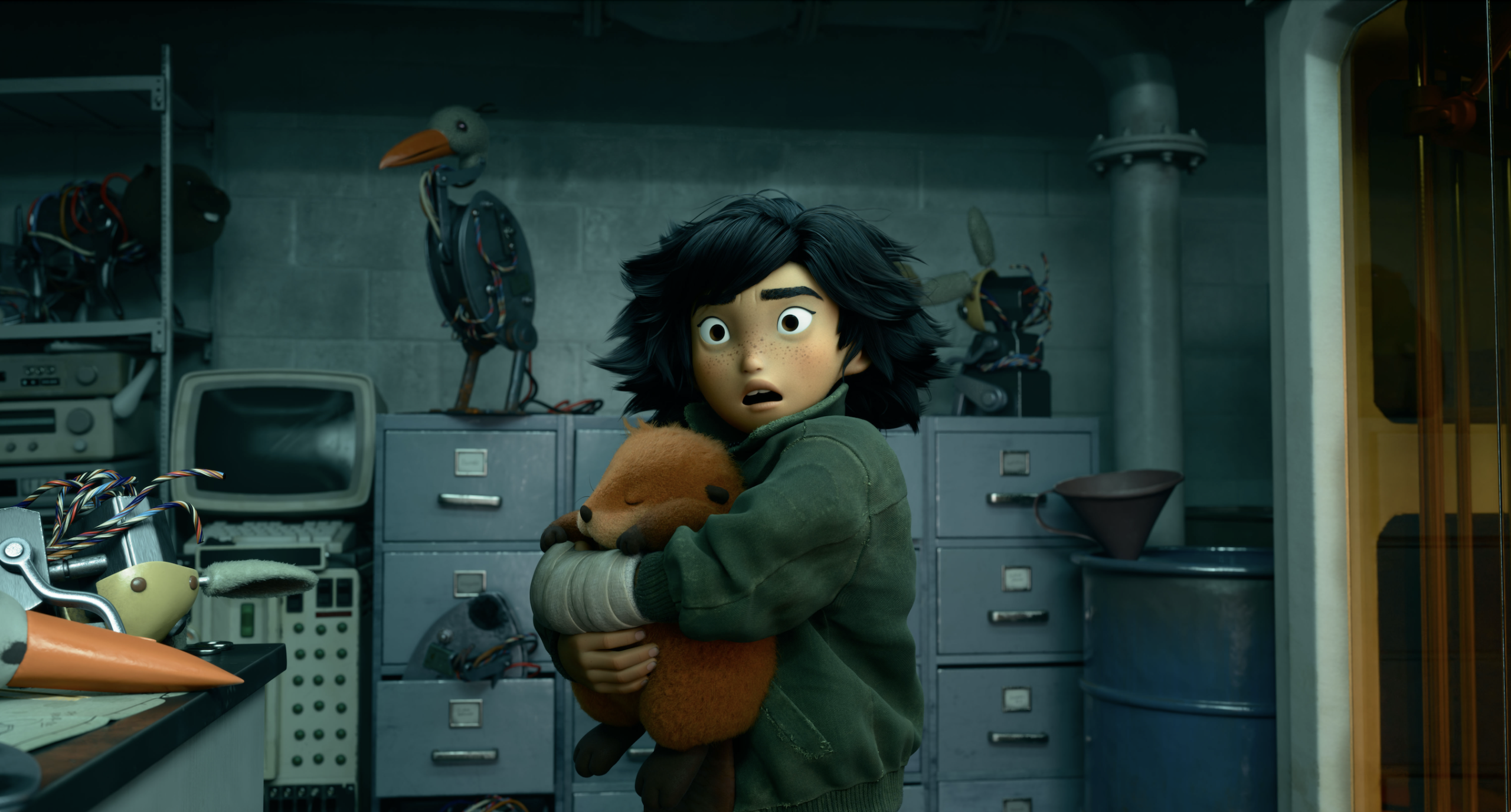
After completing Luca, Andrews eventually returned to Pixar to work on Hoppers, an original concept developed by director Daniel Chong. The film began with a fascinating premise: technology that allows humans to transfer their consciousness into robotic animal bodies and experience the world from an animal’s perspective.
Andrews was immediately attracted to the concept because of his childhood fascination with animals and his appreciation for comedy. However, he recognized that the story needed more than an entertaining premise. It also needed an emotional foundation that would give audiences a reason to care about the characters and their world.
During his initial discussions with Chong, Andrews suggested exploring the environmental themes of the story through grief and loss. He felt that a movie about animals, forests, and the natural world would feel incomplete if it ignored the reality of what humans are losing through environmental destruction.
To make those larger themes more personal, Andrews proposed connecting the story’s central environmental conflict to a meaningful relationship. This helped shape the emotional connection between Mabel and her grandmother, whose influence inspires Mabel’s love of nature.
The possibility of losing a specific piece of land became central to the story. Rather than asking audiences to care about environmental preservation in an abstract sense, the filmmakers created a personal connection between the characters and the natural environment they are trying to protect.
That emotional foundation allowed the movie to balance its bigger environmental themes with the humor, imaginative characters, and unpredictable animal adventures that make Hoppers entertaining.
 Credit: Disney / PixarExploring the Relationship Between Humans and Animals
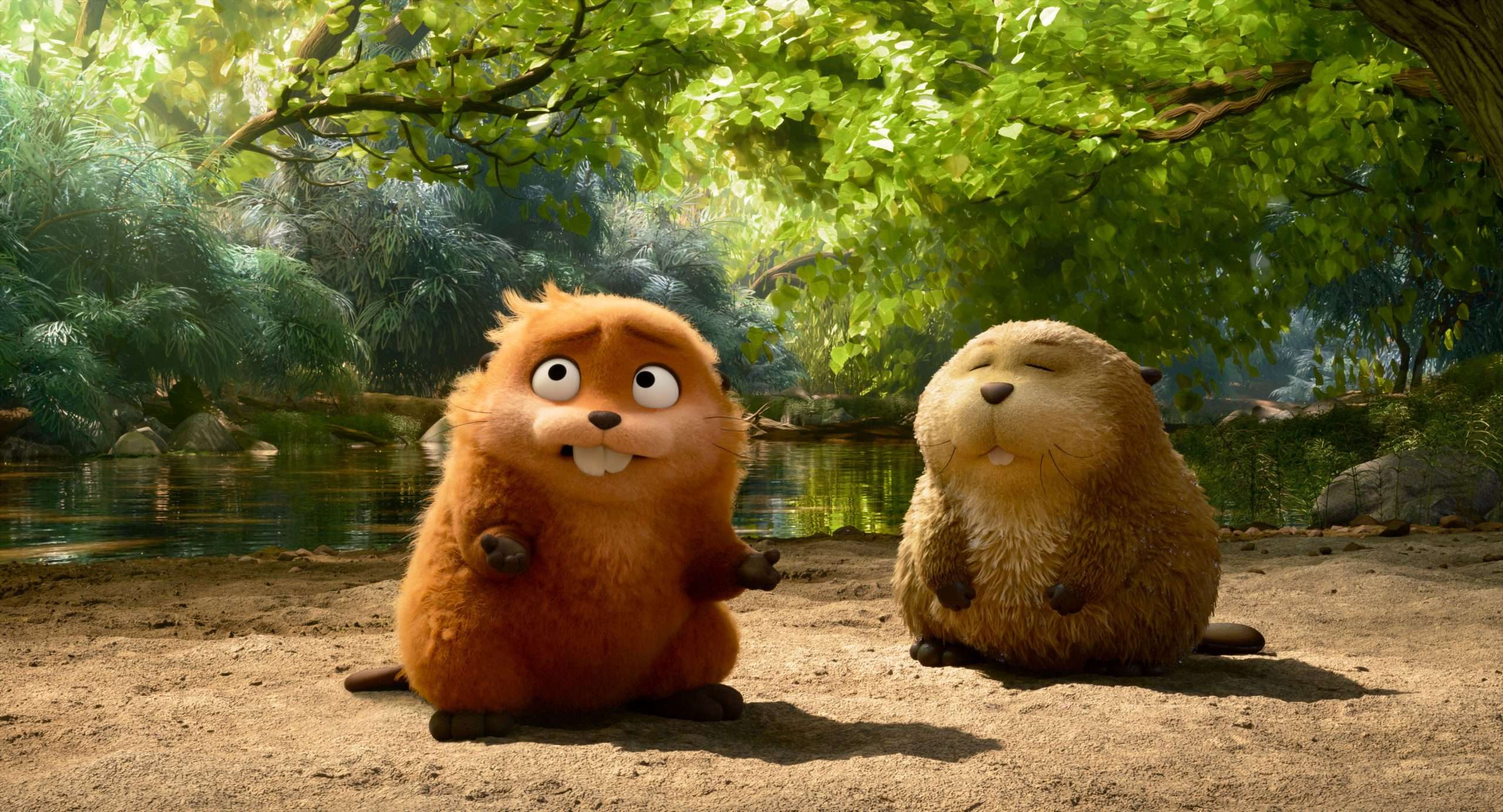
One of the most interesting aspects of Hoppers is the opportunity to see the world from an animal’s perspective. The film’s central technology allows Mabel to experience life among animals, creating opportunities for humor while also challenging the way humans think about their relationship with the natural world.
Andrews discussed how the concept encouraged the creative team to consider how animals might perceive humans. Rather than viewing themselves as fundamentally different from other creatures, humans could be seen as simply another type of animal behaving in unusual ways.
This perspective became an important part of the film’s larger message. Humans often separate themselves from the natural world, but the filmmakers wanted to explore the idea that people and animals are connected and that the future of one is tied to the future of the other.
Jones also highlighted how the film’s conclusion brings these ideas together. As the threat of a fire puts both the forest and the nearby town in danger, the story demonstrates that the human and animal worlds are not as separate as people might believe.
 Credit: Disney / PixarThe Collaborative Storytelling Process at Pixar
Throughout the panel, Andrews and Jones offered insight into Pixar’s distinctive approach to filmmaking, particularly its emphasis on collaboration and constant revision.
A central part of the studio’s process is its use of story reels. Rather than relying entirely on a completed screenplay, filmmakers break the story into smaller sequences that are illustrated by story artists. These storyboards are assembled with temporary dialogue, music, and sound effects to create an early version of the movie that can be watched and evaluated.
Approximately every 12 weeks, the creative team screens the latest version and gathers feedback through Pixar’s well-known Brain Trust process. Directors, writers, and other experienced filmmakers come together to discuss what is working, what is missing, and what needs to change.
Andrews explained that this process can be challenging, particularly when a movie is already deep into production. However, he emphasized that Pixar’s willingness to revisit the fundamentals of a story is one of the reasons its films can continue to evolve.
 Courtesy of Austin Film FestivalThe Importance of Pixar’s Story Artists
Another major topic was the essential role of story artists in bringing Pixar films to life. Andrews spoke enthusiastically about working alongside the artists on Hoppers.
Story artists help translate written scenes into visual sequences, determining everything from character acting and camera angles to comedic timing and the progression of individual scenes. Their work allows filmmakers to see how a moment might play on screen long before it reaches the animation stage.
Andrews described the experience as highly collaborative, with the creative team frequently sharing ideas, making each other laugh, and rewriting scenes together. He noted that the story artists brought an especially strong sense of humor to Hoppers, helping shape many of the film’s funniest moments.
Jones also explained that some storyboard sequences are so effective that they make it almost entirely unchanged into the finished movie. One example discussed during the panel was a memorable shark sequence in Hoppers, which originated with story artist John Kim.
However, the panelists also acknowledged that much of the creative work never makes it into the final film. Countless jokes, scenes, and story ideas are developed, illustrated, reviewed, and ultimately removed to keep the movie focused.
Andrews pointed out the difficult balance involved in this process. A writer might spend an afternoon drafting a few pages, while a story artist could spend weeks illustrating those same scenes. Sometimes, after all that work, the team decides the sequence simply does not belong in the movie.
Despite the challenges, Andrews described the collaborative environment as one of the most rewarding parts of working at Pixar.
 Credit: Disney / PixarBringing Hoppers to Life Through Collaboration
The Austin Film Festival panel offered audiences a closer look at the creative thinking behind Pixar’s Hoppers and the many decisions that shape an animated feature film. From finding the emotional heart of a story to developing individual jokes and refining scenes through storyboards, Andrews highlighted how much experimentation and collaboration goes into the filmmaking process.
His discussion with Jones also demonstrated how an imaginative premise can become something more meaningful when it is grounded in relatable characters and emotional relationships. For Hoppers, that meant combining an entertaining animal adventure with a larger reflection on environmental responsibility and the connection between humans and nature.
The conversation provided a behind-the-scenes perspective on Pixar’s storytelling philosophy, showing that even the most imaginative animated worlds begin with the same essential ingredients: compelling characters, meaningful relationships, and a willingness to keep rewriting until the story works.