
 Equine virus outbreak in Texas
A viral outbreak that is hitting horses in Texas has canceled an upcoming rodeo event in Uvalde. The EHV-1 virus is highly contagious and has prompted a statewide alert from Texas Ag Commissioner Sid Miller.
TEXAS – A viral outbreak that is hitting horses in Texas has canceled an upcoming rodeo event in Uvalde.
The EHV-1 virus is highly contagious and has prompted a statewide alert from Texas Ag Commissioner Sid Miller.
Local perspective:
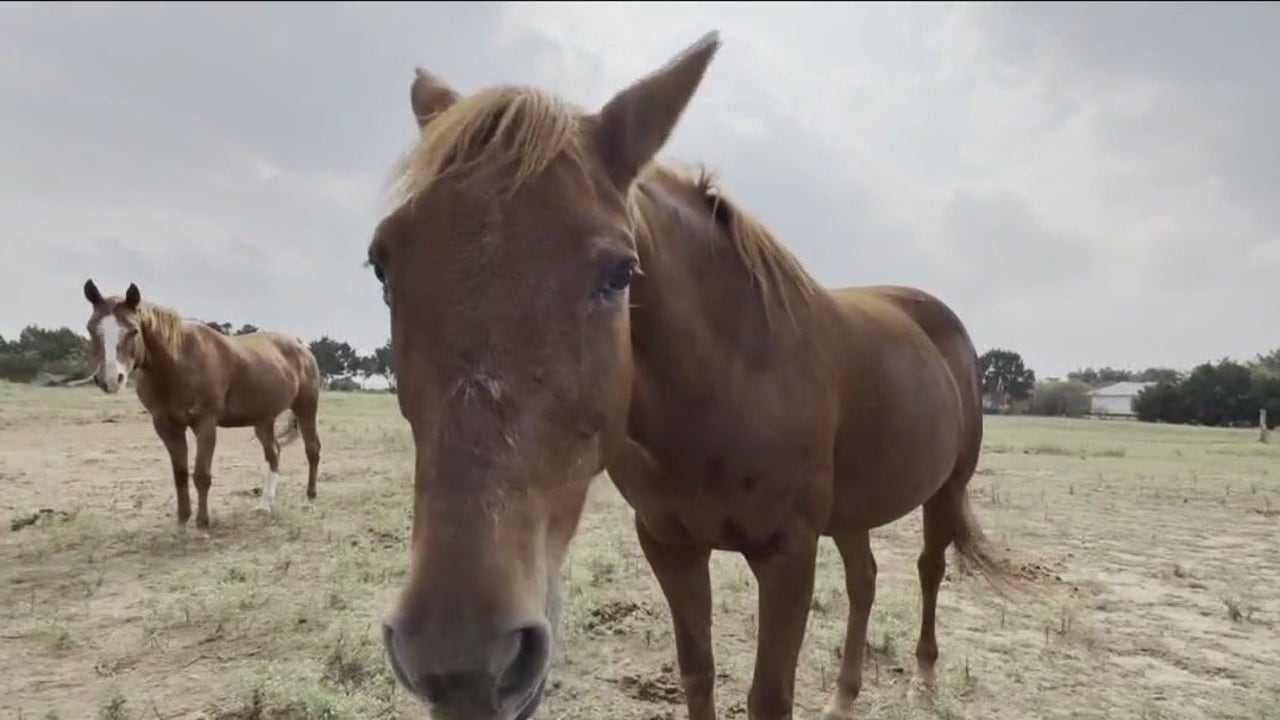
On the Double Spur Ranch between Leander and Liberty Hill, owner Steve Smith runs several heads of cattle on his 10 acres. He also has seven horses, which are available for public riding.
Lately, Smith has been focused on his cows because of the screw-worm threat. But now he must keep watch on his horses because of a viral outbreak.
“If I lost my herd, I’d be real pissed off. I would be very unhappy if I’d lost my herd, but I would be heartbroken if I even lost one horse,” said Smith.
Horse owners like Smith are being warned about the EHV-1 virus. It is highly contagious and typically transmitted by close contact. The virus can also be brought into stables, attached to tack gear, and from human clothing.
“I would say the largest shift that I’ll take is to put a little bit of a stop to people that experience and go and enjoy other barns and then one, and then coming here. Because we have a lot of cross-pollination in that way, where people might go volunteer at another barn and then come over here. We love those people, and we want them to hang out with us. However, this might not be the right time to go and pick up something and then bring it and spread it to other horses,” said Smith.
Sid Miller speaks on equine virus outbreak
Dig deeper:
Similar precautions are being taken by Texas Agriculture Commissioner Sid Miller.
“For now, just lock down, stay down. I’ve closed my farm, no horses going out, no horses coming in,” said Miller.
Miller issued a statewide alert on Wednesday. It advises horse owners to do health checks at least twice a day. The alert is especially for horses that were at a competition in Waco earlier this month. It’s believed that’s where the outbreak started.
“It’s a biosecurity hazard. This is what we’ve got here,” said Miller.
Miller noted how officials with the San Antonio rodeo announced the cancellation of a qualifier in Uvalde this week. Other shutdowns may be necessary.
“We’re really worried about the National Finals Rodeo and the National Cutting Horse Association Futurity in Fort Worth. Those are two of the largest equine events in our nation during the year,” said Miller.
The Winter Rodeo season ramps up in December. Miller hopes the outbreak will pass before the 2026 season gets going.
“The good thing is we’re kind of in the lull of rodeo season. We’re at the end of one year and haven’t really started the next. The next big rodeo starts off at the Fort Worth Livestock Show in San Antonio, Houston, and Austin, the winter rodeos we call those. So, we’ve got a little time before those kick up, but those are huge events,” said Miller.
Livestock clinics across Texas are also posting alerts on social media. It’s all part of an effort to contain the virus. The original source of the virus has not yet been identified, according to Miller.
“Normally, drinking out of the same water trough is the most common way to spread it. Having horses co-mingled, like in a competition or a barrel race in this case,” said Miller.
What’s next:
It’s unclear how long the outbreak will last. The Texas Animal Health Commission is trying to determine how many horses are infected, and that will determine how long this alert will run.
The virus does not infect humans or dogs, cats, and animals like cattle and pigs.
The Source: Information from interviews conducted by FOX 7 Austin’s Rudy Koski