
Lucio Vasquez/Houston Public Media
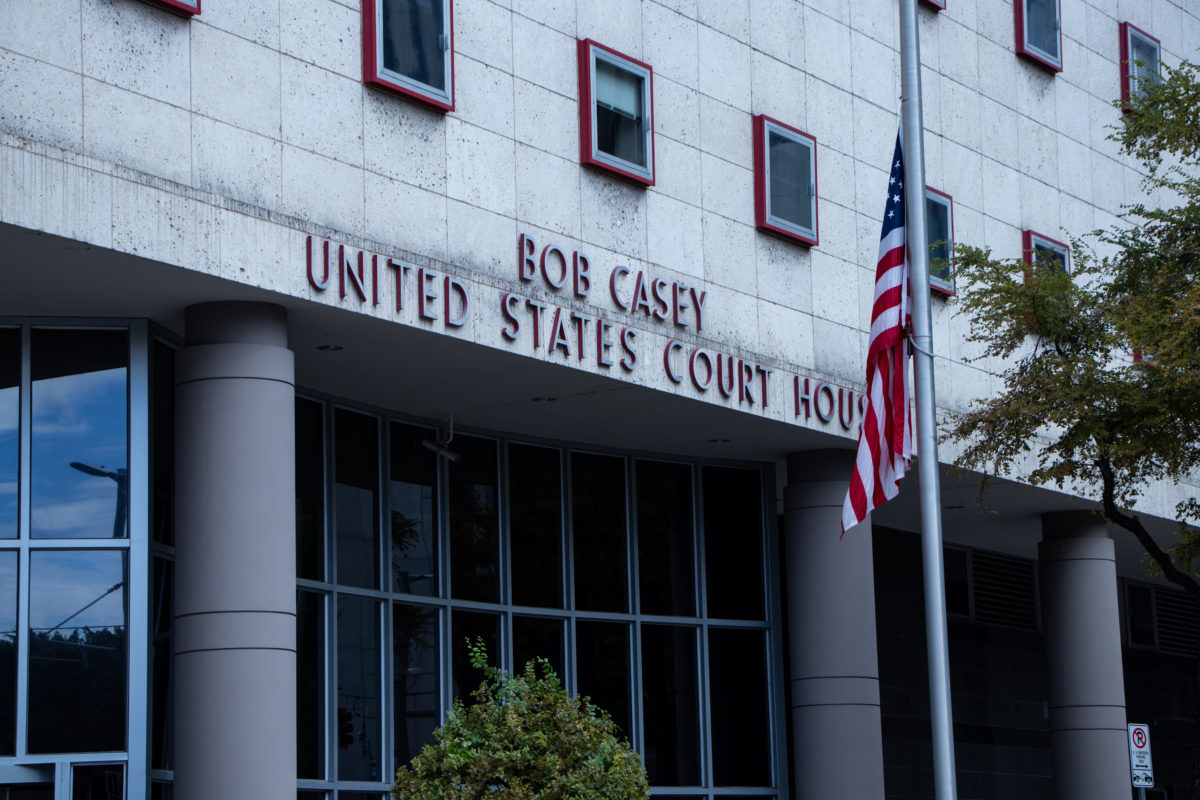
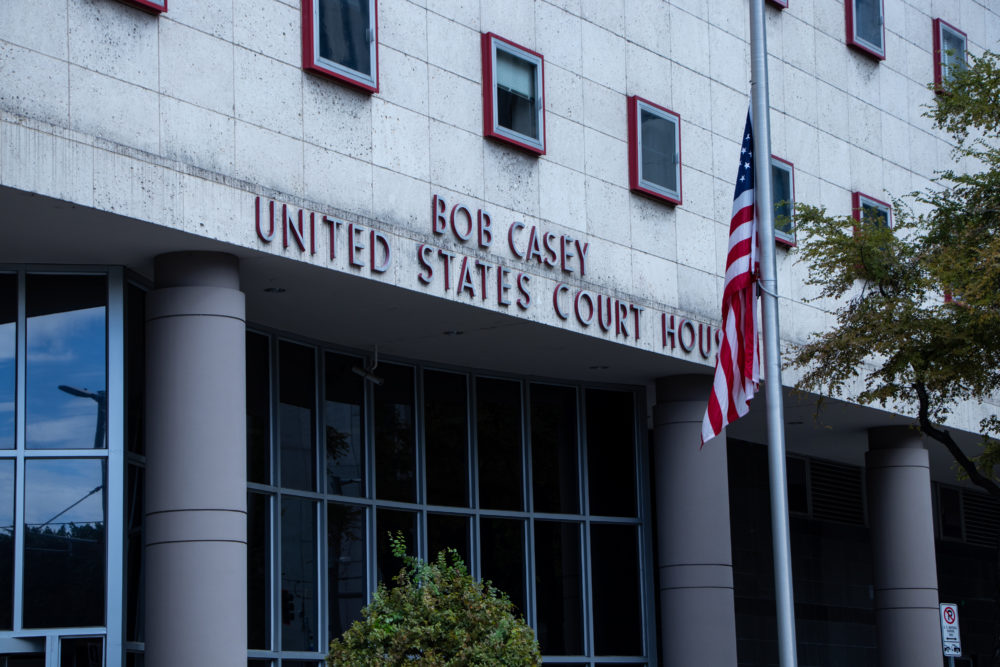
The Bob Casey United States Courthouse is located on Rusk Street in downtown Houston.
The U.S. District Court for the Southern District of Texas, which includes Houston, has five federal judicial vacancies. That’s more than any other judicial district in the country.
President Donald Trump, along with Sens. John Cornyn and Ted Cruz of Texas, are racing to fill those seats before the 2026 midterm elections.
Trump’s first nominee for the Southern District of Texas in his second term is Nicholas Ganjei, a longtime prosecutor and former chief counsel to Cruz who has served as the U.S attorney for the district for much of this year. Ganjei and two other judicial nominees, for courts in Alaska and Arkansas, had their Senate confirmation hearings Wednesday.
Sign up for the Hello, Houston! daily newsletter to get local reports like this delivered directly to your inbox.
“I think it’ll move pretty quickly for the three after the first of the year,” said University of Richmond law professor Carl Tobias, an expert on judicial selection. “It’s possible that they could get a committee vote on a Thursday three weeks from now, or right before the Senate goes out for the holidays at the end of December. And then all you would need is a cloture vote and a confirmation vote when they return in January. So, I think they could be confirmed by February, at the maybe latest.”
Cornyn and Cruz are working with an evaluation committee to vet candidates to fill judicial vacancies in Texas, which they will then send on to Trump for his consideration.
“My guess is that we will in the next year see, probably, recommendations from the senators for those other four vacancies,” Tobias said. “I think Trump will be receptive to the senators’ recommendations.”
Trump, Cornyn and Cruz have strong motivations to get their joint candidates through the Senate as quickly as possible. If they fail to do so before next November, and Republicans lose control of the Senate, those seats could remain vacant for considerably longer than they have already. Those vacancies are contributing to a court backlog, particularly of civil cases.
“Most of the vacancies have been open nearly a year, and two have been open close to three years,” Tobias said. “However, the caseloads are worse, because each [Southern District of Texas] judge has 600 cases, which is 50% higher than the national average.”