
Addison residents could decide DART’s fate when they head to the polls in May 2026
What began as isolated frustration with Dallas Area Rapid Transit has turned into a regional shift, and Addison may soon add its name to the list of cities moving toward a split. A Dec. 2 meeting will determine whether residents get a say in the matter.
Addison would join Farmers Branch, Highland Park, Irving and Plano, all of which plan to put similar withdrawal questions before voters this spring.
If the measure makes it to the ballot and voters approve, DART service in Addison would end the day after the May 2026 election.
Decades Of Contributions, Rising Frustrations
Addison has been part of DART since the agency’s formation in 1983, contributing a one-cent sales and use tax to help fund the system. Over the past four decades, the town has sent more than $400.5 million to DART. In 2025 alone, Addison contributed $17.6 million, more than the town spends annually on either Police or Fire services.
An independent EY analysis of FY23 underscored the imbalance many cities are now raising concerns over. That report found Addison contributed $16.3 million while receiving $9.5 million in direct service value. According to the study, of every $1 Addison contributes, it receives $.58 in return, and even that figure may be inflated due to bus-service allocation methods.
Plano’s numbers paint a similarly lopsided picture. The city generated $109 million in tax revenue for DART last year but saw only $44 million spent within its borders. Combined with news that DART paid out more than $800,000 in executive bonuses, the optics have drawn criticism from both local and state officials.
State Representative Matt Shaheen called the disparity unacceptable, describing it as an “extreme imbalance” that can no longer be ignored.
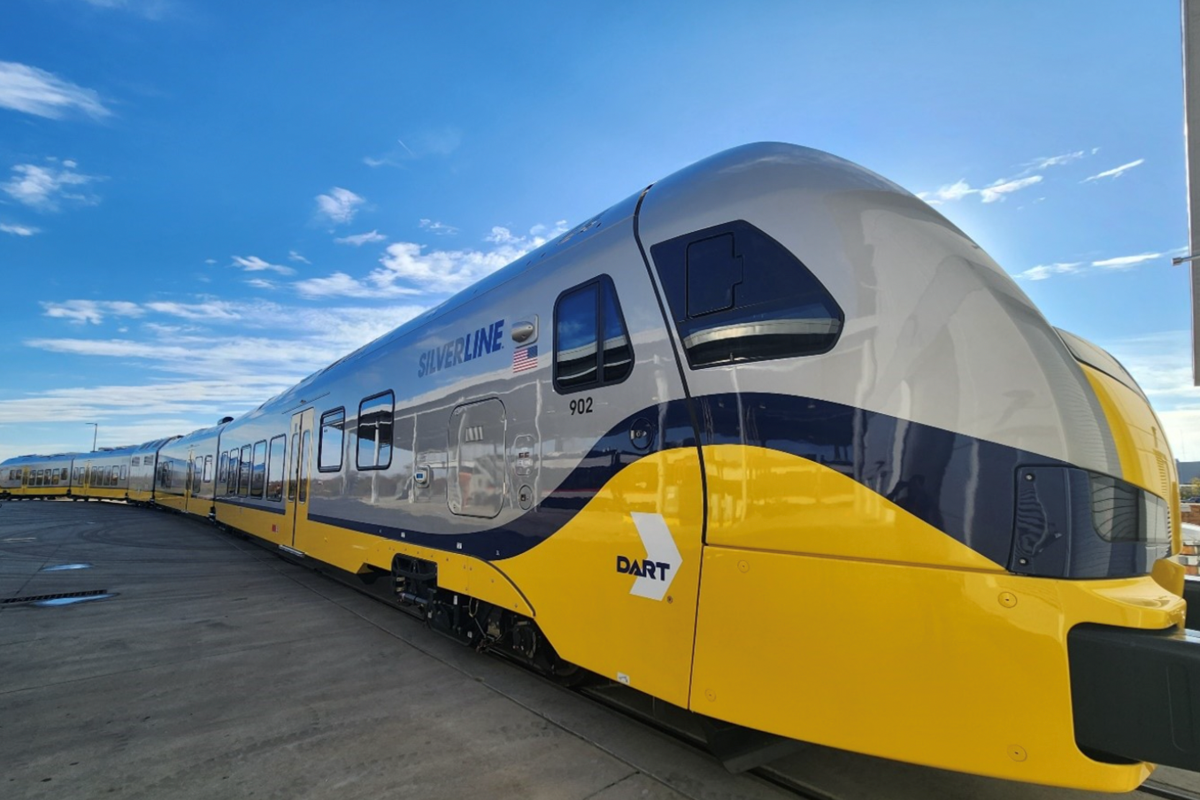
The scrutiny of the agency comes on the heels of DART launching its $2 billion Silver Line, a long-anticipated commuter rail connection linking DFW International Airport to the Shiloh Road Station in Plano. The 10-stop line is one of the agency’s most significant capital projects to date.
What An Exit Would Look Like
Under state law, member cities may withdraw from DART only once every six years. The year 2026 is the next eligible opportunity, prompting several communities to reassess the value of their long-standing memberships.
Following other cities’ decisions to move forward with withdrawal elections, Addison scheduled its Dec. 2 meeting to determine “the best path forward for our community.” In a statement, the town emphasized its preparedness should voters choose to leave.
“Should a withdrawal election be successful, the town is prepared to have alternate transit solutions in place,” officials said in a statement. “Town staff has begun to have initial discussions with providers and could explore these options further, as well as partnering with DART or other transit agencies for specific transit modes.”
Addison says it will continue sharing factual updates as the process advances and as residents prepare for a possible May 2026 vote.
Plano Charts Its Own Course
While Plano is one of the four cities pursuing a withdrawal election, it has also floated a potential compromise that would keep part of its relationship with DART intact. The proposal, sent to the agency earlier this month, asks DART to extend Plano’s service agreement through 2031.
Under the plan, Plano would retain rail and express bus service but phase out traditional bus routes, demand-response offerings and other non-rail services by January 1, 2029. In return, the city seeks a graduated refund of its sales-tax contribution — 25% in 2026, 35% in 2027, 45% in 2028 and 50% annually from 2029 through 2031.
The growing tension could prompt additional cities to craft their own proposals. If not, voters will be left to determine DART’s future themselves.
Don’t miss anything Local. Sign up for our free newsletter.