
 2025-2026 winter weather outlook for Central Texas
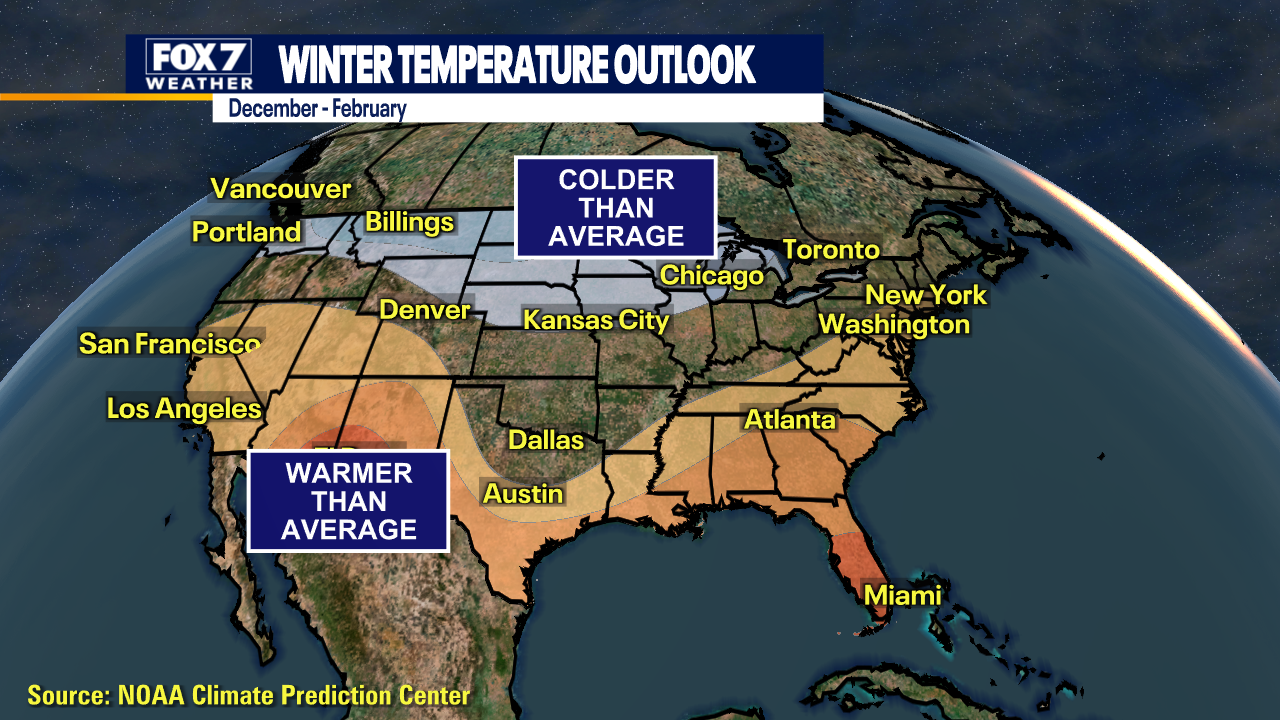
This winter, Central Texas is likely to see overall warmer and drier-than-normal conditions but that doesn’t rule out occasional cold snaps or volatile weather swings. Zack Shields has all the details.
AUSTIN, Texas – What’s the winter going to look like in Central Texas?
Meteorologist Zack Shields says for most of winter 2025–26, Central Texas is likely to experience a mild, dry season or a “soft winter,” rather than the kind of deep freeze or wintry mix some years bring.
Still, occasional dips of chilly air and surprise weather swings are possible, so Central Texans should stay weather-aware and keep an eye on changes to precipitation and moisture trends as the season unfolds.
Big picture view:
What’s Driving the Pattern: La Niña 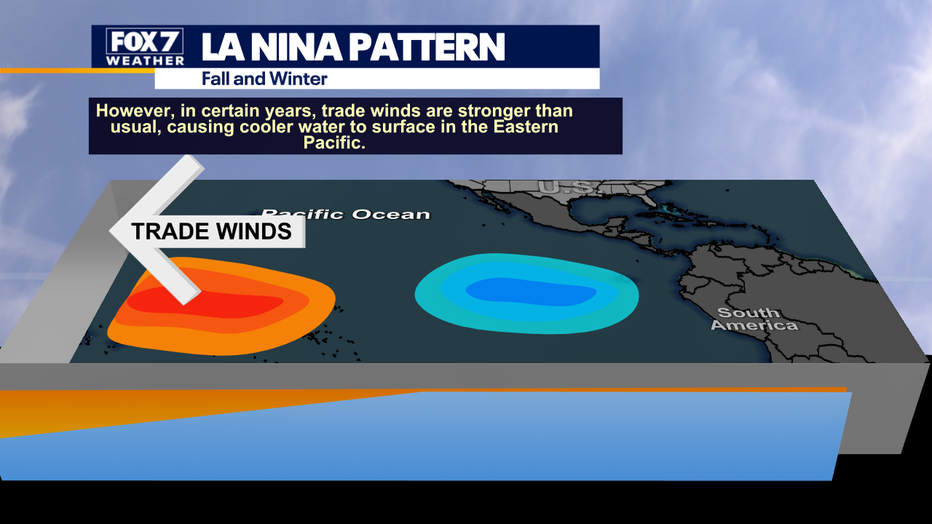
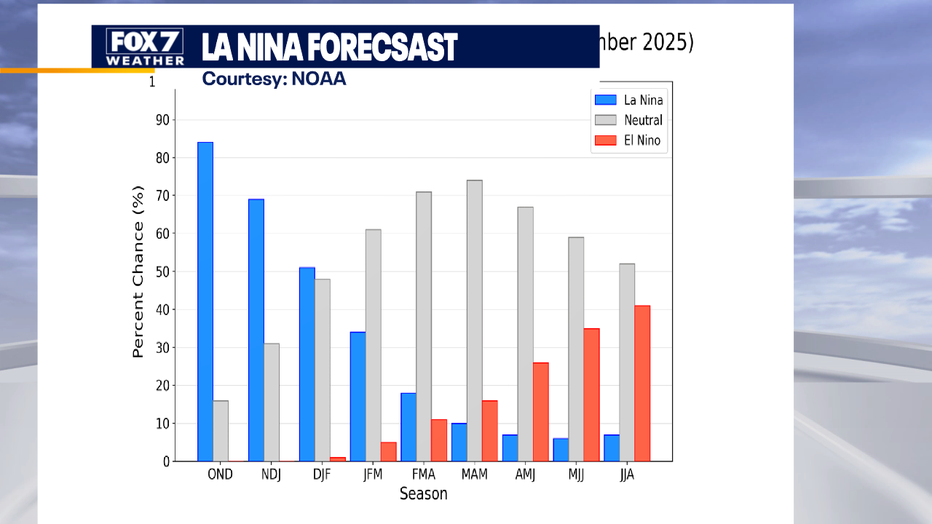
The climate pattern known as La Niña remains favored to persist into the winter, according to the Climate Prediction Center (CPC).
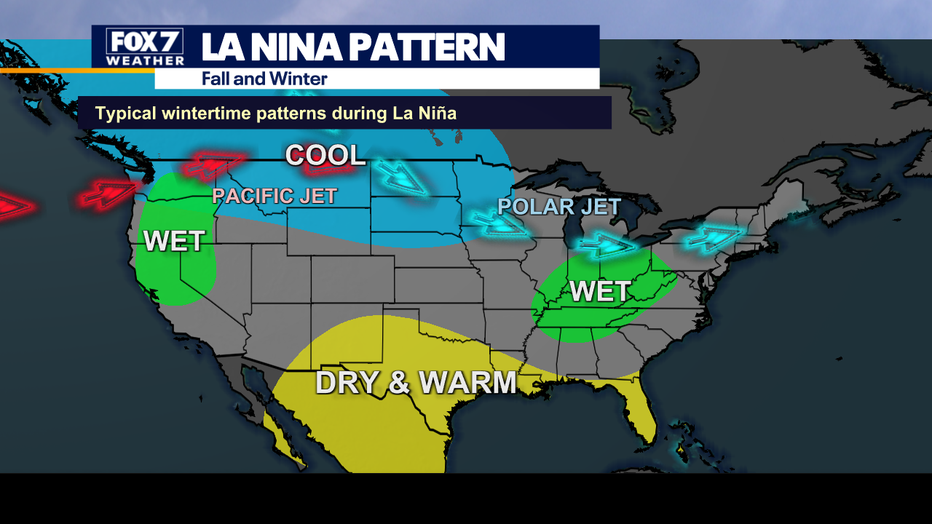
Under La Niña, the jet stream tends to shift north, which often leads to reduced precipitation and above-average temperatures across the southern U.S., including Texas.
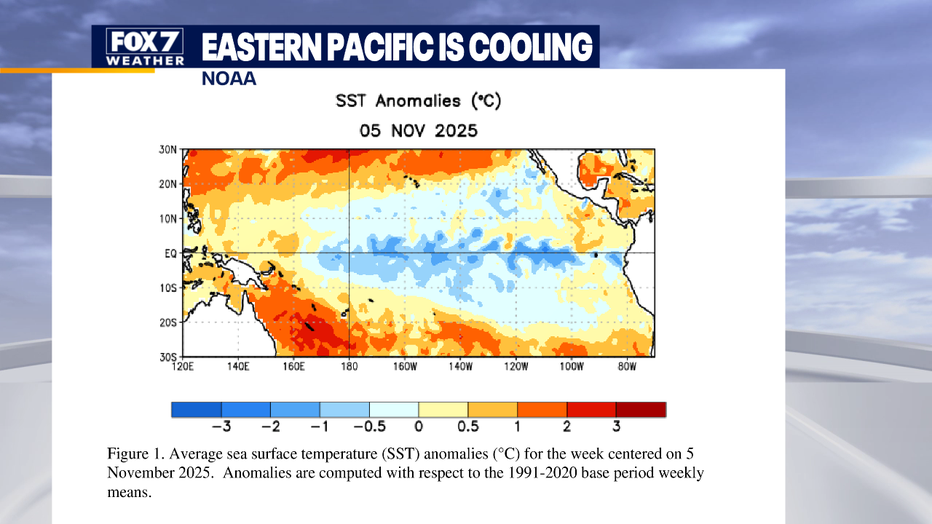
While a transition toward ENSO-neutral conditions is possible by late winter or early spring, most of the season will feel the lingering influence of La Niña, especially early on.
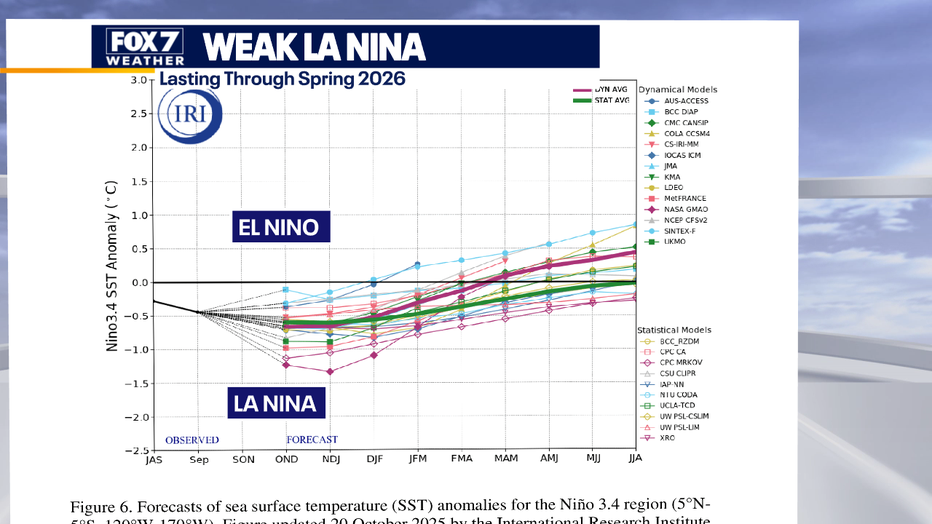
This will be the third La Niña winter in a row.
The last two have featured milder and drier than average weather.
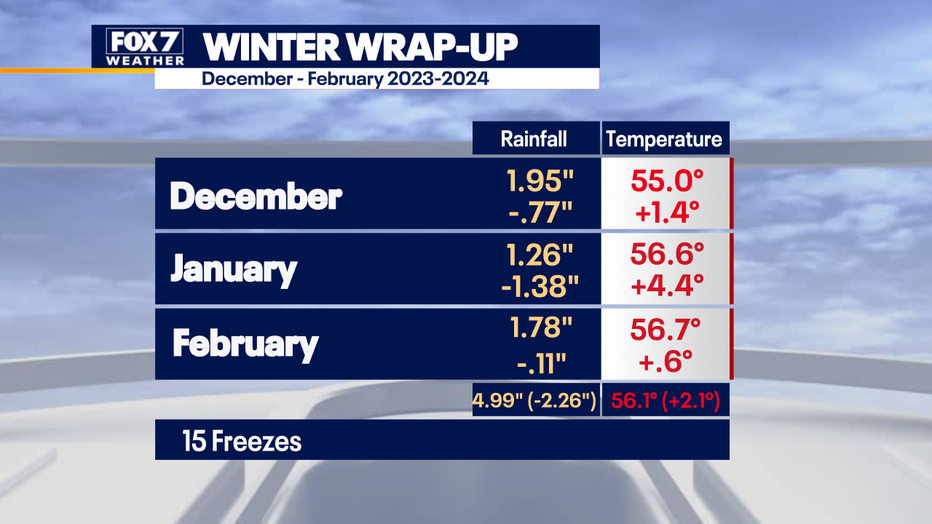
We did still see an above average number of freezes.
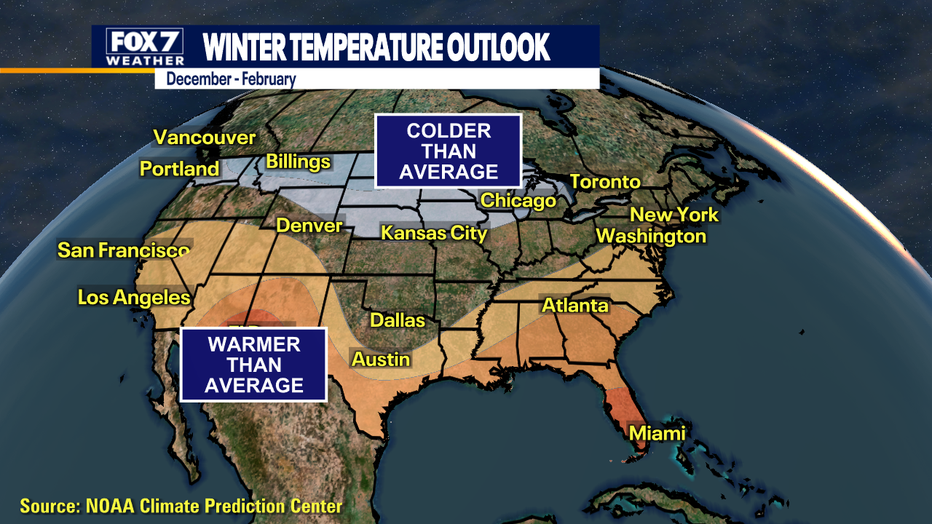
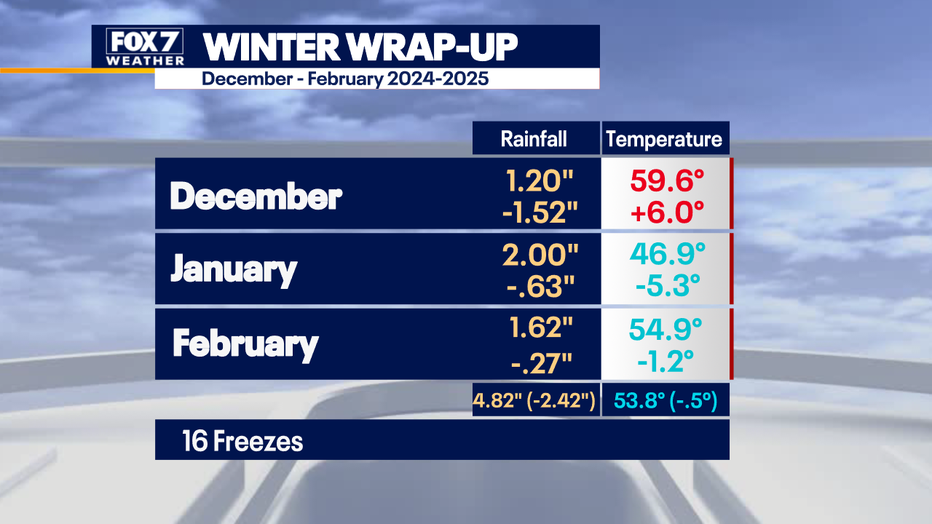 What Central Texas Could Expect Temperature Expect milder-than-average winter temps for much of the season.That said — climate patterns aren’t guarantees. Occasional cold snaps remain possible, especially if a strong front dips south. Even during previous La Niña winters, rare cold waves impacted the region.
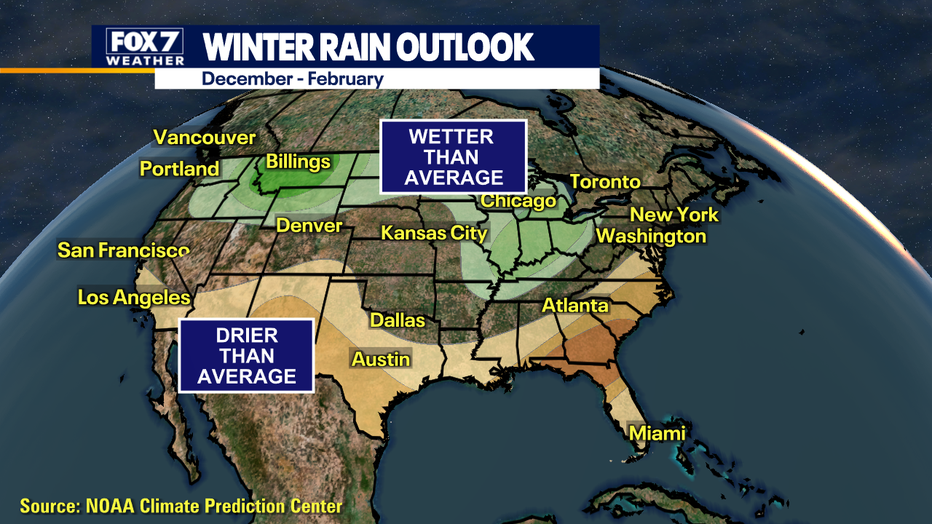
  Precipitation Precipitation is likely to be below normal, meaning drier-than-average winter conditions overall.Drier weather may raise concerns, especially given recent drought and moisture-deficit conditions across much of Texas.
  Notable Risk Factors If dryness persists, risks could increase for drought stress, possibly impacting water resources and vegetation — especially given that La Niña tends to suppress rainfall in the region.Even with a mild winter overall, isolated cold fronts remain possible, which might produce brief freezes or unusual weather events (e.g., light ice or rare wintery precipitation), though widespread snow or deep freezes remain unlikely under this forecast.
Why you should care:
What This Means for Residents & Viewers 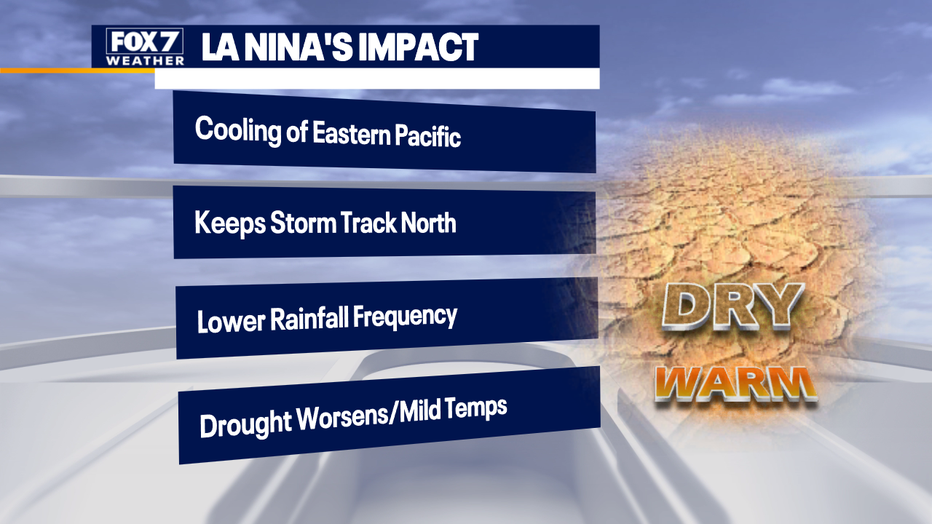 Lower demand for heating relative to a “normal” winter — but still be prepared for occasional cold snaps.Water conservation may remain important, especially if dryness continues through the winter and into spring.Landscaping, vegetation, and fire risk could all remain sensitive given the dry conditions.No need to expect significant winter storms, but that doesn’t guarantee none — residents should stay alert to weather alerts and occasional cold fronts. We usually experience an ice or light snow event once every 2.5 years and a big snow event over 1″ every 8 years. We are only 4 years removed from the devastating cold and snow storm of 2021.
What you can do:
Track your local forecast for the Austin area quickly with the free FOX 7 WAPP.
The design gives you radar, hourly, and 7-day weather information just by scrolling.
Our weather alerts will warn you early and help you stay safe.
The Source: Information from FOX 7 Austin meteorologist Zack Shields.