
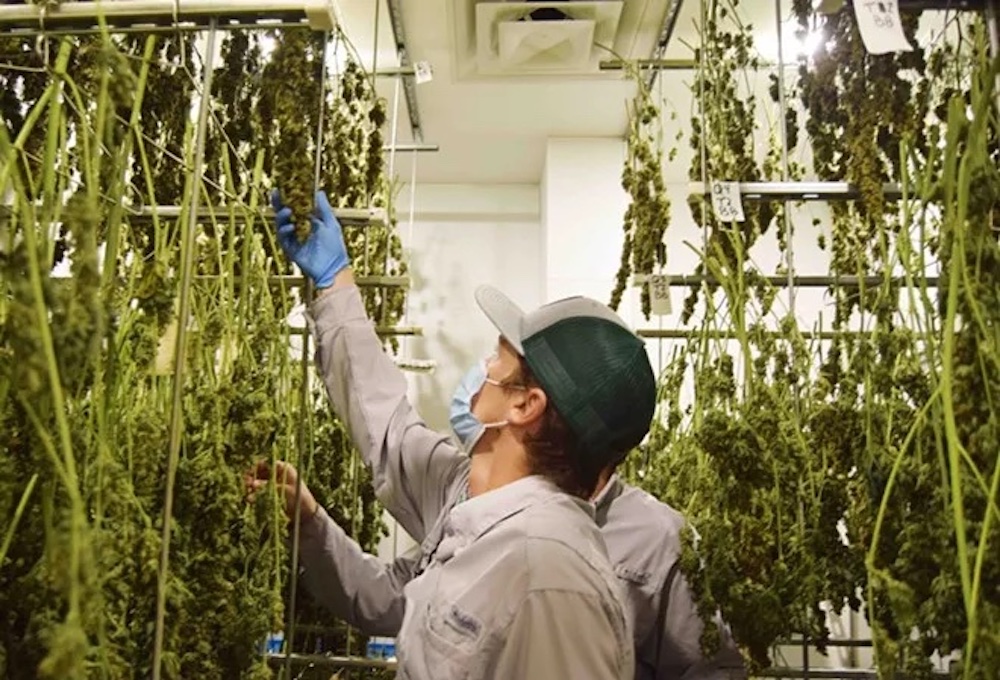
 Workers at Texas Original, one of two medical marijuana suppliers active in Texas examine harvested flower in the company’s growing facility. Credit: Courtesy Photo / Texas Original
As many as nine new suppliers may soon be active in the Texas Compassionate Use Program (TCUP), a development experts say is likely to bring more competition, lower prices and easier access to one of the nation’s most feeble medical THC programs.
The Texas Department of Public Safety, which administers TCUP, named the new providers Monday evening, potentially broadening the state’s number of approved suppliers of medical-grade THC from two to 11. Until now, there had just been three license holders, only two of which actively supply patients.
The new companies still must pass a final state evaluation before they can begin opening stores and supplying patients with prescriptions, according to DPS officials. The state will review the business’ disciplinary actions, financial records and litigation history before granting final approval.
The expansion of the 10-year-old TCUP was authorized under House Bill 46, which passed the Texas Legislature this summer. The measure called for DPS to approve nine more suppliers by Dec. 1 and provide three more licenses by April.
“This expansion is an important step toward broader patient access of medical cannabis across Texas,” Nico Richardson, CEO of Texas Original, one of the state’s two active suppliers said in an emailed statement.
In addition to awarding a dozen additional licenses, HB 4 expanded TCUP eligibility to include patients with chronic pain, traumatic brain injury, Crohn’s disease, irritable bowel syndrome and terminal illnesses. It also allows prescriptions for a wider variety of THC products, including vape devices, and lets doctors provide prescriptions for longer prescription times.
A provision in the bill also allows distributors to store cannabis products overnight at their stores. The previous rules barring overnight storage were considered a major roadblock to the program expanding outside of big cities such as Austin, Dallas, Houston and San Antonio.
“With these new licenses, the broader list of qualifying conditions and new treatment options allowed under HB 46, patients gain more choices — new formulations, consistent dosing and better delivery methods — so they get the care they need,” Richardson said. “As fellow Texans, we take seriously our responsibility to support our neighbors and ensure this program grows responsibly for everyone who relies on it.”
Looming hemp ban
Until the passage of HB 46, Texas’ medical cannabis program was largely viewed as the nation’s most paltry, attracting just 116,000 patients — many of whom have abandoned the program after first qualifying, according to industry experts.
Many have complained that TCUP’s lack of suppliers, dosage limitations and high prices made it easier for those who needed to THC for conditions ranging from cancer to PTSD to turn to the state’s booming recreational hemp industry.
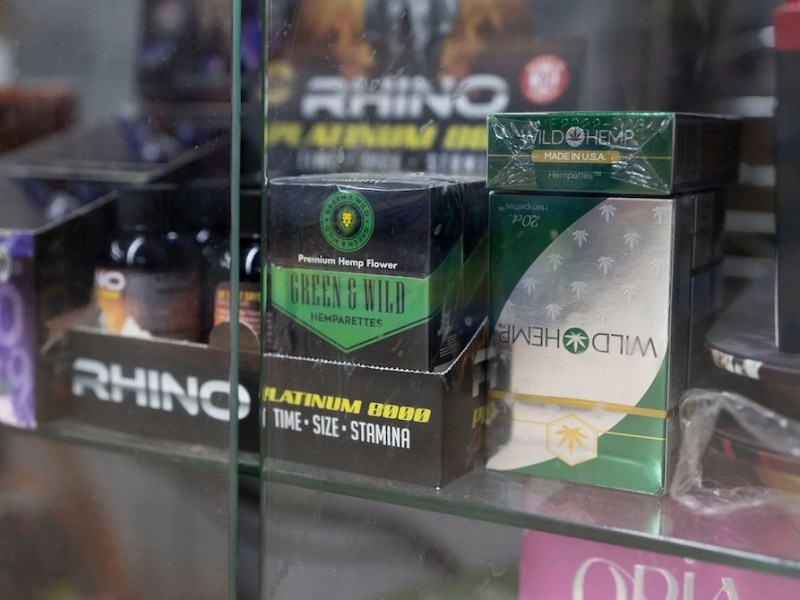
While Texas’ hemp industry has boomed, generating some $8 billion annually, the Republican-controlled Congress last month voted to ban all consumable hemp items nationwide by November of 2026.
According to DPS officials, Texas’ nine potential new cannabis suppliers are:
•Lone Star Bioscience Inc. in the San Antonio area
•Verano Texas LLC in the El Paso area
•Trulieve TX Inc. in the Texas Panhandle
•Texas Patient Access LLC in North Texas
•Lonestar Compassionate Care Group LLC in North Texas
•PC TX OPCO LLC/PharmaCann in the Houston area
•Story of Texas LLC in the Houston area
•Texa OP/TexaRx in the Rio Grande Valley
•Dilatso LLC in North Texas
At present, 42 states and the District of Columbia have approved medical cannabis use, while 24 have authorized recreational adult-use of the substance.
Subscribe to SA Current newsletters.
Follow us: Apple News | Google News | NewsBreak | Reddit | Instagram | Facebook | Twitter | Or sign up for our RSS Feed
Related Stories
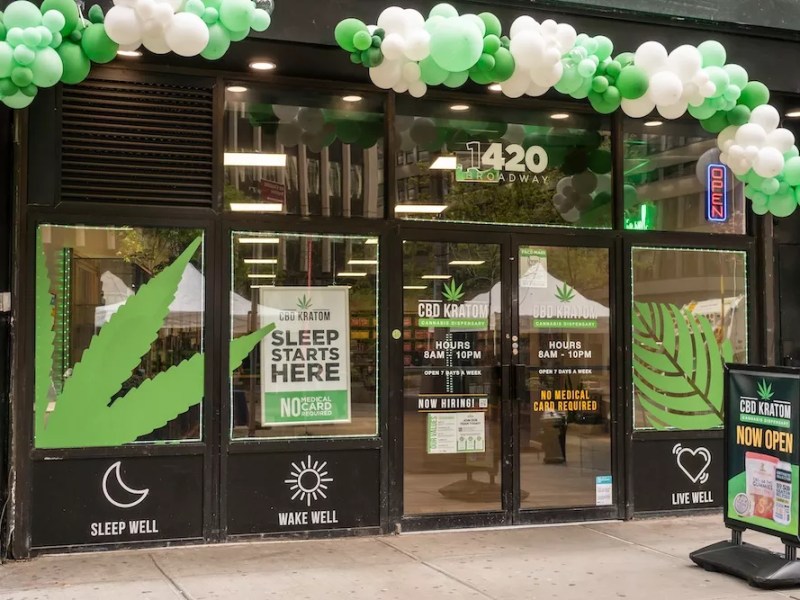
The issue roiled Texas politics earlier this year when Gov. Greg Abbott vetoed a ban on THC products spearheaded by Lt. Gov. Dan Patrick.
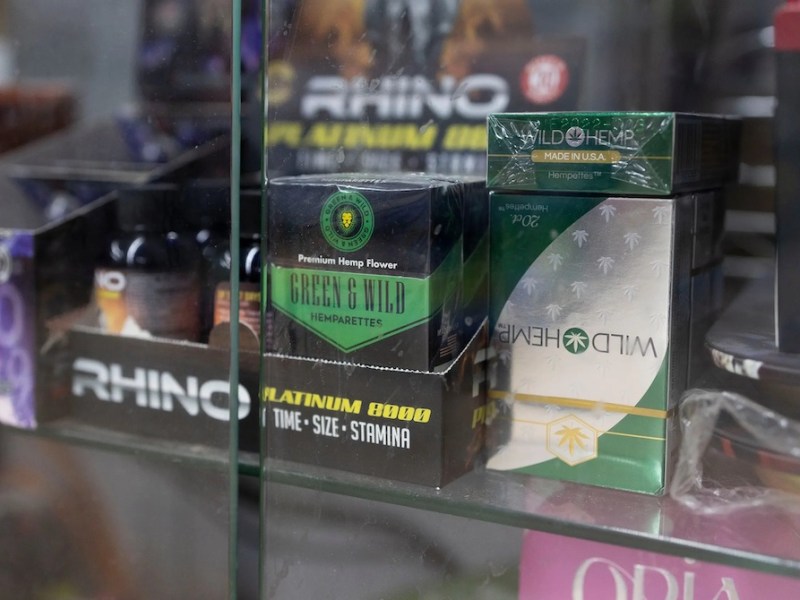
Two state agencies have now adopted the temporary rule while they work to adopt formal rules to limit who can buy THC products.
The 21 age limit is expected to go into effect Tuesday after the Texas Alcoholic Beverage Commission approved the rule. Enforcement won’t begin until Oct. 1.