
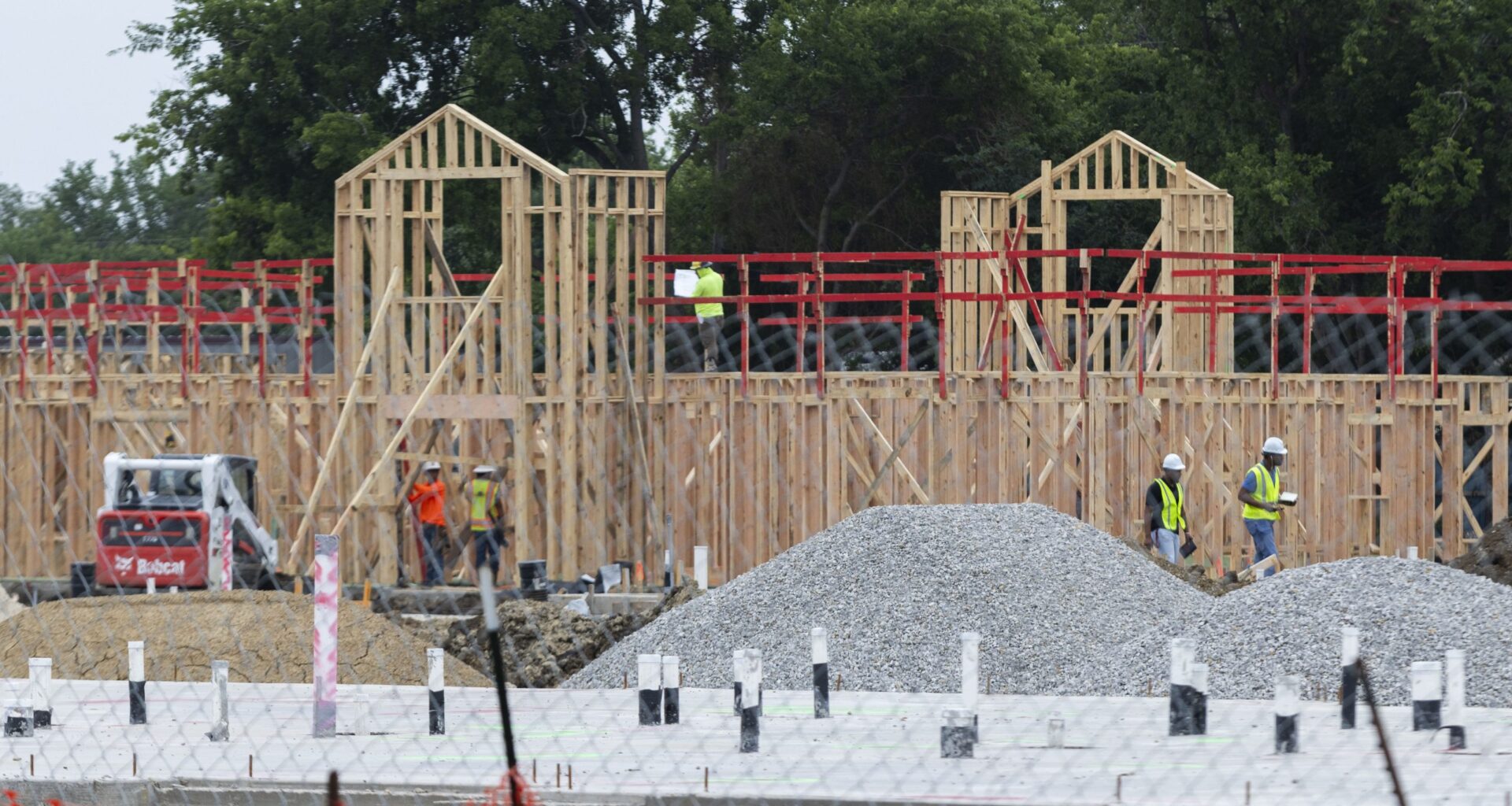
Fort Worth would dedicate $5 million to shore up single-family homes if council members take the city’s affordable housing bond plan to voters.
City staff laid out to council what the investments could look like during a Tuesday work session. The housing investment is one of the bond’s five propositions that will be on the May ballot.
About $1 million of the housing proposal would be used to acquire vacant lots and blighted properties, which nonprofit and private affordable housing developers would then use to construct homes.
The remaining $4 million would help single-family affordable housing developers cover public infrastructure costs such as street, stormwater, water and sewer improvements.
The homes funded by the proposition would only be available to buyers with incomes between 80% and 120% of the area median income, which is about $92,000. The homes must be maintained as affordable housing for up to 20 years.
Constituents want more money devoted to affordable housing, District 8 City Council member Chris Nettles said. Nettles said he wants to explore increasing the $5 million to $40 million — an amount he pushed for in May.
City Manager Jay Chapa said city staff and council members will revisit how to allocate the bond dollars in January, taking into consideration residents’ feedback from community engagement sessions hosted over the fall.
The housing initiatives come as Fort Worth sees home prices skyrocket, as developers struggle to keep up with the city’s fast growth and construction costs rise.
Average home sale prices in Fort Worth rose about 190% since 2010, according to estimates from the U.S. Housing and Urban Development Department. Since 2020, home values have spiked from about $209,000 to $304,000 this year.
Average rental costs also increased, doubling from $700 in 2010 to $1,455 in the Fort Worth-Arlington area, according to federal reports.
District 9 City Council member Elizabeth Beck questioned why the proposals were limited to single-family home purchases rather than also investing in affordable rental properties or multifamily projects.
Kacey Thomas, Fort Worth’s neighborhood services director, said city staff felt the single-family projects would be easier to sell to voters.
Beck countered that other cities across Texas have passed much larger housing bonds.
“I’m not worried about affordable housing passing Fort Worth, whether it be for single-family, for purchase or multifamily,” she said. “Either way, the voters, they’re going to choose it or they’re not.”
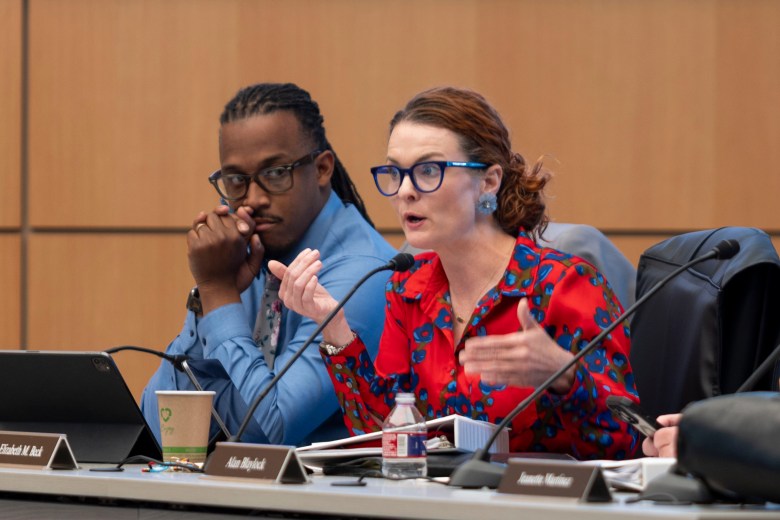 Fort Worth City Council member Elizabeth Beck, right, speaks during a City Council bond workshop as colleague Chris Nettles listens May 20, 2025, at City Hall. (Mary Abby Goss | Fort Worth Report)
Thomas noted that it would be a challenge to devote bond dollars to housing initiatives that will require routine, ongoing investments down the road, as bonds are a one-time fund. The city would need other sources of funding in the future.
Fort Worth is the largest city in Texas not to include a housing proposition in a bond. In 2024, Dallas voters approved that city’s first bond propositions dedicated to housing, including $26.4 million for infrastructure and $19 million toward tackling homelessness.
Residents in Denton, a city of about 172,000, approved $15 million for affordable housing in 2023. Beck said if Denton’s smaller population could devote that much to housing, so could Fort Worth — a city of 1 million residents.
Multiple nonprofits and developers across the city are combating rising costs and helping to increase homeownership rates by adding to Fort Worth’s affordable housing supply with townhomes, cottages, apartments and other efforts.
For example, the Fort Worth Community Land Trust buys, renovates and sells property to qualified families earning up to 120% of the area’s median income. The family owns the home, but the trust owns the land and has first option to buy back the house if the family decides to move.
City bond packages do not affect property taxes or how the city spends tax revenue. Bond elections allow voters to decide whether local government entities may borrow money in exchange for interest payments plus the eventual repayment of the original borrowed amount.
When bond packages are approved, municipalities use the money, which is often millions to billions of dollars, to pay for specific projects detailed in propositions.
As council members plan for the 2026 bond, fixing streets emerged as a top priority, with $511.1 million planned for road repairs and improvements.
Other likely propositions of the bond currently include about $185 million for parks and open space; $64 million for public safety; $60 million for animal care and shelter facilities; and $14.6 million for public libraries.
Using the 2026 bond story map, residents can explore information about proposed projects. An interactive budgeting simulation allows users to allocate proposed bond funding across project categories, getting automatic feedback about their choices and project prioritization.
Nettles requested that council members explore what could be done with $40 million toward affordable housing, as well as how that would affect other propositions, during January’s bond planning conversations.
Drew Shaw is a government accountability reporter for the Fort Worth Report. Contact him at drew.shaw@fortworthreport.org or @shawlings601.
At the Fort Worth Report, news decisions are made independently of our board members and financial supporters. Read more about our editorial independence policy here.
Related
Fort Worth Report is certified by the Journalism Trust Initiative for adhering to standards for ethical journalism.
Republish This Story

Republishing is free for noncommercial entities. Commercial entities are prohibited without a licensing agreement. Contact us for details.