
Millions of Americans have flocked to Texas in recent years, searching for (and finding) what makes Texas, Texas: jobs, low taxes, freedom and barbecue. The influx quickly exposed a long-simmering problem in the state — where to put all of these new transplants. Last year, the Texas Legislature set out to solve it. And with the passage of several unprecedented statewide zoning-related reforms, they did.
Or so they thought.
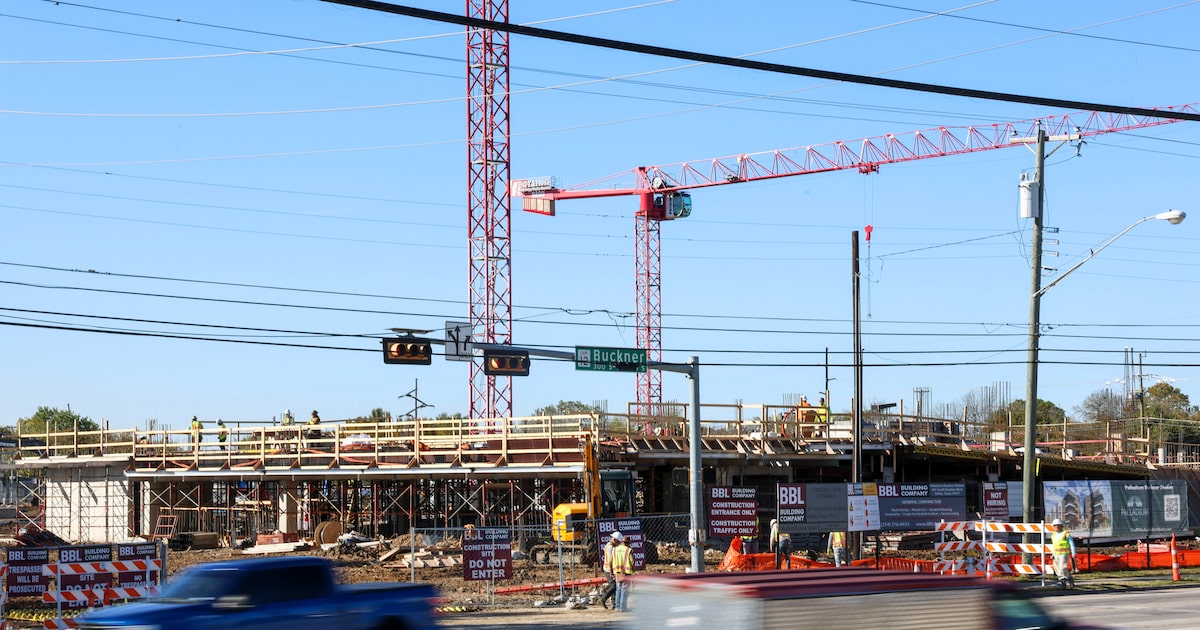
Among the reforms they passed were laws aimed at making it easier to build new housing in Texas’s already-popular urban areas, where people are flocking to live and work. These measures reduce barriers to building new housing by easing permitting requirements and streamlining approval processes. The intent was to encourage the development of apartments and homes people can afford. State lawmakers voted to allow new housing in areas zoned for commercial use and also reduced the minimum amount of land required to build a home.
The statewide zoning reforms paved the way for additional housing not on the periphery, but in already-developed areas of the state. In other words, by legalizing infill, Texas can add housing stock without sacrificing natural, undeveloped land. And in time, by adding housing supply where demand is greatest, the spiraling cost of housing can subside.
But after Gov. Greg Abbott signed the reforms into law, local governments responded with their own ordinances, a series of unusual zoning restrictions designed to frustrate the new state reforms they are required to follow. This local gamesmanship, spearheaded by several Dallas-Fort Worth area cities, now stands to derail the Legislature’s historic reforms to promote property rights and encourage new housing.
Opinion
It seems that some D-FW locales simply want housing to stay prohibitively expensive. And they don’t much care about the rights of property owners or, for that matter, the new state laws that prevent cities from impairing those rights. The result? A series of irrational and unconstitutional restrictions on property owners that seek to build homes and apartments.
Arlington, Plano and Irving have passed (or are considering) rules to increase mandatory minimum heights in multifamily or mixed-use residential buildings. And it doesn’t stop there, with Arlington and Irving suddenly deciding that new housing must include luxurious amenities, which could include yoga rooms, game rooms and others. Frisco has even rezoned large swaths of property to “heavy industrial” to evade having to comply with laws that would apply in its residential or commercial zones. Grand Prairie recently joined these cities and made it illegal to build new one-bedroom apartments smaller than 1,000 square feet in response to state law.
The point of these local efforts, quite obviously, is to sidestep the state’s new laws by identifying new and craftier ways to drive up the cost of new construction. That is not very Texan.
Thankfully, the Texas Constitution prohibits this type of behavior. It provides extensive protections for the peaceful and productive use of property. And it constrains the government from enacting rules that are arbitrary, irrational or motivated by an illegitimate purpose. And there are few government purposes less legitimate than subversion of state law or a desire to make a basic human need more expensive.
Frisco, Arlington, Irving and other cities seemingly believe that they can dodge inconvenient state reforms with crafty ordinance-drafting. But no plan, no matter how underhanded, shields any locality from the state’s most protective bulwark against government abuse: the Texas Constitution. As all localities in Texas must realize, a clever ordinance might net a small win. But the supreme law of the land is undefeated.
Ari Bargil is a senior attorney at Institute for Justice and co-leads its Zoning Justice Project. Arif Panju is the managing attorney of the Institute for Justice’s Texas office.