

[Image: frikota/istockphoto]
The Addison-based Mary Kay Ash Foundation has awarded a $500,000 grant to the Baylor Scott & White Dallas Foundation to accelerate a clinical trial focused on triple-negative breast cancer and to support early-detection work at BSW’s Texas Cancer Interception Institute—an initiative launched earlier this year to shift cancer care from reactive treatment to proactive prevention.
The foundation said the gift reflects its commitment to funding research that improves outcomes for cancers that disproportionately affect women. Michael Lunceford, president of the Mary Kay Ash Foundation board of directors, said in a statement that the organization remains focused on advancing earlier intervention across women’s cancers.
“The Mary Kay Ash Foundation remains committed to finding cures for cancers affecting women,” Lunceford said in a statement. He added that the grant is intended to help drive “a powerful next step in redefining cancer care.”
Support for a pioneering trial
Part of the funding includes $100,000 in continued support for the TRIM-EBC clinical trial led by breast cancer researcher Joyce O’Shaughnessy, MD, chair of the Celebrating Women program for Breast Cancer Research. The study examines whether certain weight-loss medications can reduce recurrence risk in overweight breast cancer patients. Baylor Scott & White researchers say that findings could inform future treatment guidelines.
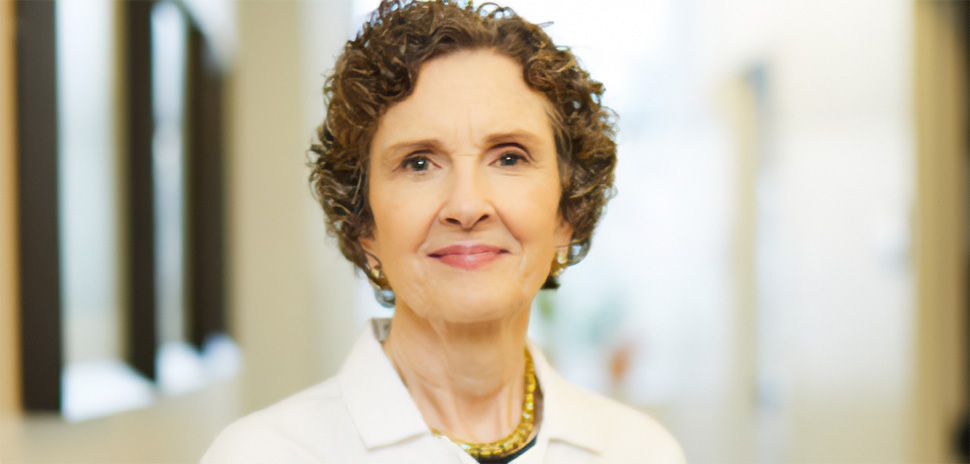
Dr. Joyce O’Shaughnessy leads the TRIM-EBC clinical trial at Baylor Scott & White, which is exploring new approaches to reducing breast cancer recurrence. [Photo: Baylor Scott & White Health]
A new approach to early detection
The remainder of the multi-year gift supports the Texas Cancer Interception Institute (TCII) at Baylor Scott & White Health’s Charles A. Sammons Cancer Center. TCII was established in March 2025 with a $7 million gift from Jeff and Carmen York to advance early-stage detection and interception strategies for multiple cancers.
The institute integrates research and clinical care, using tools such as multi-cancer early detection blood tests, AI-driven analytics, and coordinated patient navigation to identify at-risk individuals much earlier. Designed for broad-scale use, TCII aims to shift women’s narratives from “I have cancer” to “I have cancer, but we caught it early,” while improving survivorship across communities.
A long-running partnership
The foundation said its latest commitment underscores a shared vision with Baylor Scott & White to improve outcomes through early detection and transformative research. Over the past 20 years, the Mary Kay Ash Foundation has contributed $1.3 million to the Baylor Scott & White Dallas Foundation.
In recognition of that work, the foundation received the Circle of Care Award at the 2025 Celebrating Women Luncheon, which honors leaders shaping the future of breast cancer research and care. The luncheon has raised more than $42 million to support research, detection, and programs for women and families facing breast cancer.
The luncheon has raised more than $42 million to fund research, advance detection, and support programs that empower women and families facing breast cancer.
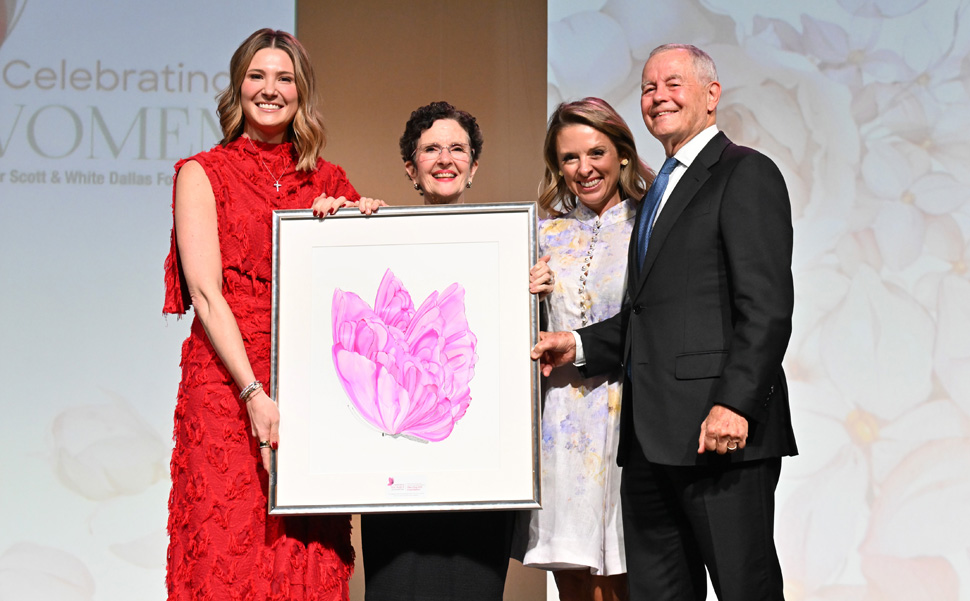
The Mary Kay Ash Foundation received the Circle of Care Award at the 2025 Celebrating Women Luncheon, which supports breast cancer research and early-detection programs. [Photo: Kristina Bowman]
“Mary Kay Ash believed in the power of women to change the world — that conviction lives on through her namesake Foundation’s bold commitment to advancing women’s health by investing in early detection and better treatments,” Christina Goodman, president, Baylor Scott & White Dallas Foundation, said in a statement.
She added that when “brilliant minds” like O’Shaughnessy collaborate with philanthropic partners, “extraordinary things happen,” bringing “hope, healing, and new possibilities” to patients.
Global efforts
Mary Kay Inc. said the Dallas foundation’s work reflects a broader global commitment to ending cancers affecting women. Beyond North Texas, international efforts include:
In Spain, Mary Kay partners with the FERO Foundation to support metastatic breast cancer research.
In Brazil, the Instituto Mary Kay funds cancer education and screening programs reaching thousands of women annually.
In Malaysia, Mary Kay collaborates with the National Cancer Society of Malaysia to promote early detection.
In Canada, the Mary Kay Ash Charitable Foundation supports Look Good Feel Better workshops for women undergoing cancer treatment and provides product donations to help women feel beautiful after cancer.
Across its global markets, Mary Kay Inc., its foundations, and its charitable funds have contributed nearly $44 million worldwide toward research, education, and support programs focused on cancers affecting women, according to the company.
Quincy Preston contributed to this report.
Don’t miss what’s next. Subscribe to Dallas Innovates.
Track Dallas-Fort Worth’s business and innovation landscape with our curated news in your inbox Tuesday-Thursday.
R E A D N E X T
Funding 25 projects across 17 institutions, the Dallas-founded nonprofit is prioritizing metastatic disease, precision medicine, and closing care gaps.

UTA and UT Southwestern researchers have built BIT, a new computational framework that helps scientists identify the proteins that switch genes on and off in cancer and other diseases. The work could pave the way to more targeted treatments and boost gene research accuracy.
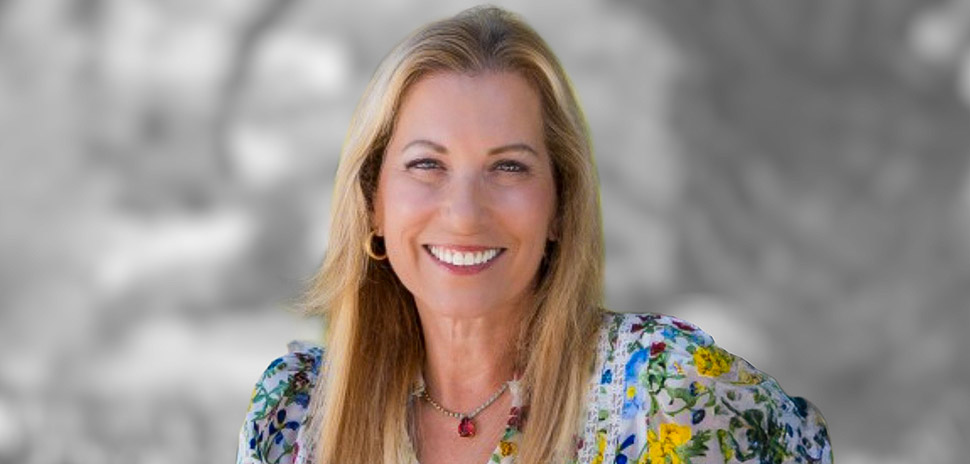
Schneider will remain involved as honorary vice chair as the board launches a national search for her successor.
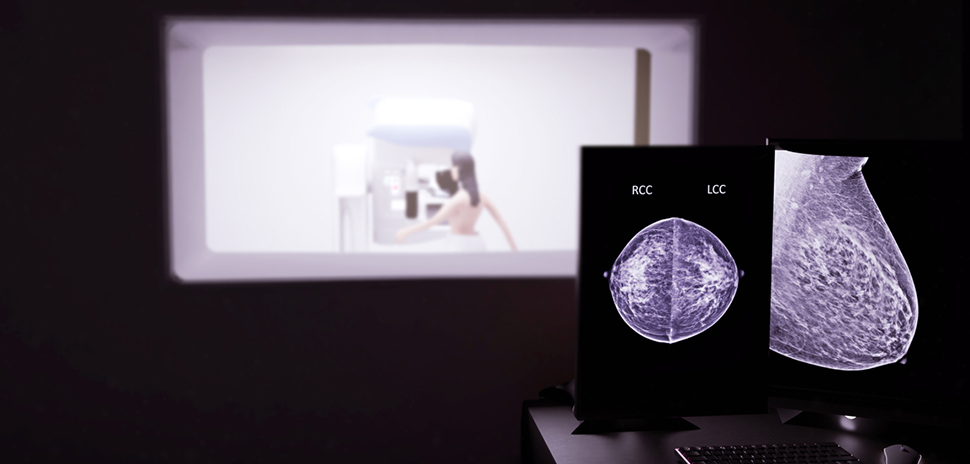
Rather than replace radiologists, UTD researchers say AI could help flag low-risk mammograms for automated review. The approach could cut costs and ease delays as cancer rates rise and the diagnostic workforce shrinks.
University of Texas at Arlington reported its projects contributed $59 million to the national economy last year, an increase of 39% from 2023, according to a new report from the Institute for Research on Innovation and Science (IRIS).