
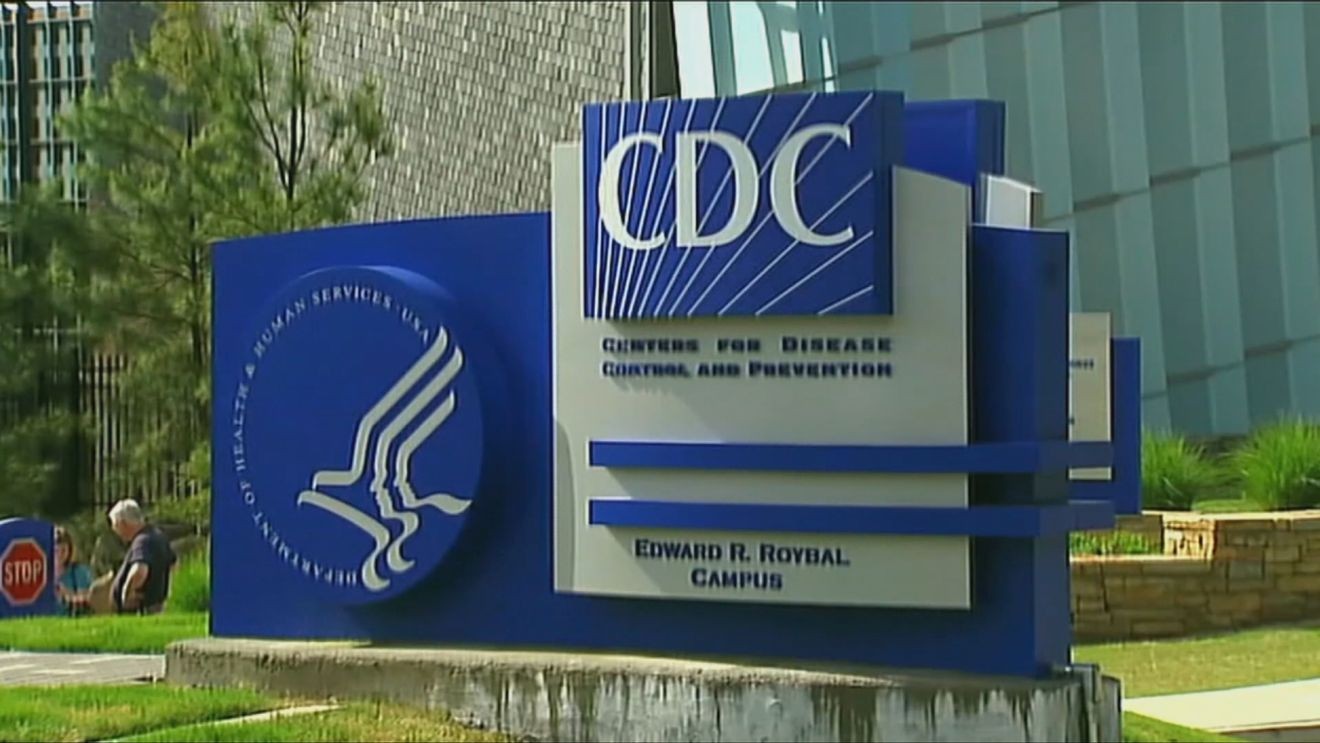
EL PASO, TEXAS (KFOX14/CBS4) — The Advisory Committee on Immunization Practices (ACIP), which advises the Centers for Disease Control and Prevention (CDC) on vaccine guidelines, met Thursday to discuss potential changes to the childhood immunization schedule, specifically regarding the hepatitis B vaccine for newborns.
The proposed change suggests that only infants born to mothers who test positive for hepatitis B, or whose status is unknown, would receive the birth dose.
Babies of mothers who test negative could delay their first dose until around two months old, instead of receiving it within the first 24 hours.
RECOMMENDED: POLL: Should parents decide on hepatitis B vaccine for babies of virus-negative mothers?
Local health experts have expressed concerns about altering the current guidelines, which have been in place since the 1990s. Dr. Hector Ocaranza, El Paso Health Authority, emphasized the importance of the vaccine, stating, “This vaccine can be considered a vaccine that is going to be preventing cancer because hepatitis B virus is considered a carcinogen, meaning that this virus is going to cause liver cancer, and that’s what we’re trying to prevent in children.”
Ocaranza warned that changing the timing could lead to a resurgence of infections, saying, “Changing the recommendation is going to create a lot of those infections coming back, and we’re going to start seeing children that are going to be infected with a hepatitis B virus.”
RECOMMENDED: Santa Teresa livestock crossing awaits USDA inspection for reopening
Community reactions are mixed.
Marisol Ponce believes the vaccine should be mandatory for all children, while others, like Stephen Cohen, support parental choice as long as parents are well-informed.
Kyleen Salais stressed the importance of vaccines at birth, and Khira Malpica Puertas highlighted the broader impact on the community, saying, “At the end of the day it’s not just your kids, it’s a bunch of kids.”
The recommendation is not yet final. ACIP is set to revisit the proposal tomorrow, and even if it passes, it requires approval from the CDC director before becoming national guidance.
Sign up to receive the top interesting stories from in and around our community once daily in your inbox.