
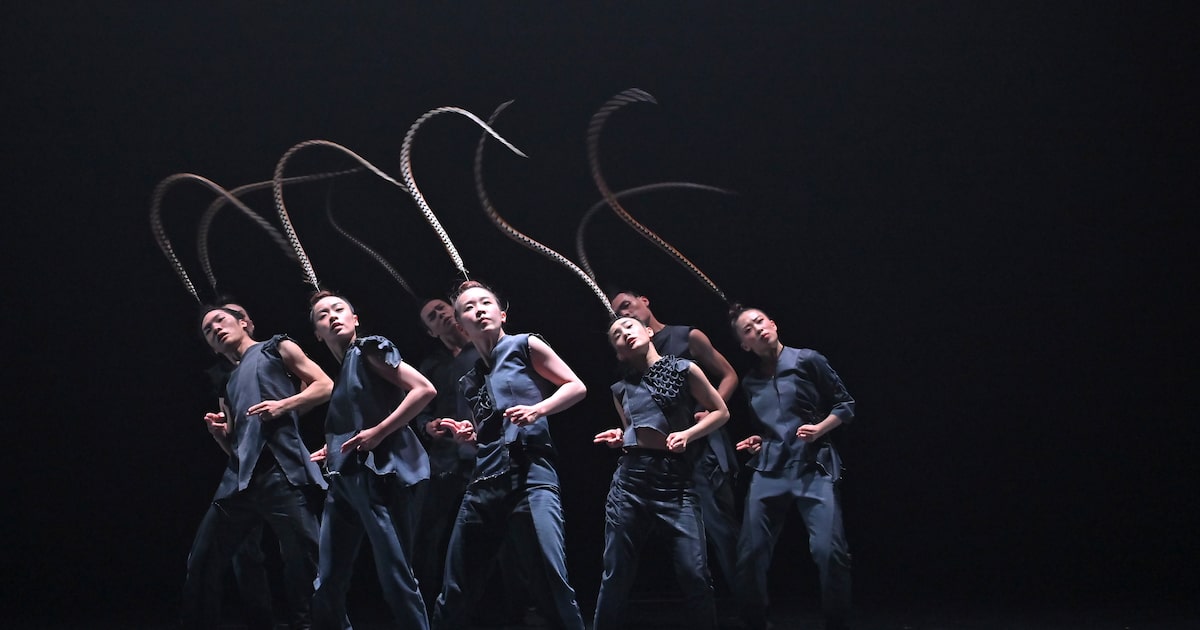
In Taiwanese choreographer Lai Hung-chung’s Birdy, the dancers wear 4-foot-long pheasant feathers on their heads. The effect, according to a review in the Vancouver online magazine Stir, is sculptural and surreal, the feathers sometimes appearing to move in slow motion.
Lai’s group, Hung Dance, recently performed Birdy in the Canadian city as part of a monthlong tour of North America sponsored by Taiwan’s Ministry of Culture. The tour closes next weekend in Dallas, presented by TITAS/Dance Unbound.
The headpieces, called Ling Zi, are a feature of Peking opera, worn by warriors to indicate their rank. But the eclectic late 18th-century Chinese form known for telling stories from history, mythology and everyday life was just one of Lai’s influences. As in so much contemporary dance, audiences won’t see exactly what was going on in the choreographer’s mind.
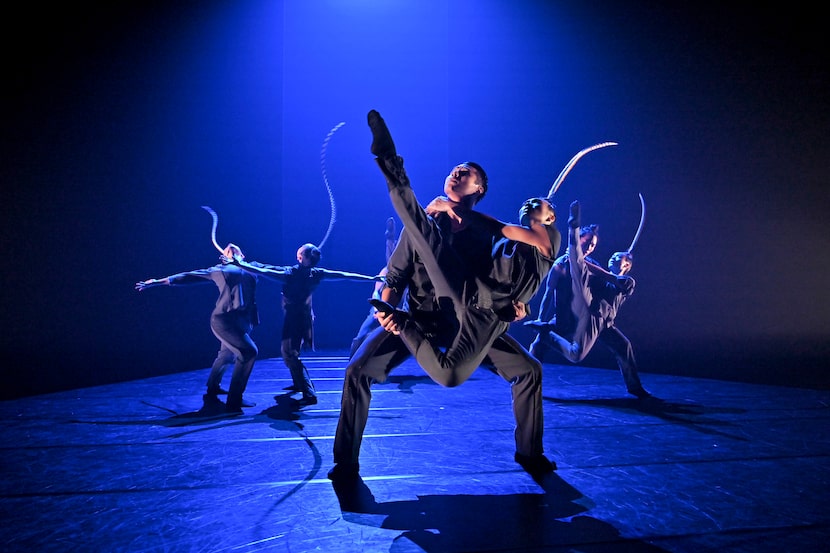
Hung Dance in artistic director Lai Hung-chung s “Birdy,” which is closing its North American tour in Dallas.
Liu Ren-haur.
News Roundups
Besides Peking opera, he was also thinking about the spiraling movement and contrast between stillness and motion in tai chi, the blurring of human and animal forms in the paintings of Francis Bacon, and the American film Birdy about a traumatized Vietnam vet who thinks he can fly.
Related
Lai’s aim was to transform those ideas and images from other periods and mediums into a contemporary dance work about the tension between freedom and oppression.
“The feathers become an extension of the spine, making the body’s tremors more visible on stage,” he says in an email responding to questions about the making of the piece. “When energy travels outward through the feathers, it grows stronger and you can sense how invisible forces influence one another. … What I hope audiences take from Birdy is this feeling that the forces moving between people, often unseen, can shape us, steady us and sometimes unsettle us, just like the feathers on stage.”
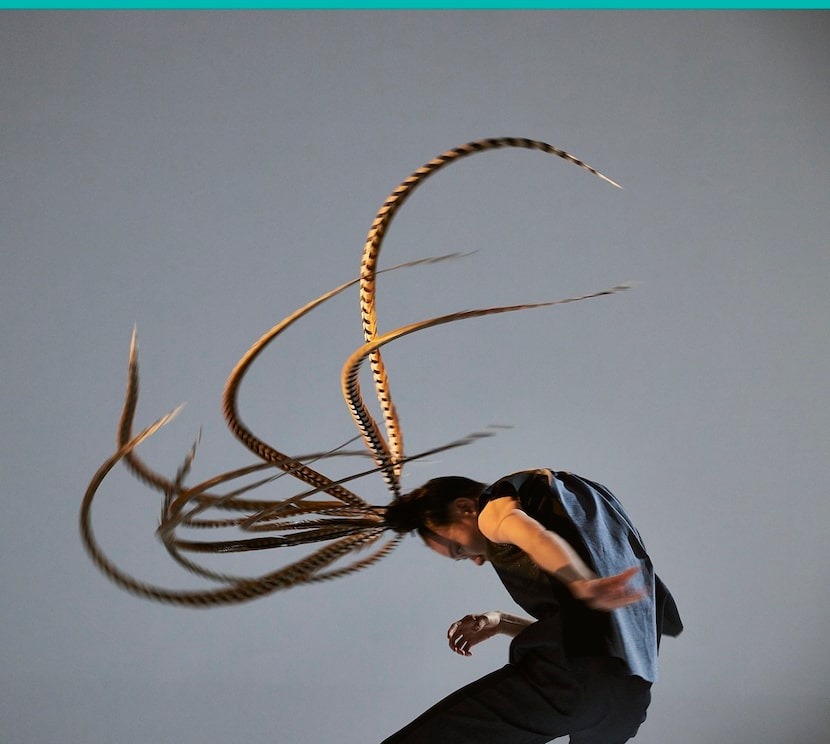
Four-foot-long pheasant feathers provide the iconic imagery in Hung Dance’s “Birdy.”
Luk Hunag.
Lai, 34, is one of the younger practitioners in the vibrant Taiwanese dance scene. Its best-known export is Cloud Gate Dance Theatre of Taiwan, which in 2016 performed the stunning Rice for the TITAS dance series. The piece was developed by artistic director Lin Hwai-min and his 22 dancers while they harvested the grain on an organic farm in the country’s East Rift Valley.
Nature is also a concern of Lai’s, the Ling Zi representing the wings of birds “or vibrations cutting through air,” he told Stir.
“I’m fascinated by how birds can be both delicate and powerful. That dual quality became central to the movement vocabulary in Birdy. And emotionally, birds symbolize the deep human desire for freedom. In the Birdy film, the protagonist imagines becoming a bird as a way of escaping inner pain. That idea resonated with me — the longing to break away from something invisible.”
Lai began dancing at 15, taking classes in hip-hop. By 19, he was choreographing for dance competitions. He founded Hung Dance in 2017. But Lai says success hasn’t come easy.
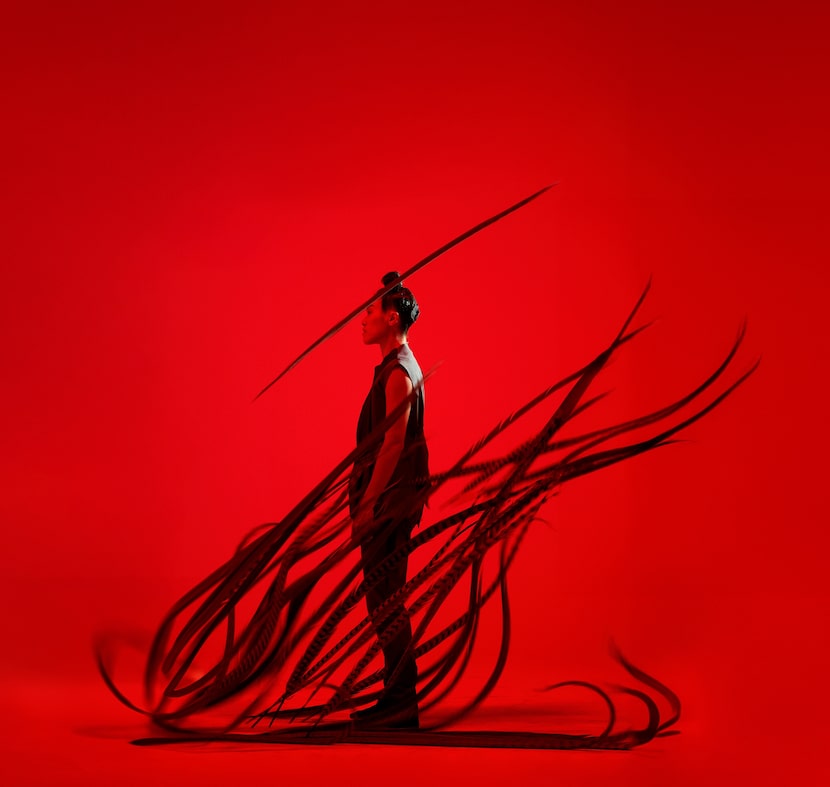
Choreographer Lai Hung-chung uses pheasant feathers metaphorically in his company Hung Dance’s “Birdy.”
Chris Art Studio
“After experiencing many setbacks in Taiwan,” he explains by email, “I discovered something important when I began working internationally: Every country and every audience sees things differently. There are many places where the work resonates, and success appears more often than I expected.
“No matter what your dance background is, the key is to go out and discover those differences. If one path doesn’t work, find another. Keep moving. What doesn’t work in one place may flourish somewhere else. That mindset has shaped my path more than anything.”
Details
Dec. 13 at 7:30 p.m. at Winspear Opera House, 2403 Flora St. $16-$105. attpac.org.
Free things to do with kids for Christmas, holidays at Dallas’ NorthPark CenterSounds of the season: 14 holiday concerts happening in North Texas
Arts Access is an arts journalism collaboration powered by The Dallas Morning News and KERA.
This community-funded journalism initiative is funded by the Better Together Fund, Carol & Don Glendenning, City of Dallas OAC, Communities Foundation of Texas, The University of Texas at Dallas, The Dallas Foundation, Eugene McDermott Foundation, James & Gayle Halperin Foundation, Jennifer & Peter Altabef and The Meadows Foundation. The News and KERA retain full editorial control of Arts Access’ journalism.