
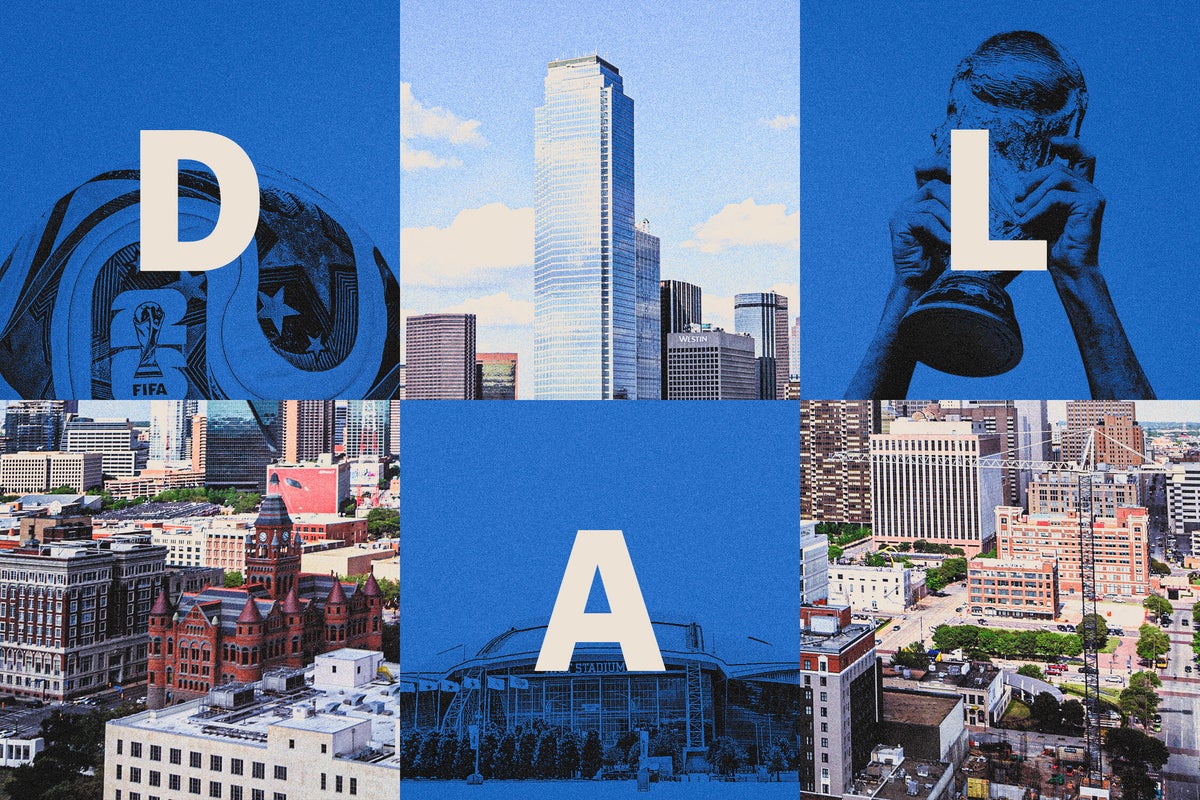
The Athletic has live coverage of the FIFA Men’s 2026 World Cup draw.
Whether it’s the Ewing family on its wide-open ranch or a rootin’ tootin’ cowboy riding his horse through town, Dallas evokes an image.
Not an image that lasts beyond the moment most visitors actually touch down in Dallas, but an image nonetheless.
You can visit Southfork Ranch and you can sure find cowboys. But Dallas and the region around it is no cow town. This area now looks a fair bit like most other big American cities.
While the shorthand we’re using is Dallas, the host committee is North Texas, and the matches themselves are taking place in Arlington. Visitors should note that North Texas encompasses not only Dallas and Arlington but also Fort Worth — a city that, on its own, has a population larger than that of other World Cup host cities and where visitors could easily spend several days exploring arts and culture “where the West begins”.
It is in Fort Worth’s Stockyards that visitors can see longhorns being driven through the streets every day, where they can buy quality boots, and where they can see themselves walking in the same steps and even visit the same saloons on Hell’s Half Acre as outlaws Butch Cassidy and The Sundance Kid or Bonnie and Clyde.
This is, however, not something the vast majority of the region’s residents indulge in daily. There are things to be done, tacos to be eaten, patios to sit and drink on.
That, generally, is the attitude about other unsavory elements of Dallas’ history as well.
Dallas was branded the ‘City of Hate’ after John F Kennedy was assassinated on Elm Street in 1963. For years, it seemed, this place wrestled with being the city that killed the president.
With help from ‘America’s Team,’ the Dallas Cowboys, that TV show, plus a few sons and daughters rising to international prominence, Dallas largely was able to shake that image held not only by the outside world, but sometimes by itself.
The Cowboys remain hugely popular, and while Sundays are dedicated to the pro game, Saturdays are met with equal fervor for the college version — as alumni from schools all over the state and beyond pray they will have bragging rights when they return to the office Monday. It is a far more united crowd Friday nights, when the big city often takes on that small-town feel. with thousands of parents filling metal bleachers to watch high school football, plus the marching band, cheerleaders and dance teams that perform alongside the game.
Football clearly is king, but the region is also in love with soccer, even if it may not be as apparent here as in other places. FC Dallas, for now the only professional men’s team, left the historic Cotton Bowl for northern suburb Frisco in 2005 and has played in Toyota Stadium ever since. That facility, currently undergoing renovations, has been home to many great moments, but much of the area’s Latino community has opted not to see it, still hurt by a team that launched with Mexico legend Hugo Sánchez in 1996 leaving an area of the region where many lived.
On soccer fields all over the region, however, you will see a mix, people from different races playing the game. Soccer is a space in which a city that was intentionally segregated decades ago — and still does not come together enough — does join.
The civic and cultural effects are far more important than how the game is played, but it is worth noting that it creates a mix of styles, with players from Latin America often bringing their on-the-ball technique, while those who have come up in North Texas’ many impressive youth academies display the skills learned from drills and organized play.
That blend is evident when watching the style of some of the region’s favorite sons and daughters, be it U.S. legend Clint Dempsey, a Dallas Texans product (from East Texas), 2026 World Cup hopeful Ricardo Pepi, an El Paso native who became one of dozens of FC Dallas academy players to go on to bigger things, or U.S. Women’s National Team midfielder Sam Meza.
Producing soccer players is not the only thing North Texas does well. The food scene is among the best in the U.S., with clusters of restaurants serving the food of Vietnam, Laos and Korea, sitting alongside taco shops, burger joints and high-end steakhouses. And while the cowboy stuff might not all resonate, it’s still true that the best brisket in the world gets smoked in Big D.
Another part of the North Texas stereotype that sticks? We do things big here. So, when there were rumors of the World Cup final coming, there was both disbelief — Dallas? The final? — and a strange sense of correctness. Of course we could pull off hosting the final.
Instead, it’s nine matches — one of them being a semifinal. There will be many games here, many chances for the region to show the world who it is now — to put some of the shameful moments behind it and to change the stereotypes.
Dallas and North Texas may not always know how to present themselves to the world, to prove that people here are far more than a bunch of cowboys. But it does know how to throw a party, and it knows how to extend hospitality. Fans are ready to flock to the stadium, but also to welcome the world to North Texas and leave them with an image of who we really are.
Yes, you can still buy a cowboy hat as a souvenir.
The stadium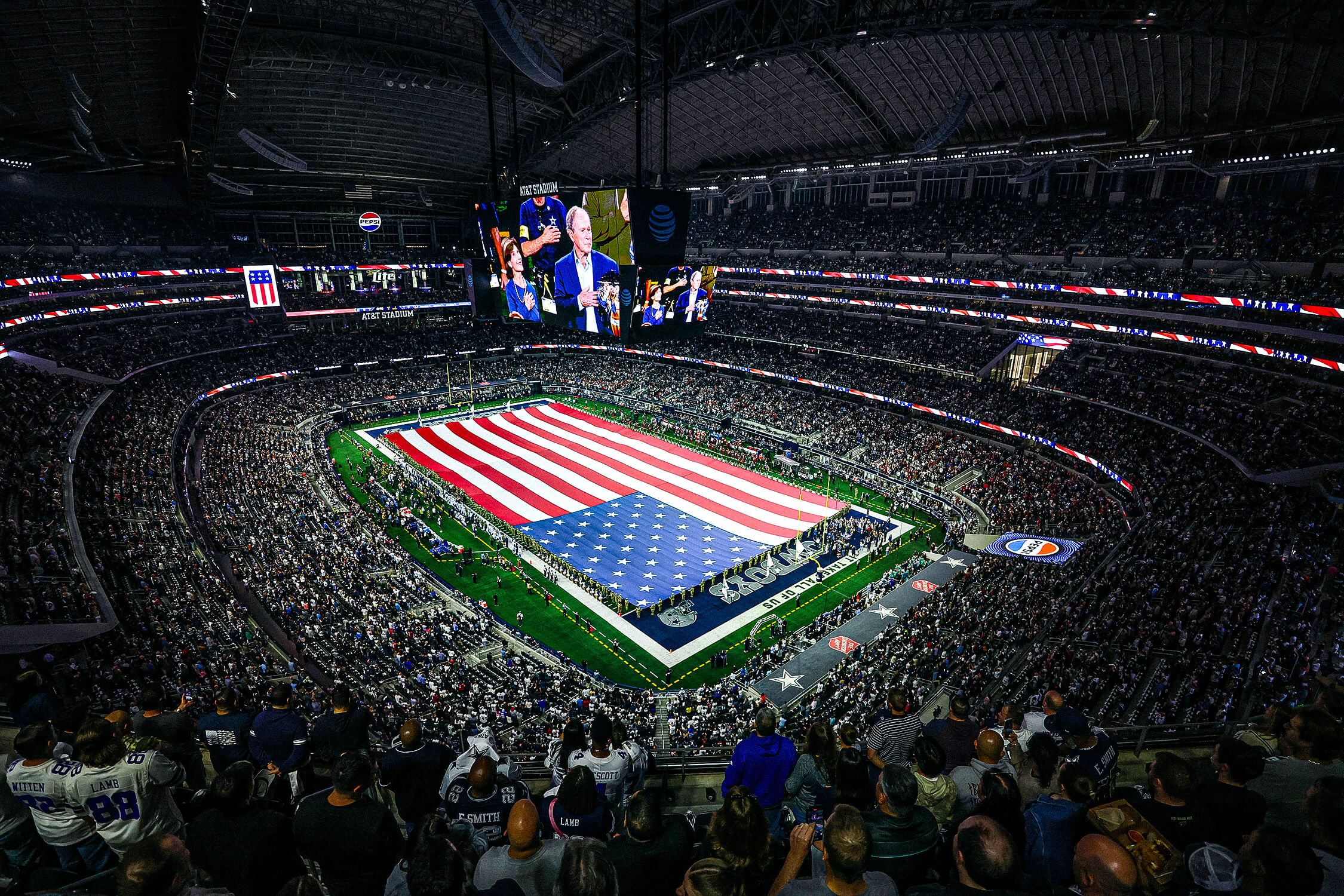
AT&T Stadium (Stacy Revere via Getty Images)
AT&T Stadium is the home of the NFL’s Dallas Cowboys, the region’s most popular sports team. Its massive screens and huge, flat ends allow for the sale of standing-room tickets that have the capacity to expand to more than 100,000, though it is typically listed at 80,000. In addition to American football matches, it has also played host to the NBA All-Star game, Wrestlemania, boxing matches and concert tours. A freak snowstorm marred the only Super Bowl to be played there so far, but given the first game in the city is on June 14, that is not a risk for the World Cup semifinal.
Even with the Cowboys’ huge level of popularity, bombastic owner Jerry Jones couldn’t find an agreement with the local government to build the palatial facility in Dallas, so it sits in Arlington, Texas, a suburb between Dallas and Fort Worth that is also home to the Texas Rangers’ baseball stadium and several other entertainment venues.
Car is the best way to get there. There are a few other options, though organizers will provide transit plans for World Cup matches.
What do the players say about the city?
No athlete is beloved in Dallas like Dirk Nowitzki, the basketball star (and soccer fan) who showed up as a tall, gangly kid from Germany and still lives in Dallas after bringing the city its first NBA championship.
“All I saw was the show Dallas, my parents were watching it, it was countryside,” he recalled this year. “I was a little shocked how big the city was already then.”
Dirk eased the transition of Real Madrid import Luka Dončić, who fans in Dallas embraced as the successor until his abrupt, unpopular trade to the Los Angeles Lakers earlier this year.
“I love this city,” Dončić said after the trade. “Dallas is a special place.”
Most soccer players who come to the region to join MLS side FC Dallas have to choose between living in Frisco, the northern suburb where FCD is based, and city life, which requires a daily commute of around 45 minutes each way.
FCD goalkeeper Maarten Paes opted to live centrally, making life easier for his girlfriend Luna Bijl, who works as a model. “We didn’t know that much about Frisco, so I said to her, ‘I’m not going to move you over to the other side of the world and live in the countryside because I don’t think you have a lot to do there.’”
Northern residents may disagree, but most World Cup visitors will want to focus on attractions in Dallas or Fort Worth.
Where to go for breakfast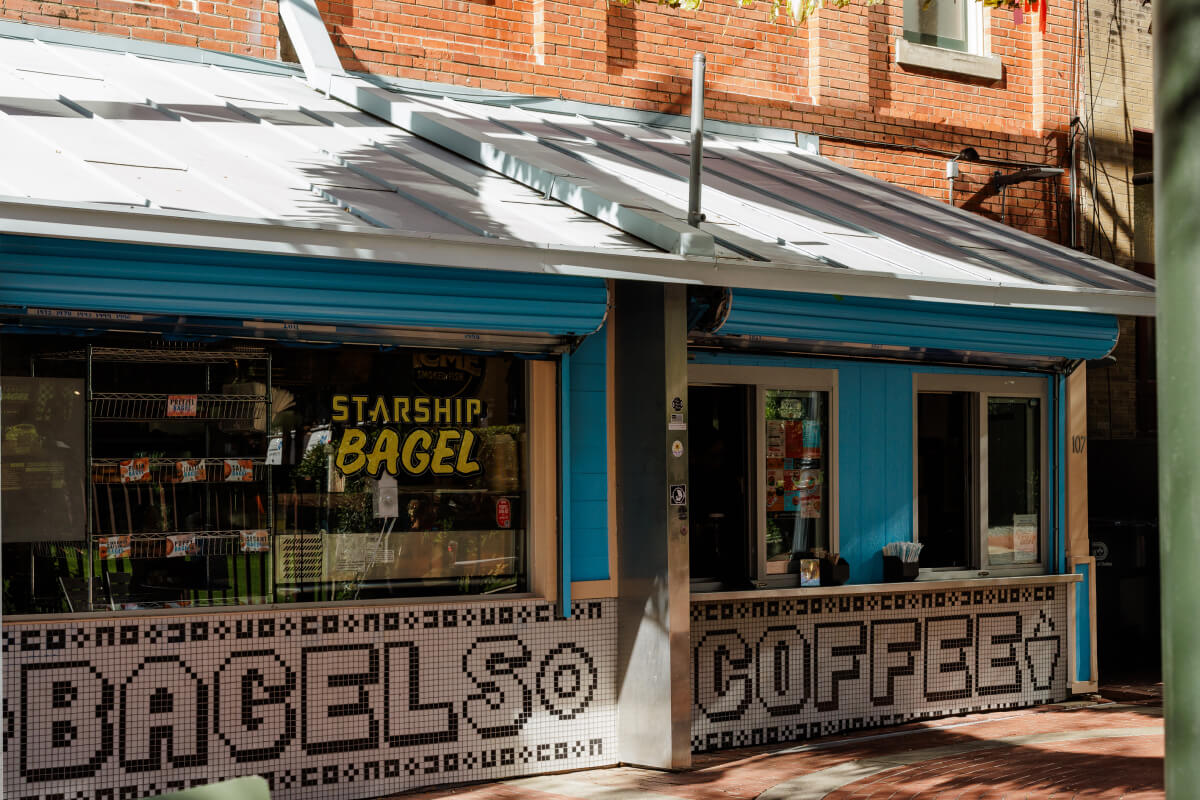
Starship Bagels (Paul Arturo Torres)
Where to go for lunchWhere to go for dinnerWhere to grab a drink during the day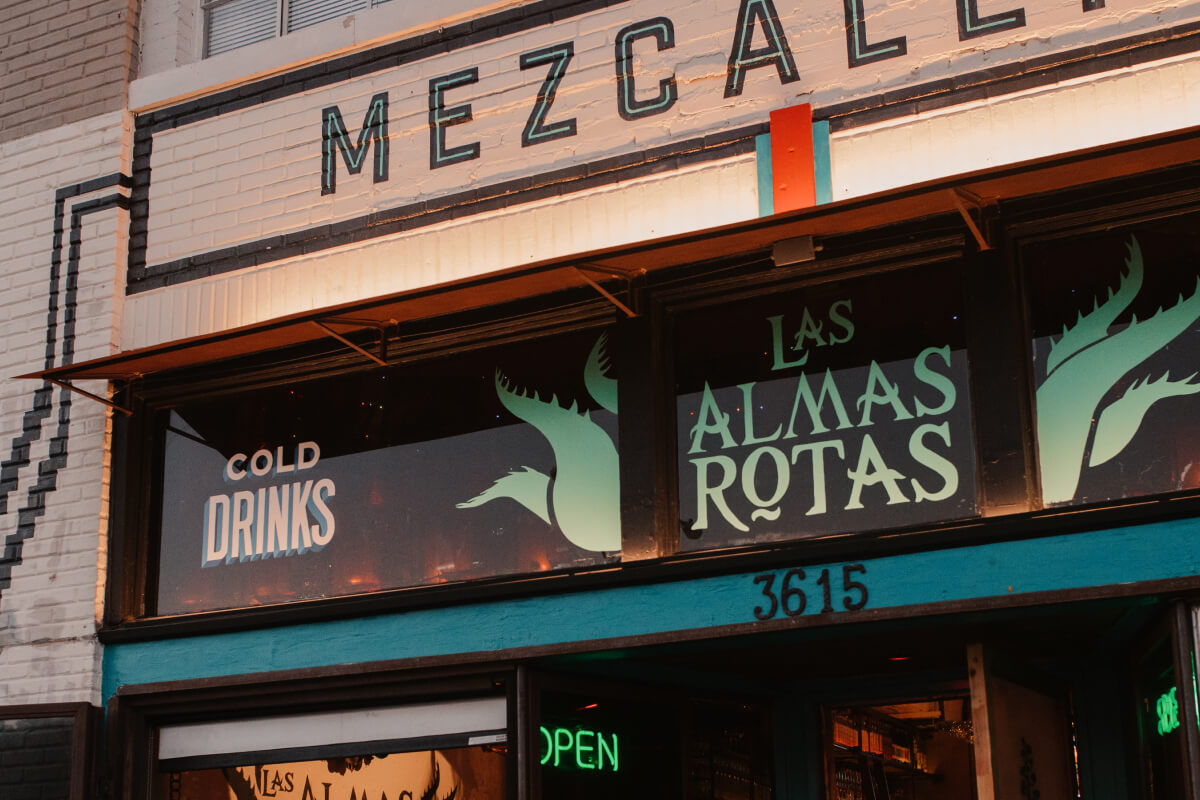
Los Almas Rotas (Image supplied by venue)
Where to grab a drink in the eveningWhere to stay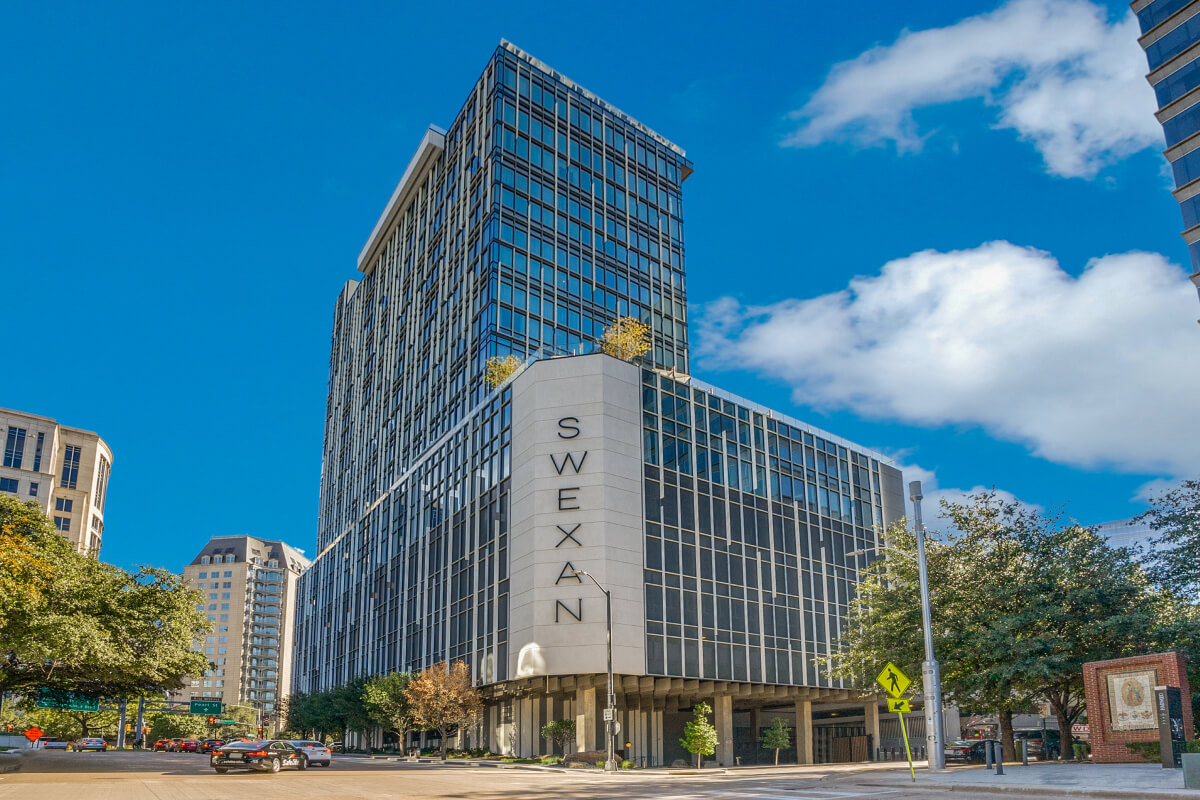
Hôtel Swexan (Image supplied by venue)
What to do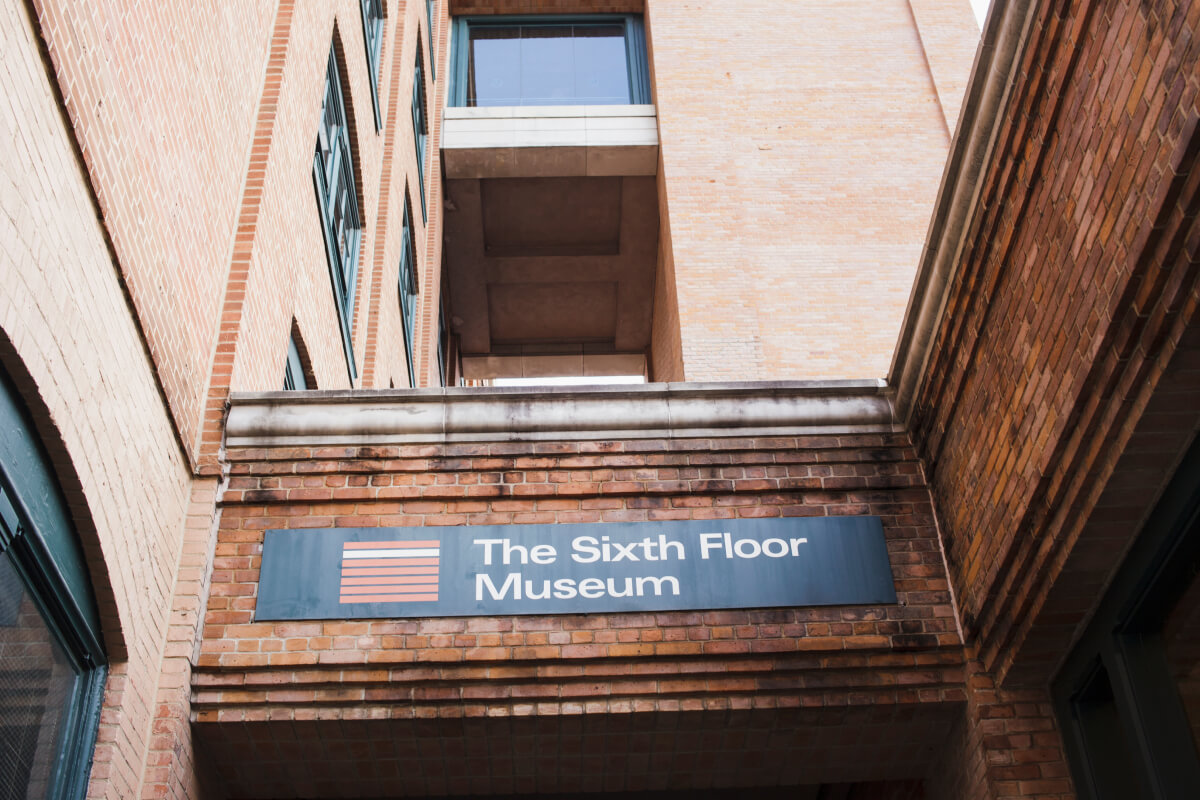
Sixth Floor Museum (James Leynse via Getty Images)
Where to watch other World Cup games
Like so many things in Dallas, your best bet depends on where you are. Fort Worth is home to comfortable sports hangout Upper 90, while Dallas, Addison and Colleyville all have Londoner locations. Peticolas Brewery always whips up a World Cup-related craft beer with a battle-themed name (this year it’s three, including the TKO in Mexico and the Melee in the USA) and has the games on its screens. The atmosphere should be vibrant amid Fair Park’s beautiful art deco architecture at the official Fan Fests.
Game-day hack
There’s no hack to avoid traffic and parking lots in Arlington, but if you get to the area early, some sports bars, including J Gilligan’s and BoomerJack’s, have long offered shuttle service from their establishments to the stadium and back. Just make sure you register in advance when necessary, since the shuttle service to World Cup matches may be ticketed.
The downtown Arlington area has developed lots in recent years, so you could pre-game at Hurtado Barbecue and neighboring Hayters Bar and Lounge before walking to the stadium. Beware, though, it will be hot and you will be sweating.
The best way to get around
Dallas-Fort Worth is an extremely car-centric place. Gas, at least, is typically cheap. A gallon in early November was $2.62. Uber/Lyft and other ride-share options are plentiful and reasonably priced.
When a destination is on a public transit route, it’s often easy and affordable. A DART day pass starts at $6. The Orange Line takes visitors from DFW Airport to downtown. TEXRail heads west from the airport to Fort Worth for just $2. The Trinity Railway Express goes between the two cities. However, AT&T Stadium is not on a train line or bus route, nor are other soccer venues, including Toyota Stadium in Frisco. While DFW Airport receives most international flights, some domestic tourists find it easier to fly into Dallas’ Love Field, especially if they’re not going to leave the Eastern side of the metro area.
What will the conditions be like?
Average June/July temperature: 81F/86F (27C/30C)
Average June/July rainfall: 84mm/43mm
Altitude: 173m
You can read more here.
A sporting fact you might not know
The Dallas area is home to the headquarters of many sporting organizations, with the PGA a recent arrival in Frisco, USA Cricket having taken up residence in Dallas earlier this decade (and putting on matches at the 2024 Men’s T20 World Cup in Grand Prairie, just down the road from AT&T Stadium) and even the United States Bowling Congress situated in Arlington. College sports are huge in Dallas, and the area is also home to the offices of the Big 12, Conference USA and American Conference.
You can read guides to all of the 2026 host cities here.