
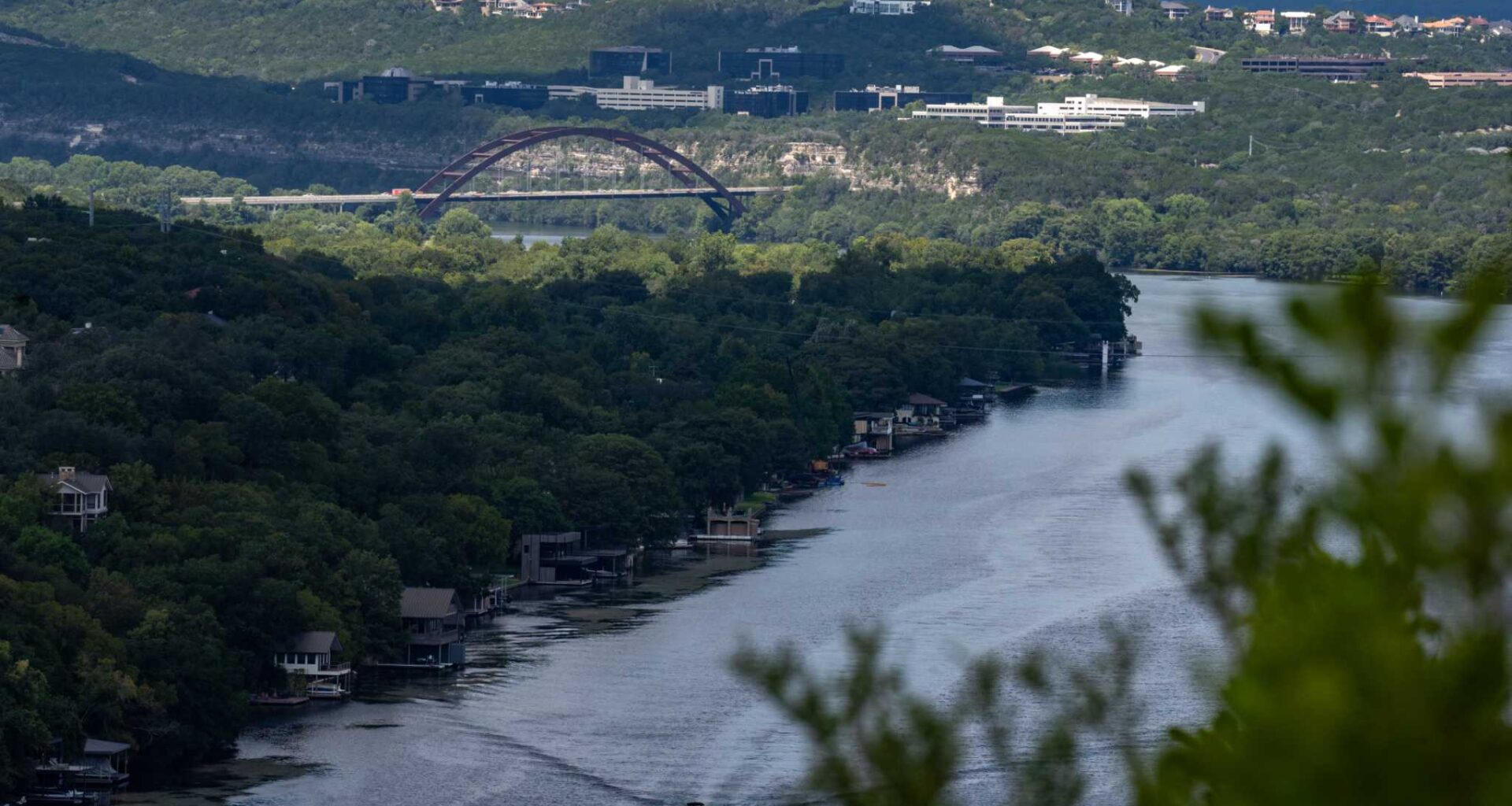
Multiple properties along Lake Austin have been officially removed from the city of Austin after the City Council approved the disannexations last week, stripping more than $290 million in taxable value from the city.
The move follows years of controversy dating back to the 1800s, when the Texas Legislature added thin strips of land along the Colorado River to Austin’s city limits. In 1986, the council declared the properties “limited-purpose jurisdiction,” meaning the city could not tax the shoreline properties and the properties would not receive full municipal services such as water, wastewater service and fire hydrants.
In 2019, the City Council voted to add the properties to the city’s tax rolls through an ordinance declaring that the properties had been within the city’s jurisdiction “at all times since the 1891 Act of Incorporation.”
More than 300 landowners sued the city, arguing the action retroactively changed property interests without notice or hearing.
“Our clients were singled out for the worst of both worlds: denied the full City services others receive, yet still paying full City taxes and subject to full City regulation,” said Chris Johns, the attorney representing the Lake Austin landowners, in a statement. “This was an illegal annexation to enable an illegal money grab.”
State lawmakers this spring passed a bill allowing property owners to disannex from a city if they do not receive the same municipal services provided elsewhere in the city. About 143 landowners represented by Johns petitioned for and won release from the city Thursday. Johns said more petitions are expected.
“We appreciate City staff’s courtesy in receiving and reviewing the petitions, and we hope the City will honor this new Texas law,” he said.
The city will lose at least $291million in taxable value with the disannexation, according to an analysis of property records.
“Any proposal that could affect the City’s tax base or service responsibilities is something we take seriously,” Peter Partheymuller, a city spokesperson with Austin Planning, said in a statement. “We will continue to evaluate the potential impacts, but our priority remains maintaining strong, reliable services for our residents.”
As for what happens next, the city says Austin Police Department services for the newly disannexed properties will transfer to the Travis County Sheriff’s Office. EMS and Austin Fire services will continue because the city and county share emergency response and fire services.
Austin Energy will continue to provide services in the disannexed area, and properties within the Austin Water service area that already receive water and wastewater utilities will see continued service. Residents will also continue to have access to Austin Public Library services.
Residents will not be eligible for a refund of taxes or fees in the disannexed area under state law, Partheymuller said, but the disannexations will be reflected on 2026 property tax bills.