
A long-term STEM project results in a personalized app aimed at reducing sun-related risk
Two Plano ISD seniors turned years of curiosity, coding and persistence into a nationally recognized innovation.
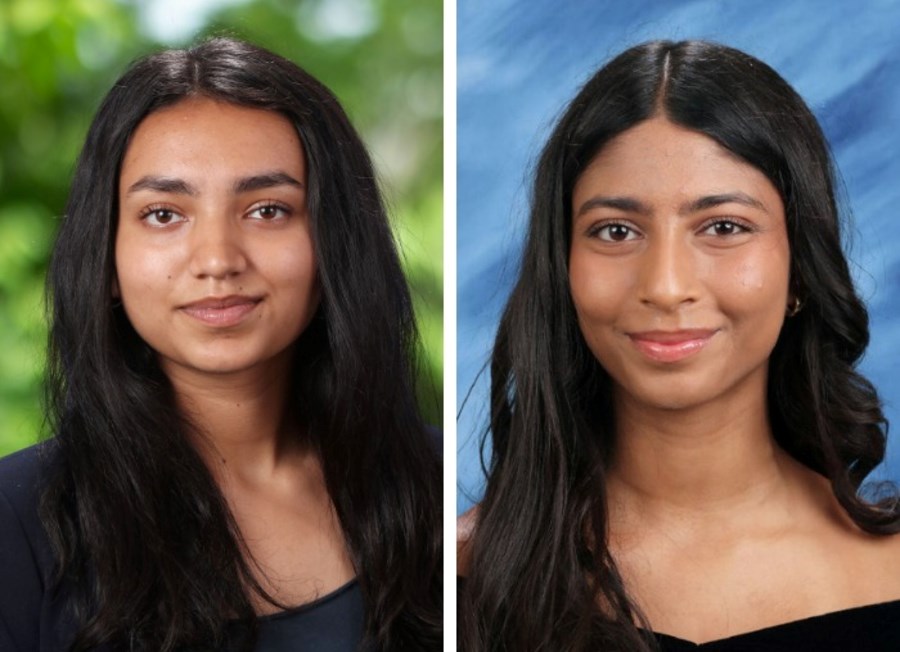
Plano seniors Shriya Viswanathan and Saura Agarwal were awarded a U.S. patent for their UV Exposure Monitoring and Alerts Application, a personalized system designed to help users track sun exposure and receive alerts before it reaches unsafe levels.
The patent recognizes a technology that combines real-time monitoring with individual health factors to reduce the risk of sun-related skin damage. According to Plano ISD, the system integrates a mobile app, UV sensors and user-specific data to calculate safe exposure limits and notify users when those thresholds are reached.
From Science Fair To Patent
The idea behind the application began years earlier at a Renner Middle School science fair, where the students first explored how technology could address everyday health concerns.
That early concept continued to develop through ongoing research, testing and refinement, eventually becoming a fully realized system now protected by a federal patent. Today, Viswanathan is a senior at Plano Senior High School, while Agarwal is completing her studies in the International Baccalaureate program at Plano East Senior High School.
Plano ISD credited the students’ long-term commitment and leadership as key factors behind the project’s success.
How The Technology Works
Rather than relying on generalized guidelines, the patented system centers on personalization.
According to the district, the application monitors UV exposure in real time while accounting for factors such as skin tone, family history of skin cancer and sunscreen SPF. Using that information, it determines a safe exposure limit and alerts users before potential harm occurs.
By tailoring alerts to the individual, the system offers a more precise approach to sun safety and prevention.
A Focus On Prevention
Extended sun exposure remains a common and often overlooked health risk, particularly in regions like North Texas, where outdoor activity is part of daily life. The students’ work addresses that concern by emphasizing awareness and prevention through accessible technology.
Plano ISD described the project as an example of strong engineering and problem-solving skills applied to a real-world issue, noting that the system offers a practical way for users to make informed decisions about time spent outdoors.
STEM Leadership On Display
District leaders praised Viswanathan and Agarwal for their creativity and dedication to STEM learning, pointing to the patent as a reflection of how early curiosity can lead to meaningful outcomes.
Don’t miss anything Local. Sign up for our free newsletter.