
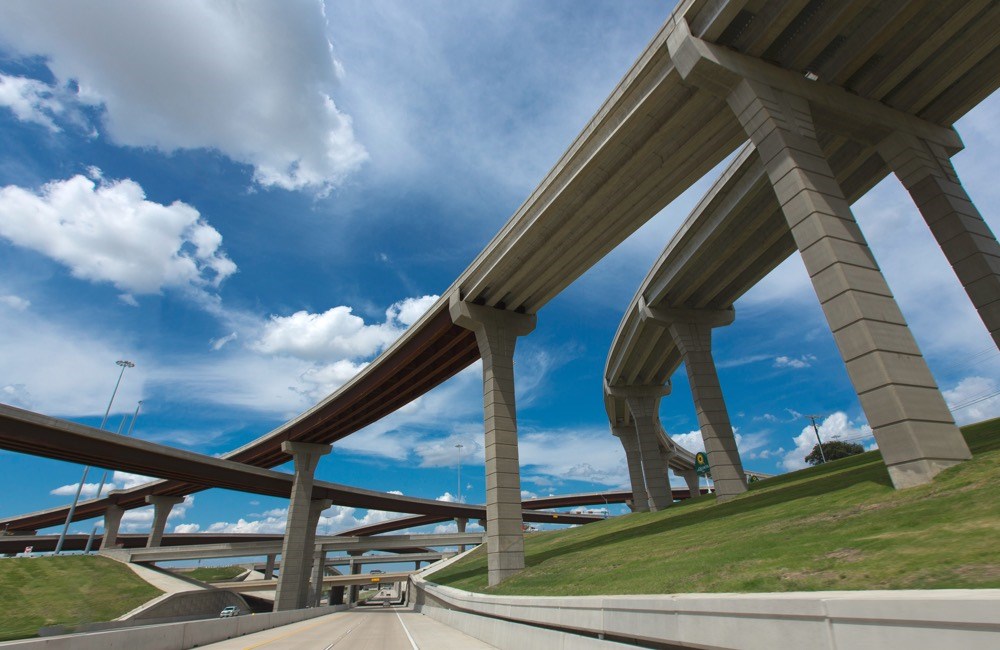
A major Collin County commuter corridor has landed on Texas’ annual list of the most congested roadways, underscoring the growing pains that come with the region’s continued population and economic boom.
According to a new report from the Texas A&M Transportation Institute (TTI), Dallas–Fort Worth accounts for 41 of the 100 most congested road segments in the state. Among them is a stretch of San Johnson Highway/U.S. 75 in Collin County, ranked No. 30 statewide.
Where Congestion Hits Home In Collin County
The ranked segment runs along U.S. 75 from the Legacy Drive exit ramp to the President George Bush Turnpike, a heavily traveled corridor for commuters moving between Plano, Frisco and surrounding job centers.
In 2024 alone, that portion of roadway experienced a total of 448,641 hours of delay, according to the study. Drivers idled through an estimated 508,684 gallons of wasted fuel over the course of the year, highlighting both the time and economic costs of congestion in one of North Texas’ fastest-growing areas.
North Texas Dominates The Statewide List
Collin County’s ranking reflects a broader regional pattern. The 2025 Texas Top 100 Congested Road Segments Report shows North Texas dominating the list, with multiple familiar routes appearing near the top.
Other North Texas roadways cited in the report include Woodall Rodgers Freeway between U.S. 75 and North Beckley Avenue, Interstate 35 West from State Highway 183 to Interstate 30 and several segments of I-30, I-35E and I-635. Multiple stretches of U.S. 75 also appear, reinforcing its role as one of the region’s most critical and crowded arteries.
Congestion Down, Even As Traffic Grows
Despite the long delays logged on individual roadways, the report points to an encouraging statewide trend. The study compares 2024 traffic conditions with those from 2017, a previous peak congestion year in Texas.
Even with statewide travel increasing by 12% over that period, total delays across Texas dropped by 12%. Researchers estimate those improvements saved commuters about $1.8 billion in 2024 through reduced delay and fuel costs, translating to roughly $240 per driver.
“With more people driving on Texas roads, you might expect traffic-related problems to increase, but thanks to our projects throughout the state, delays are actually going down,” TxDOT Executive Director Marc Williams said in an official statement. “It’s a testament to the incredible work our crews and engineers do every day and shows that the investments in transportation are working.”
Congestion Relief Efforts
Much of the progress highlighted in the report is attributed to the Texas Clear Lanes program, launched by Gov. Greg Abbott in 2015 to focus on congestion relief in the state’s largest metro areas. About half of the road segments on the Top 100 list were under construction in 2024, including several Clear Lanes projects.
District-led projects in smaller cities are also contributing to quicker improvements as construction wraps up, according to TxDOT.
“Even with more people and more cars on the road, Texans are still doing better than they were five or 10 years ago,” said David Schrank, a senior research scientist with TTI. “That’s a direct reflection of the congestion-fighting strategies that have been put in place, especially Texas Clear Lanes and other mobility-enhancing projects across the state.”
How Texas Compares Nationally
The findings align with national data as well. The recently released 2025 Urban Mobility Report shows that, compared with similarly sized metropolitan areas across the country, Dallas–Fort Worth and Houston experienced about 39% less delay per mile traveled. San Antonio and Austin also performed better than peer cities, with roughly 16% less delay.
Don’t miss anything Local. Sign up for our free newsletter.