

Home » Latest Travel News » Hawaii Joins Illinois, California, Tennessee, Texas, Pennsylvania, and Other States in Implementing New Accommodation Taxes Across the US, Including Chicago, Hawaii, San Diego, Nashville, Austin, and Philadelphia, to Boost Tourism in 2026: Everything You Need to Know
Published on
January 4, 2026

Hawaii joins Illinois, California, Tennessee, Texas, Pennsylvania, and other states in implementing new accommodation taxes across the U.S. in 2026. Cities like Chicago, San Diego, Nashville, Austin, and Philadelphia are boosting tourism with higher lodging fees and surcharges to support infrastructure and sustainability efforts. As tourism continues to grow in these regions, local governments are using taxes to address increased demand, fund public services, and promote environmental initiatives. Hawaii’s introduction of a “Green Fee” aims to protect the state’s fragile ecosystems, while Chicago has implemented congestion surcharges to manage traffic and generate revenue. Similarly, cities like San Diego and Nashville are leveraging tourism taxes to fund marketing and infrastructure improvements, ensuring they can continue to attract visitors and maintain their status as top travel destinations. These changes highlight how cities and states across the U.S. are strategically utilizing accommodation taxes to ensure the long-term sustainability of their tourism industries.
Chicago, IL: High Taxes and New Surcharges
Chicago’s lodging tax rate in 2026 stands at a substantial 17.4%, making it one of the higher tax regions in the U.S. This includes both state and local taxes, which combined push the overall rate up. Notably, the city has introduced new “Congestion Surcharges” for ride-sharing services, which began on January 6, 2026, adding an extra cost for travelers using services like Uber and Lyft. The surcharge is aimed at reducing traffic congestion while generating additional revenue for the city. With Chicago’s mix of cultural events, business tourism, and a diverse range of accommodations, the taxes are an integral part of the city’s ongoing efforts to manage tourism infrastructure and services.
Hawaii (Statewide): A Green Approach to Tourism
Hawaii’s statewide lodging tax for 2026 is 18.5%, one of the highest in the nation. This includes the introduction of a new “Green Fee” in 2026, a tax designed to support environmental sustainability efforts across the islands. This fee is a response to the growing concerns about over-tourism and its impact on Hawaii’s fragile ecosystems. The funds from the Green Fee will be used for preservation projects, environmental initiatives, and sustainable tourism programs to protect Hawaii’s unique natural resources. As one of the top destinations in the world, Hawaii is balancing its booming tourism industry with the need for ecological conservation, using taxes as a tool for future-proofing its appeal.
San Diego, CA: A Popular Destination with Growing Taxes
San Diego’s total lodging tax rate for 2026 is 15.75%, reflecting a mix of state, county, and city taxes. This includes a 2% Tourism Marketing District (TMD) fee, aimed at promoting tourism and attracting more visitors to the region. San Diego is a major hub for tourists, known for its beautiful beaches, cultural attractions, and world-class parks. The TMD fee supports marketing campaigns that promote the city’s tourism offerings both locally and internationally. With increasing visitor numbers, this additional fee is crucial for sustaining the destination’s growth while ensuring that San Diego maintains its reputation as a top vacation spot for both leisure and business travelers.
Nashville, TN: Honky-Tonk City’s Extended Tax Break
Nashville’s lodging tax rate in 2026 is 15.25%, which is slightly below the national average. The city has extended its $0.50 per night privilege tax through 2026, a tax that was originally introduced to fund infrastructure improvements for tourism. Known for its vibrant music scene, festivals, and southern hospitality, Nashville has grown into a major tourist destination. The extended privilege tax aims to help the city support the demand for public services, manage the impact of tourism, and maintain its cultural sites. This is a small but important charge that benefits the local community, especially as Nashville anticipates an increase in visitors in the coming years.
Austin, TX: Taxed for a Thriving Cultural Scene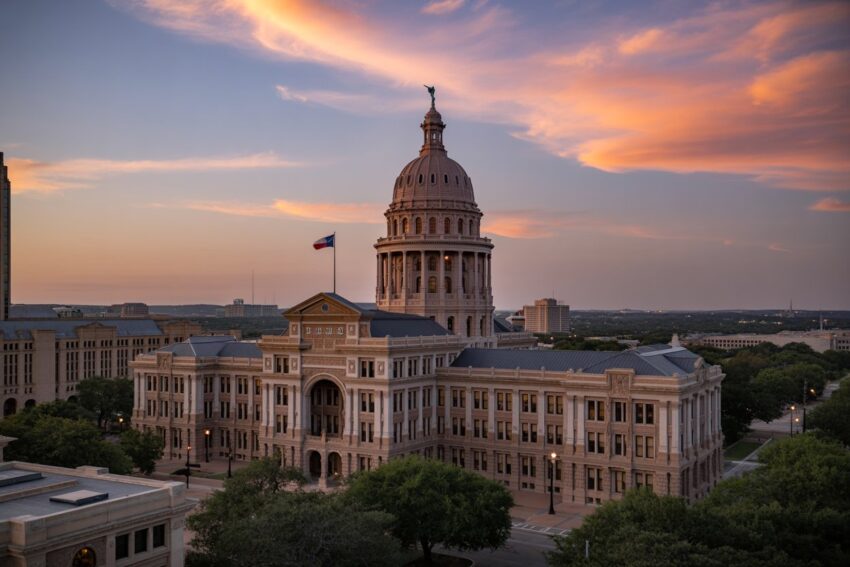
Austin’s lodging tax in 2026 is 17.0%, which includes both state (6%) and city (11%) taxes. Known for its thriving live music scene, tech industry, and cultural festivals, Austin attracts millions of visitors each year. The combination of state and city taxes helps the local government manage infrastructure needs, including roads, parks, and cultural institutions. Austin’s music festivals, like SXSW, and its appeal to tech tourists continue to drive growth, making the city an increasingly popular destination. These taxes play an essential role in maintaining the facilities and services that keep Austin vibrant and accessible for both residents and tourists alike.
Philadelphia, PA: A Historic City with a Steep Tax Rate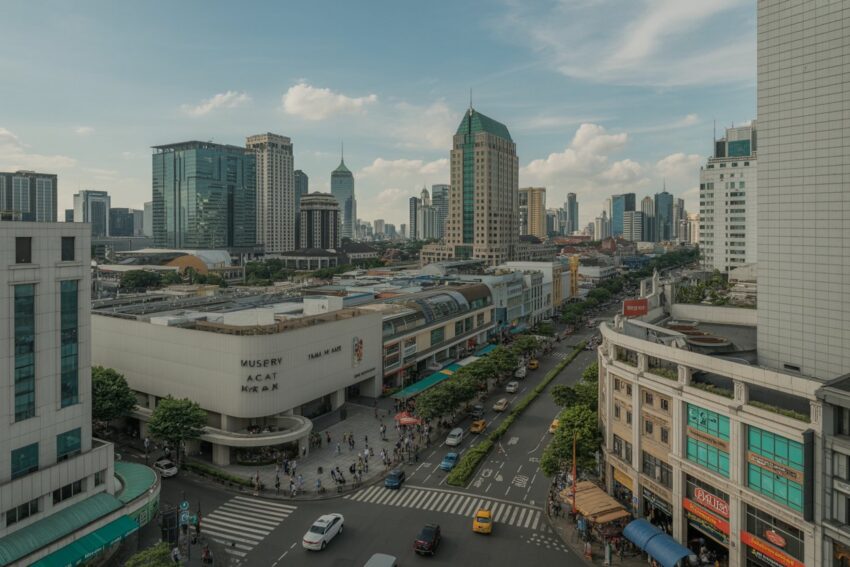
Philadelphia’s lodging tax rate for 2026 is 16.2%, reflecting the city’s commitment to sustaining its tourism infrastructure, especially during major events. Notably, the city is gearing up for the 250th Anniversary celebrations in 2026, which are expected to draw significant numbers of visitors. The high tax rate supports this monumental event and ensures that resources are available to manage the expected increase in tourists. Philadelphia, with its rich historical landmarks, museums, and festivals, continues to be a key cultural destination in the U.S. These taxes help preserve the city’s historic sites and fund public services, making it a prime location for both history buffs and cultural enthusiasts.
Rising Accommodation Taxes to Manage Tourism Growth
Accommodation taxes have become an essential tool for managing the growing demands of tourism in major U.S. cities. In some urban centers, lodging taxes have been significantly increased to support infrastructure improvements, maintain public services, and promote sustainability. For example, cities with high tax rates, such as 17.4% in one location, combine both state and local taxes to help manage the influx of visitors and ensure the long-term viability of tourism-driven economies. Additionally, new surcharges on ride-sharing services, aimed at reducing traffic congestion, are being implemented to generate extra revenue while balancing the needs of residents and tourists alike. These measures reflect a broader strategy of using tax revenue to maintain and improve the urban environment in highly visited destinations.
Promoting Tourism and Supporting Local Infrastructure
Lodging taxes also play a crucial role in promoting tourism by funding marketing efforts that attract visitors to local attractions. For example, a city with a 15.75% lodging tax rate uses a portion of the revenue to fund a Tourism Marketing District (TMD) fee, which supports campaigns that draw domestic and international travelers. These marketing efforts help ensure that the city remains competitive as a top vacation destination, while also generating additional funds for the city’s infrastructure needs. As tourism grows, these taxes help cities maintain the facilities and services required to keep the tourism industry thriving and to provide a high-quality experience for visitors.
Supporting Sustainability and Community Services
In some regions, accommodation taxes are also being used to support sustainability efforts and preserve the local environment. For instance, one state introduced a “Green Fee” as part of its accommodation tax to fund preservation projects aimed at maintaining the area’s natural beauty. These funds are allocated to environmental initiatives and sustainable tourism programs, ensuring that local ecosystems are protected amid rising tourism. In addition, cities with historical landmarks or major cultural events are utilizing lodging taxes to support preservation and restoration efforts. These measures help maintain the cultural integrity of cities while providing resources to manage the demands of growing tourist populations, ensuring a balanced and sustainable approach to tourism development.
Hawaii joins Illinois, California, Tennessee, Texas, Pennsylvania, and other states in implementing new accommodation taxes across the U.S. in 2026. Cities like Chicago, San Diego, Nashville, Austin, and Philadelphia are boosting tourism with higher lodging fees and surcharges to support infrastructure and sustainability efforts.
Conclusion
Hawaii’s decision to join Illinois, California, Tennessee, Texas, Pennsylvania, and other states in implementing new accommodation taxes across the U.S. reflects a broader trend of cities like Chicago, San Diego, Nashville, Austin, and Philadelphia using these measures to enhance their tourism industries. These taxes are not just about generating revenue but are aimed at improving infrastructure, supporting sustainability efforts, and ensuring that the growing demand for tourism is met responsibly. As we move into 2026, these cities are taking strategic steps to balance tourism growth with the need for investment in local communities and services, ensuring that both visitors and residents benefit from the continued success of the tourism sector.
