
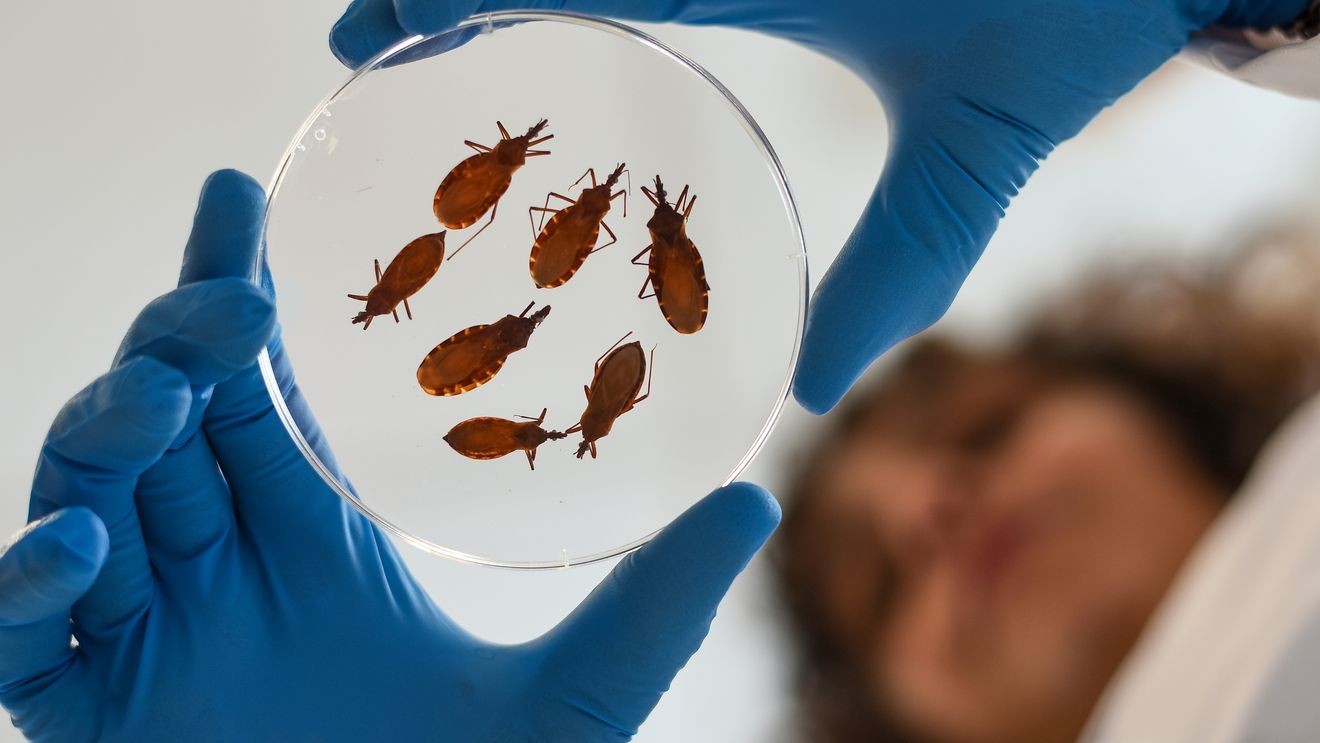
EL PASO, Texas (KFOX14/CBS4) — Researchers at The University of Texas at El Paso have discovered alarmingly high levels of the parasite responsible for Chagas disease in insects near the U.S.-Mexico border.
Chagas disease, caused by the parasite Trypanosoma cruzi – or T. cruzi – is primarily spread by blood-feeding insects known as kissing bugs.
The study, led by UTEP professor Rosa Maldonado, found that 88.5% of kissing bugs collected in the area tested positive for Trypanosoma cruzi, a significant increase from 63.3% in 2021.
The findings, published in “Epidemiology & Infection,” suggest a growing risk of local transmission in the Southwestern U.S. Chagas disease, which affects about 6 million people globally, can lead to severe health complications if untreated.
“The infection prevalence in kissing bugs has risen significantly, from 63.3% in a study we conducted in 2021 to now 88.5%, indicating a marked upward trend. T. cruzi infections appear to be increasing,” said Maldonado.
The research team collected bugs from various locations, including El Paso County and southern New Mexico.
Maldonado advised sealing homes, keeping pets indoors, removing debris, installing insect screens, and turning off outdoor lights to prevent bug entry.
Maldonado also shared a few practical preventative measures for the public:
Homes should be sealed by closing cracks and gaps that may allow kissing bugs to enter.Pets can get Chagas, too, so it’s important to keep them indoors when possible.Debris and woodpiles near houses should be removed, as these insects often take shelter under shaded structures.Installing insect screens on windows can help keep bugs out.Turn off outdoor lights at night; light can attract the bugs.
The team plans further studies to assess if local residents are already infected.
RECOMMENDED: Prestigious scholarship empowers UTEP students to pursue law and AI
Sign up to receive the top interesting stories from in and around our community once daily in your inbox.