
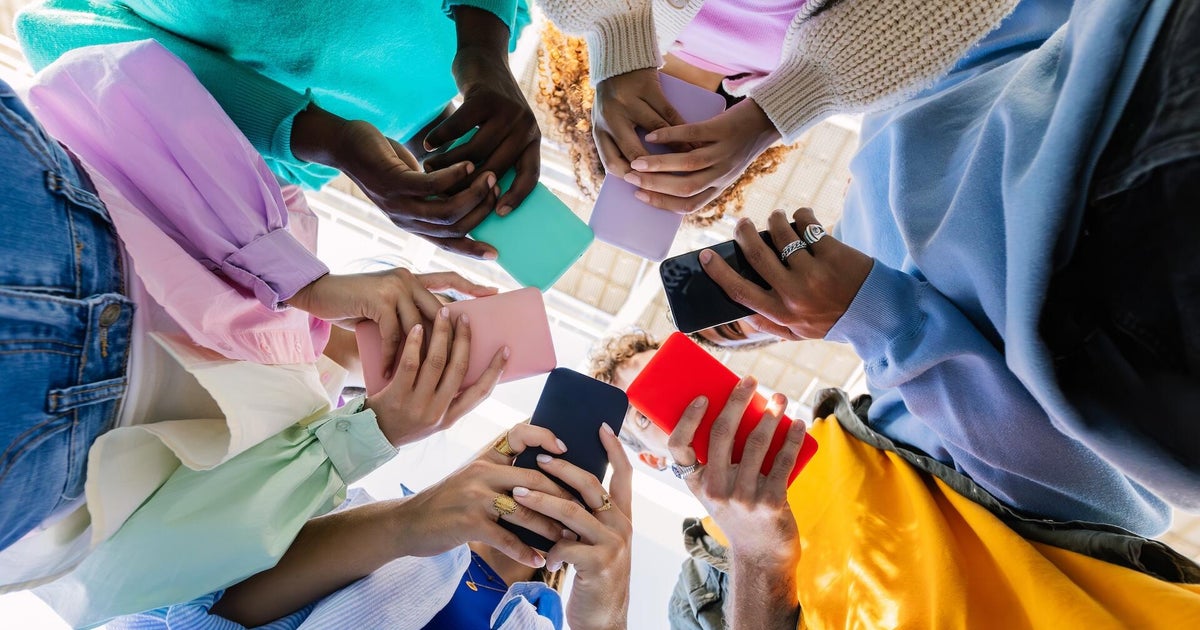
A state lawmaker from North Texas says he’s going to try again in 2026 to pass a law that bans social media for children under 16.
Republican State Representative Jared Patterson of Frisco tried passing legislation in 2025. While it made it through the House, it didn’t get across the finish line in the Senate.
When asked if he thought the bill would have passed had there been more time, Patterson said, “We’ll never know.”
“We were so confident about it,” he said. “I think we had broad bipartisan support, and you know, only 25 out of 150 votes against it in the Texas House. I mean, this is a this is not a red versus blue bill. This is red, white and blue bill. This is something that all walks of life people get behind.”
Patterson’s bill received a vote of 116 for and 25 against. Some lawmakers opposed the bill because of free speech concerns.
Patterson originally wanted to ban social media for children under 18, but now, he wants to lower the age to 16, just like Australia’s new law.
“Look, getting kids under 16 off of this harmful product is significantly better than where it currently stands. Which is you can be practically any age and have Instagram, Snapchat, TikTok, whatever you want.”
Patterson said that what may have deterred more lawmakers from voting in favor of the bill was the “unknown” and that lawmakers needed to become “more educated” on social media’s effect on youth.
“I’ve had the opportunity to study this issue for four years,” said Patterson. “I’ve served on two interim study committees on this issue. I have met with and talked to parents that have lost their children due to this harmful product, social media. And so, I think, like any issue, some of us are more acutely aware of the problems that exist and then the legislative solution for that problem. And so, I think, really, it’s more of just- about educating members about this product, how harmful it is to teens. What all they have access to.”
When asked about his response to arguments such as free speech, Patterson said they previously had the same discussion when it came to removing sexually explicit material from schools. “Case law actually says that children do not have—Supreme Court precedent says that children do not have a First Amendment right to obscene content,” said Patterson. “And we know, because X, Snapchat, Instagram, whatever it is, there is explicit content on there. And so maybe we need to reframe this.”
“As, you know, we’re not banning kids from social media. We’re trying to keep kids off adult platforms. You know, we don’t allow kids into a strip club or sexually oriented business. We don’t allow kids into a liquor store. In the state of Texas, the rules are different for children. The rules are different for minors in the state of Texas as it relates to these things. Yet kids have every access in the world right in their pocket, to their smartphone, to their smart device, to get on there and see pornography, to see sexually explicit content, see content pushing drugs, to see content pushing suicide on our kids.”
A federal judge in Austin temporarily blocked a new state law from taking effect on Jan. 1 that would require age verification and parental consent before a minor can download or make purchases on apps.
More from CBS News