
It’s 23 days a year, but the $120 million in economic impact the Fort Worth Stock Show & Rodeo generates for the city is certainly not horse feathers.
“We traditionally anticipate 1.2 million visitors to be on the grounds during the event,” said Lauren Lovelace Murray, executive vice president of the stock show.
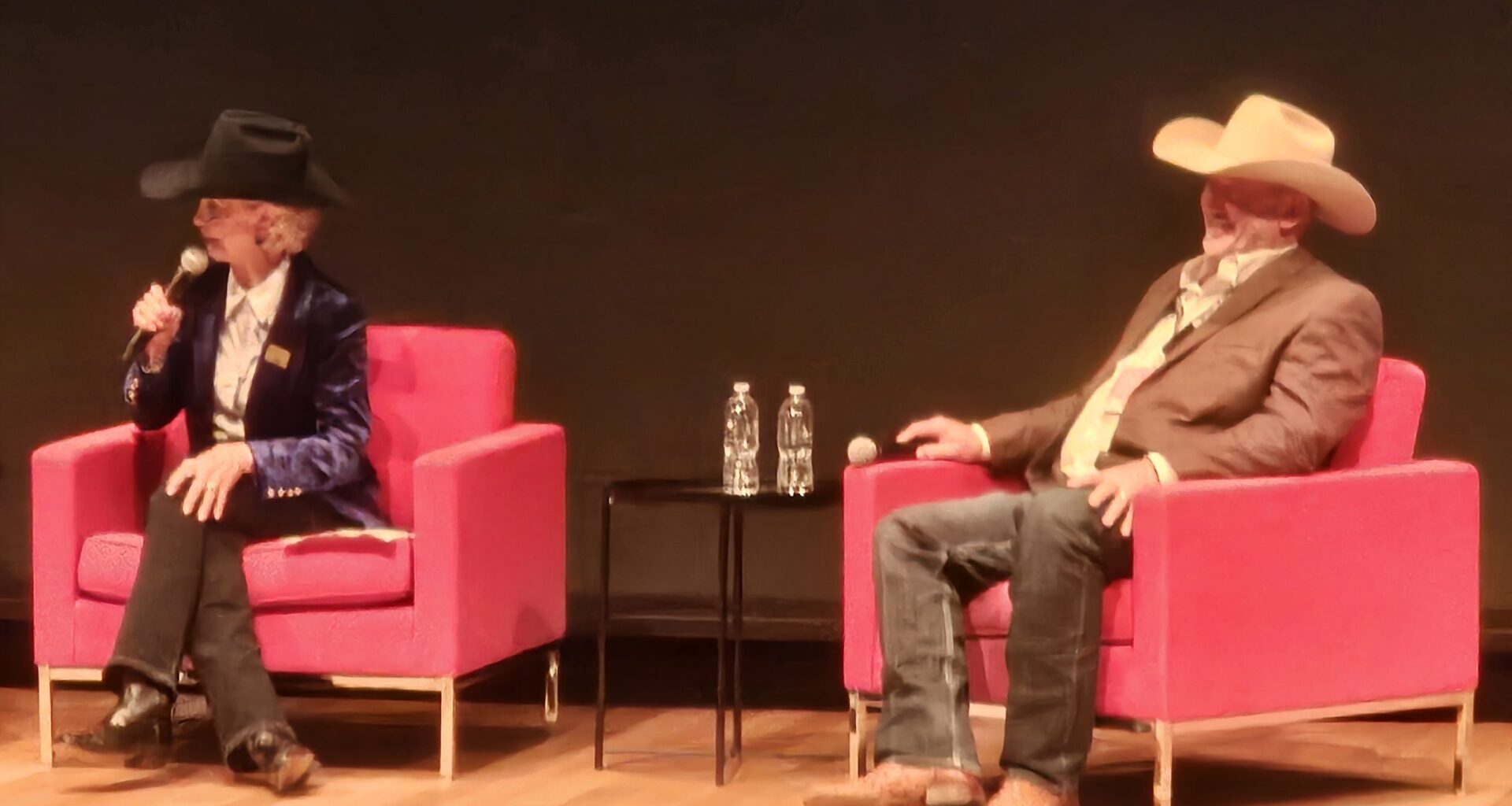
Murray was among those addressing how Western sports contribute to the city during a Fort Worth Chamber of Commerce Economic Development Forum held at the Kimbell Art Museum on Jan. 15.
Such economic impact is one reason the stock show and the city of Fort Worth supported more than $50 million in upgrades to the Will Rogers Memorial Center complex that will be on full display when the annual event kicks off Friday.
The Will Rogers Memorial Center was constructed in 1936 as part of a plan by influential business leader and former publisher of the Fort Worth Star-Telegram Amon G. Carter to present a Fort Worth alternative to the official Texas Centennial taking place in Dallas.
The competing nonofficial Texas Frontier Centennial used an advertising slogan of “Go to Dallas for education; come to Fort Worth for entertainment.”
Murray says data shows that the average stock show attendee spends about 3.9 nights in town if visiting the show and spending about $75 daily on food and beverages.
Fort Worth’s equestrian, cattle and other ranching-related events are not limited to the stock show.
The National Reined Cow Horse Association moved from California to Texas and increased its events in Fort Worth, said Emily Konkel, executive director of the association. Its two events at the Will Rogers complex are the Snap Bit Futurity and the World’s Greatest Horseman, she said.
Pam Minick, a Fort Worth businesswoman and co-owner of Billy Bob’s Texas who was emcee of the panel discussion, described the latter event as “motocross meets wrestling and then adds in a little bit of bullfighting.”
The Snap Bit Futurity event was moved from Las Vegas to Fort Worth in 2017. Both of the association’s events attract a crowd, Minick said.
“People are surprised at how many people actually come in from out of state to those events and actually make their home here for at least three weeks of that,” she said.
Kurt Crawford, director of business development for the American Paint Horse Association, noted that his group has been based in Fort Worth for some time, but a recent move to the Fort Worth Stockyards has raised its profile.
“When we were based at Meacham airport, we had about 500 people that would come to our office every year, including the FedEx person, the mailman, everybody else,” he said.
When it moved the Stockyard’s mule alley in 2020, bringing with them life-size sculptures of paint horses, the group saw between 130,000 to 140,000 visitors and received some social media exposure too, he said.
“The Jonas Brothers did a concert right there in front of the sculptures,” he said.
Western equine and rodeo events have also seen an increase in the Stockyards.
The Cowtown Coliseum, which in 2022 had about 76 events annually, has 279 planned for the next year, said Tim Long, general manager at the 118-year-old building.
“In 2022, I believe there was about $4 million in revenue from the building,” he said. This year, he expects that to hit $28 million.
Coliseum upgrades are part of the second phase of stockyard improvements planned by Fort Worth Heritage, the joint venture between Majestic Realty Co. and Hickman Companies that is redeveloping the historic area.
A challenge in making those improvements is keeping the historic components of the building that was home of the world’s first indoor rodeo in 1918 as well as a concert by famed tenor Enrico Caruso in 1920, Long said.
Iconic events continue to occur there, he added.
“If you haven’t been down there in the past couple of years, you haven’t seen the building and what it’s capable of doing,” he said. “It does a lot more than just the equine events, too. We did the Major League Baseball draft in that building last year.”
Long says he expects to see more investment in the Stockyards with visitors to the area numbering 10.4 million annually up from 3 million just a few years ago, he said.
“It’s a whole different world down there now,” he said.
Bob Francis is business editor for the Fort Worth Report. Contact him at bob.francis@fortworthreport.org. At the Fort Worth Report, news decisions are made independently of our board members and financial supporters. Read more about our editorial independence policy here.
This <a target=”_blank” href=”https://fortworthreport.org/2026/01/15/western-sports-spurring-economic-growth-in-fort-worth/”>article</a> first appeared on <a target=”_blank” href=”https://fortworthreport.org”>Fort Worth Report</a> and is republished here under a <a target=”_blank” href=”https://creativecommons.org/licenses/by-nd/4.0/”>Creative Commons Attribution-NoDerivatives 4.0 International License</a>.<img src=”https://i0.wp.com/fortworthreport.org/wp-content/uploads/2021/04/cropped-favicon.png?resize=150%2C150&quality=80&ssl=1″ style=”width:1em;height:1em;margin-left:10px;”>
<img id=”republication-tracker-tool-source” src=”https://fortworthreport.org/?republication-pixel=true&post=370003&ga4=2820184429″ style=”width:1px;height:1px;”><script> PARSELY = { autotrack: false, onload: function() { PARSELY.beacon.trackPageView({ url: “https://fortworthreport.org/2026/01/15/western-sports-spurring-economic-growth-in-fort-worth/”, urlref: window.location.href }); } } </script> <script id=”parsely-cfg” src=”//cdn.parsely.com/keys/fortworthreport.org/p.js”></script>