
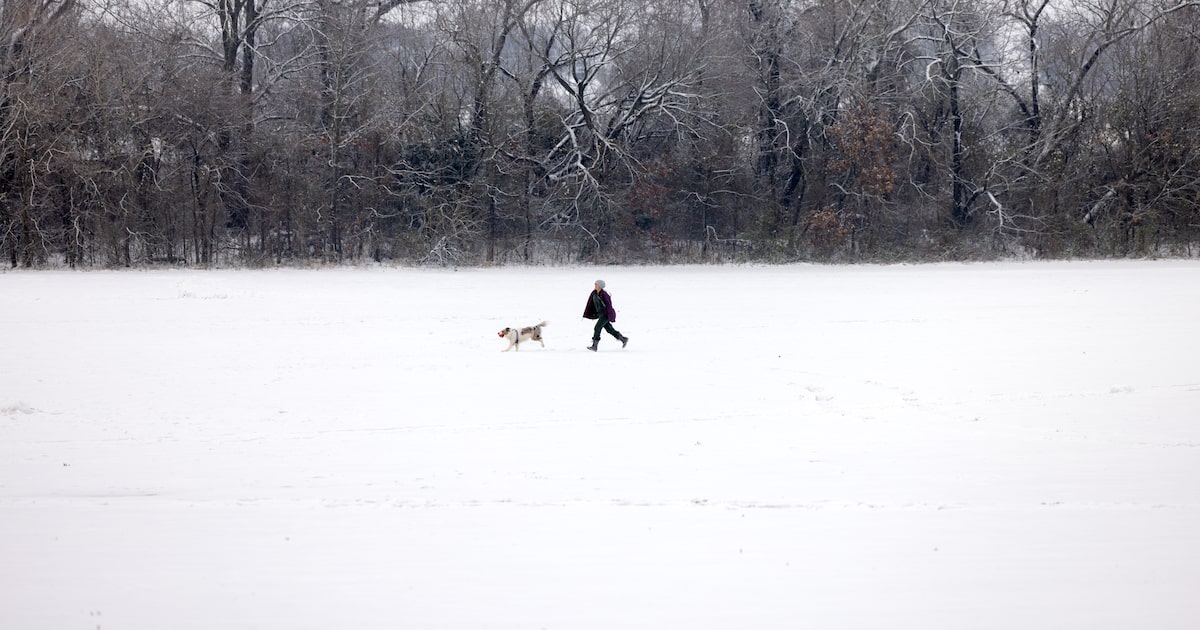
A winter storm is headed to North Texas this weekend, bringing with it the coldest temperatures of winter, following a month of record-setting heat.
An intense cold front is expected to arrive early Friday morning, which should keep temperatures falling all day. The National Weather Service’s Fort Worth office is forecasting that the temperature will hit freezing by 6 p.m. Friday night, and will not rise back above that threshold until Monday — when the high is only 34 degrees.
The front is also expected to bring rain, freezing rain, sleet and snow. Parts of Dallas-Fort Worth could see every type of winter precipitation. Here’s how to prepare for them and stay safe during this frigid weather event:
D-FW Weather Wise
Before the freezing temperatures arrive, it’s important to prepare your home to avoid the worst impacts. Pipes can burst as a result of water freezing and expanding inside the pipe, which can put enough pressure on the pipe material to cause it to break or crack.
To protect your pipes, experts recommend insulating or wrapping pipes, particularly in unheated areas of the home like basements or attics. Garden houses should also be drained and removed from outdoor faucets. Those faucets should also then be covered or wrapped.
During the freeze, it’s recommended to keep cabinet doors open to allow warm air to circulate around the pipes, as well as dripping the sink to keep a consistent flow of water moving through the pipes.
If your pipes do freeze, it may be possible to address the problem on your own. Burst pipes will almost always require a plumber.
Related
Potted plants have the best chance of survival if you’re able to bring them indoors. For plants directly in the soil, experts suggest avoiding watering when sufficient moisture will be present from rain, snow or sleet (like this weekend).
The risk to plants from freezing temperatures varies by species. Winter color like pansies, violas and ornamental kales can be killed by the cold unless they’re protected. Other hardier plants may still lose leaves to the freeze, but roots should survive and allow the plants to re-sprout and bloom again once temperatures warm.
To cover plants, use old bed sheets, towels, or any kind of textile fabric. Gardeners warn against covering plants with clear or translucent plastic, as it can magnify the sun shining through and burn leaves.
Prepping your car and driving with ice
An emergency pack in your car can be essential if you get stranded during the winter weather. Those should include blankets, water, a change of clothes, non-perishable snacks, a flashlight, a first aid kit, an ice scraper, jumper cables and a portable phone charger.
If you need to drive during the sleet or snow, check road conditions first.
Once you’re driving, it’s recommended to leave extra space between your car and those around you in case someone loses control. If you come across ice and start to slide, ease off the gas or brake. Continue to steer into the direction of the skid until you regain traction before straightening your vehicle.
Many fireplaces may also be getting their first use of the season this weekend. It’s important to clean the fireplace of debris regularly, and to have your chimney checked once a year by a professional for excess debris.
During the coldest days, fire departments say that a natural gas starter shouldn’t be used without some sort of fuel. Exhaust fumes could build up in the house if the fire is too small to direct them up the flue. Similarly, burning plastics and other trash in indoor fireplaces can put off toxic smoke.
Finally, keep anything that could burn at least three feet from the fireplace and use a fireplace screen to avoid sparks starting a larger blaze.