
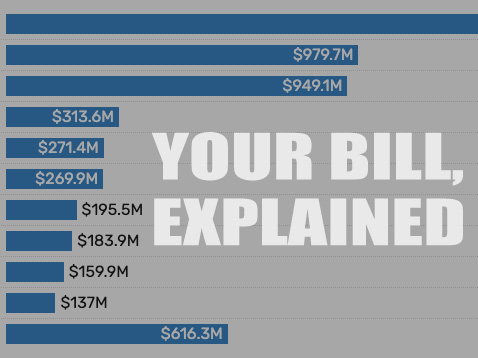
Cities also receive a portion of property tax revenue, which supports police and fire departments, road maintenance, parks, libraries and other municipal services. Travis County uses its share to fund the sheriff’s office, county courts, public health programs, roads and social services that serve residents countywide.
In addition, many property owners pay taxes to special districts, such as hospital districts, community college districts, emergency service districts or utility districts. These entities help fund health care access, higher education, fire and EMS services, water infrastructure and flood control.
Altogether, property tax revenue in Travis County supports more than 100 separate taxing units, reflecting the layered nature of local government.
Residents who pay taxes after Jan. 31 will begin accruing penalties and interest starting Feb. 1, according to the Travis County Tax Office. For those wondering what their tax dollars support, the annual bill offers a snapshot of how local services are funded — and why paying on time matters to the communities those dollars sustain.
Property owners who have an approved homestead exemption because they are at least 65 or struggling with a disability exemptions can defer payments for as long as they live at the property though under state law those unpaid tax bills will accrue 5% interest annually. (Homestead exemptions are a legal provision meant to help certain types of homeowners pay lower taxes on their properties.)