
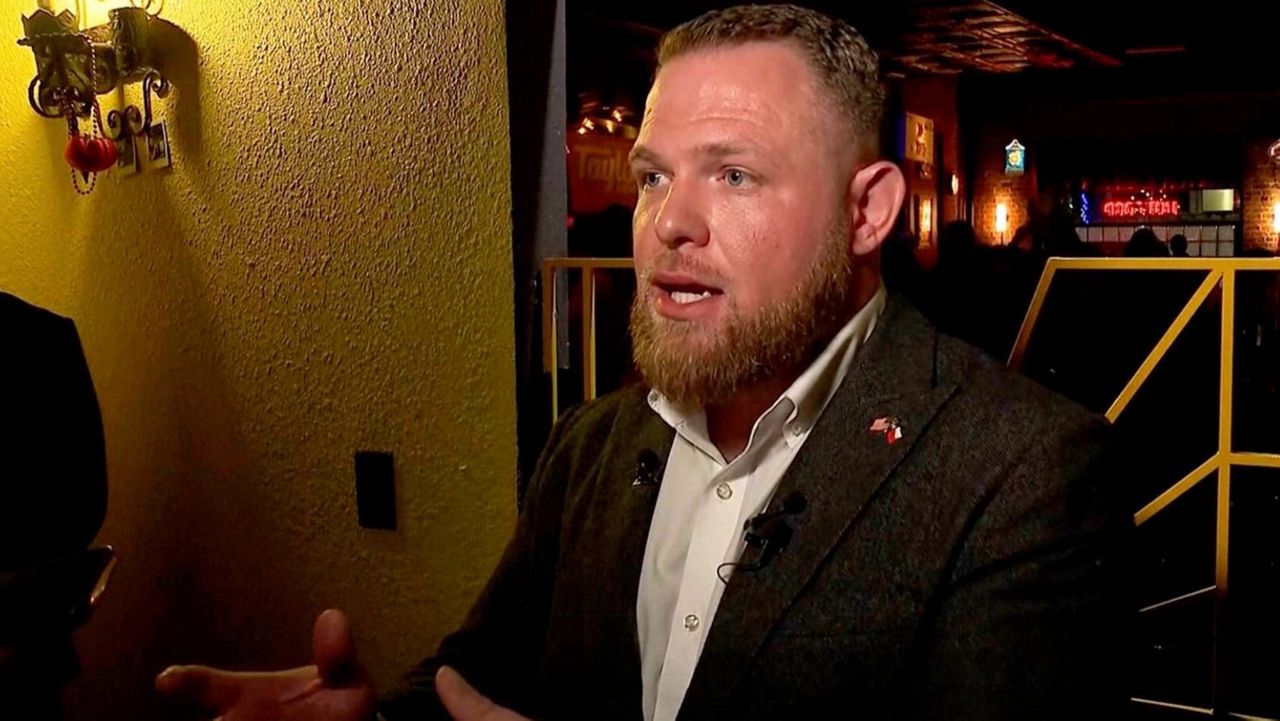
TARRANT COUNTY, Texas — Hopes of a “blue wave” in Texas come November were heightened on Saturday as Democrat Taylor Rehmet cruised to victory in the race for a Texas Senate seat in a solidly Republican district, which President Donald Trump won by 17 points in 2024.
In the runoff of the special election held to fill the remaining 11 months of Acting Comptroller Kelly Hancock’s term representing Senate District 9, labor union leader and veteran Rehmet beat conservative activist Leigh Wambsganss by over 14 percentage points—handing Republicans a shocking defeat heading into the 2026 midterms.
In an interview with Capital Tonight, Rehmet attributed his victory to building a broad coalition of voters by appealing to rising discontent with the cost of living and personally reaching out to people to win them over.
“This campaign is about helping people that are struggling,” Rehmet said. “We need to find ways to help the bottom line of those that are clocking in early, staying late, and keeping our state running.”
The upset follows Democratic wins in Virginia and New Jersey in November 2025, which had already stoked worry among Republicans across the country.
In November, Rehmet came just 3 percentage points away from winning the Tarrant County seat outright in the first round of voting, resulting in a massive fundraising push from the GOP to support his opponent.
Despite being outspent 10-to-1 and three last-minute get-out-the vote campaigns for Wambsganss from President Donald Trump himself, Rehmet trounced on Republicans’ hopes of extending their decades-long hold on the Fort Worth-area seat.
Rehmet said that he could be outspent but not outworked. Over the course of the campaign, his team knocked on over 40,000 doors, working to connect with voters across the district. He also said he paid particular attention to the traditionally “underserved” Latino voters on the Northside of Tarrant County.
“You can’t just buy elections; it takes hard work,” he said. “I had labor behind me, so I knew I was good.”
Rehmet’s win has set off alarm bells for Republicans statewide and in Washington. On Sunday, Trump appeared to distance himself from the race, denying his involvement despite previous endorsements, while Republican Texas Lt. Gov. Dan Patrick said the results should serve as a “wake-up call.”
“I think that Republicans in Texas right now are fighting each other a lot more than they are reaching out to voters,” Zachary Miller, a University of Texas at Austin School of Law student and Tarrant County resident, said. “They should come together around an affordability message that resonates with voters in order to connect with people.”
In order to serve a full four-year term in the Senate, Rehmet will have to beat Wambsganss again in the general election in November, where there will likely be higher voter turnout and more names on the ballot. Rehmet says he has beaten her twice before, and he is confident he can do so again.
“It gets easier whenever you’re having fun and you’re able to actually connect with voters by listening to them, not talking at them, and by finding out the real issues that this community needs,” he said.
In a concession statement posted to X, Wambsganss said, “I fully expect the results to be different” come November.
“Whoever the Republican candidate for Senate is going to be, will be at the top of the ticket. That person will drive enough people out for Senate District 9 to bring Wambsganss over the finish line,” Miller said. “Republican primary voters need to make sure that they’re picking candidates who can actually sell a message to the voters in their district and not just rely on endorsements from Gov. Abbott, Lt. Gov. Patrick and from Donald Trump.”
Rehmet says part of what made his campaign so successful was listening to voters and not playing into campaigns of outrage and partisan politics.
“That stuff is a distraction because the folks that are at home working to feed their kids and they’re working two jobs, they don’t have time to fall into all these cultural war issues,” he said. “So we need to meet them where they’re at, focus on lowering costs and helping their bottom line,”