
AUSTIN, Texas — Marking 100 years of Black History Month can come with complex emotions in a state like Texas.
Alongside many other southern states, Texas harbors a past of slavery and segregation. Enslaved people in Galveston were the last to know of their freedom.
But the Lone Star State is also home to rich, significant Black culture and achievements. Famous politicians like Barbara Jordan and international superstars like Beyonce came from Texas. And those Galveston slaves learning of their emancipation led to the Juneteenth holiday.
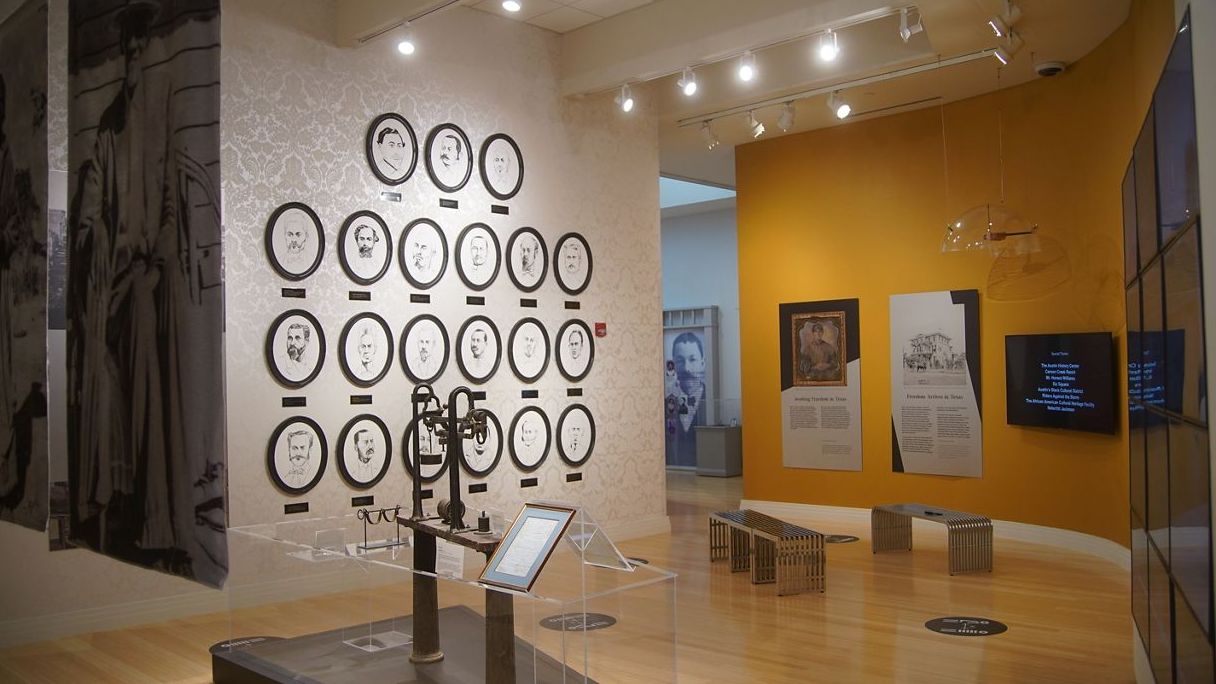
The George Washington Carver Museum in Austin honors and teaches both sides of Black history all year long, but things ramp up a bit during Black History Month — especially when marking this year’s centennial milestone.
The museum, which opened in 1980, is presenting a variety of events throughout February, including a kick-off block party, gospel performance, Guinean dance workshop, kid’s day, movie screening and panels featuring representatives from Historically Black Colleges and Universities (HBCU).
“If you don’t take the time to study and honor the past, you’re doomed to repeat the mistakes, so we take that very seriously here,” said Christine Pasculado, a non-Black Filipino ally who serves as the museum’s marketing and public programs supervisor. “But it is also a celebration of… all the ways in which Black Americans really shaped the culture of our country. In many ways, we see their contributions as a baseline.”
Enduring federal changes
Aside from the centennial, this year’s Austin celebrations are significant for another reason: it’s the first Black History Month since the city lost National Education Association (NEA) grant funding in May. These budget cuts from the Trump administration impacted arts organizations under the city’s government, including the Carver Museum.
Pasculado said the changes that followed are a “delicate topic.” The museum received a list of words it couldn’t use in marketing and communications. One of the words was “Black.”
“We as an institution recognize that this is not the first time communities of color have been censored,” Pasculado said. “This is not the first time communities of color have had to strategize with communication around mobilization, around education.”
The museum’s team of writers and researchers had to adapt and adjust their language without sacrificing programming and exhibitions, Pasculado said. She likened it to Black spirituals, which were Gospel-rooted songs coded with instructions on how to escape slavery.
“Everything that the administration is putting us through as a people, as a community — it’s all been done before,” Pasculado said. “We definitely chose to stand 10 toes down. We chose not to fall back or cower.”
Dance, education and song in Austin
Now, Pasculado and her team are about to enjoy the fruits of their labor with their first two Black History Month events: a gospel performance Thursday evening and a kick-off block party Saturday from noon to 6 p.m.
On Feb. 13, the museum will host a screening of “Sylvie’s Love,” followed by HBCU Day on Feb. 14 and a Guinean dance workshop and performance on Feb. 19. The month’s celebrations will conclude with Carver Kid’s Day and a genealogy seminar, both on Feb. 28.
“I also have to give a shout out to Kid’s Day because it’s just so rambunctious and crazy. It’s like energizing,” Pasculado said. “When you see children and the joy and then you realize that’s because the Carver team works super hard and now these kids are inspired — who knows what they’re going to go do after this?”
Pasculado encourages everyone to show up for both the museum’s events and their Black neighbors with a mind attuned to learning.
“It might be scary. It might be kind of weird to know that your white ancestors may have done this that or the other,” Pasculado said. “But you’re not them, and if you’re willing to make that change and learn and grow, that’s only helping everyone. That’s helping the cause.”