
Brandon Bell | Getty Images
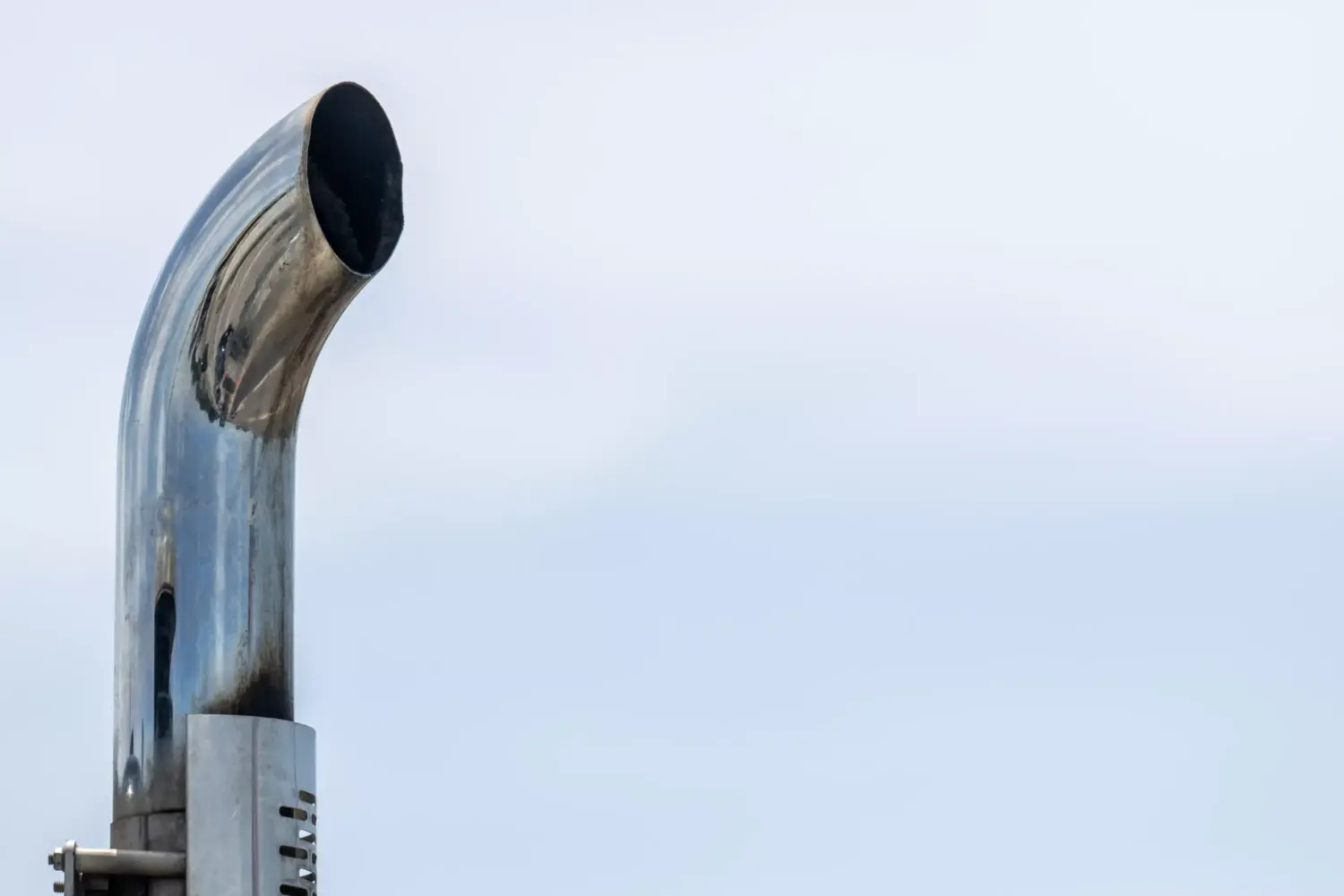
An exhaust pipe atop a truck in Austin, Texas. Under the Trump administration, the Environmental Protection Agency is seeking to repeal past findings that greenhouse gas emissions pose a threat to public health.
Local environmental advocates are raising concerns about the Environmental Protection Agency’s rollback of a 2009 “endangerment finding” that classified greenhouse gases as a public health threat.
The endangerment finding allowed the federal government to regulate greenhouse gases under the Clean Air Act.
“It’s a cornerstone regulation for federal climate protections,” said Dr. Inyang Uwak, the Research and Policy Director at Air Alliance Houston.
Sign up for the Hello, Houston! daily newsletter to get local reports like this delivered directly to your inbox.
Uwak said scientific research has confirmed that greenhouse gas emissions can create negative health impacts. She added that revoking the endangerment finding could have far-reaching consequences in major cities like Houston with lots of traffic, where cars emit greenhouse gases.
“I think it’s a disservice to public health,” she said. “It’s a disservice to American workers.”
Air Alliance Houston Executive Director Jen Hadayia also condemned the rollback.
“The Houston area is the petrochemical capital of the world and is facing massive decades-long freeway expansions,” she said in a news release. “We are already exposed to carbon dioxide, nitrous oxide, particulate matter, and ozone precursors at levels that far exceed what is healthy, which is exactly why we need the vehicle emissions standards and other rules that the Endangerment Finding requires.”
Speaking on Houston Matters on Monday, Rice University Environmental Law professor Jim Blackburn said he disagrees with the Trump administration’s decision to rescind the endangerment finding. However, he said many major companies will likely continue to work to curb their emissions because of long-term benefits.
“The pathway to making more money in the future will be to be climate sensitive, to have a lower carbon footprint,” he said. “And I think that’s going to be, frankly, the watchword of business in the future.”