
With no major rain forecast for three months, Corpus Christi is nearing water curtailment and weighing new supply options like Evangeline.
CORPUS CHRISTI, Texas — The City of Corpus Christi is staring down a dry forecast and a critical vote on how to secure its water future.
City Manager Peter Zanoni says the National Weather Service is not projecting any major rain events over the next three months. That puts the city on track for possible water curtailment in November.
With that deadline looming, City Council is being asked to approve hundreds of millions of dollars in water infrastructure projects during its Tuesday meeting.
City officials say these projects represent the only viable options currently on the table.
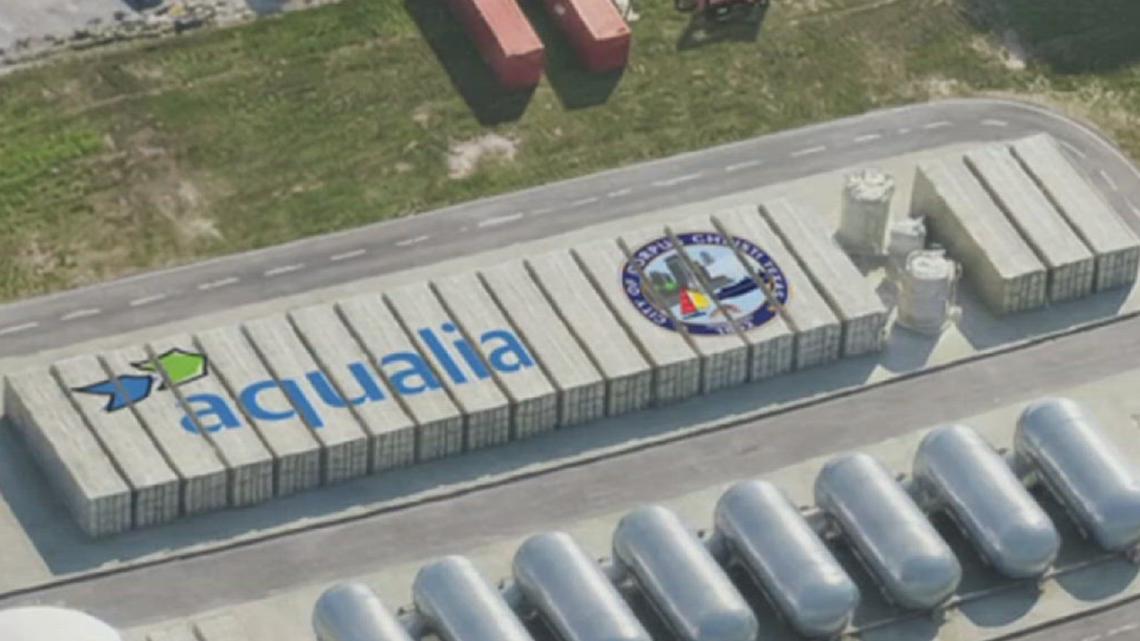
At the center of the plan is a proposed $175 million reverse osmosis plant. The facility would be built at the O.N. Stevens Water Treatment Plant in Calallen and would treat high-salinity groundwater for use in the city’s system.
Corpus Christi Water Chief Operating Officer Nick Winkelman says the modular design of the plant allows parts of the system to come online sooner rather than waiting for full completion.
The $175 million price tag also includes 13 miles of pipeline connecting the plant to the city’s third well field under development along the Nueces River.
Zanoni says the wells themselves are expected to be drilled well before November, potentially delivering between six and ten million gallons of water per day ahead of the reverse osmosis plant becoming operational.
That groundwater contains high levels of total dissolved solids, but city officials say it would be blended with treated water at the Stevens plant to meet standards.
In addition, City Council is being asked to approve another $195 million for design and construction work tied to the Evangeline Aquifer project.
That project is not without controversy. A preliminary hearing is scheduled for March 2 to determine whether the cities of Sinton and St. Paul have legal standing to challenge the project. Both cities are contesting the plan, which would ultimately send about 24 million gallons of water per day to Corpus Christi.
City leaders say Tuesday’s vote is critical, warning that delaying decisions could limit the city’s ability to respond if drought conditions worsen.