
A second state test shows elevated arsenic levels in a Robstown-area water system, but local water officials say their independent results prove the water is safe.
CORPUS CHRISTI, Texas — State officials say a Robstown-area water system could soon face its second drinking water violation after a recent test again showed arsenic levels above the federal safety limit.
The Texas Commission on Environmental Quality told 3NEWS it “anticipates issuing a first quarter 2026 maximum contaminant violation soon.”
But local water officials with the Nueces County Water Control and Improvement District #3 say their own independent testing shows the water is safe to drink, and they argue they did not have enough time between state-administered tests to show improvements.
In Robstown, water quality discussions have taken center stage after the Texas Commission on Environmental Quality, or TCEQ, reported a test showed arsenic levels over the federal safety limit. State officials say a second test still shows over the limit.
Marcos Alaniz, District Manager with the Nueces County Water Control and Improvement, said that can be misleading without looking at the timing of the tests.
“Even though quarters are every three months, these two tests were taking one and a half months apart,” Alaniz said. “When I find out about the December tests, the January test was already taken.”
Alaniz said his team immediately jumped into action after receiving the first violation.
“We’ve done some private testing, and those results have come back to where they show that what we’re doing is working,” Alaniz said.
The TCEQ confirmed the testing timeline in a statement to 3NEWS, saying: “The system most recently had arsenic samples collected on January 29, 2026… TCEQ is evaluating first quarter (January – March) 2026 compliance for the system and anticipates issuing a first quarter 2026 MCL violation soon.”
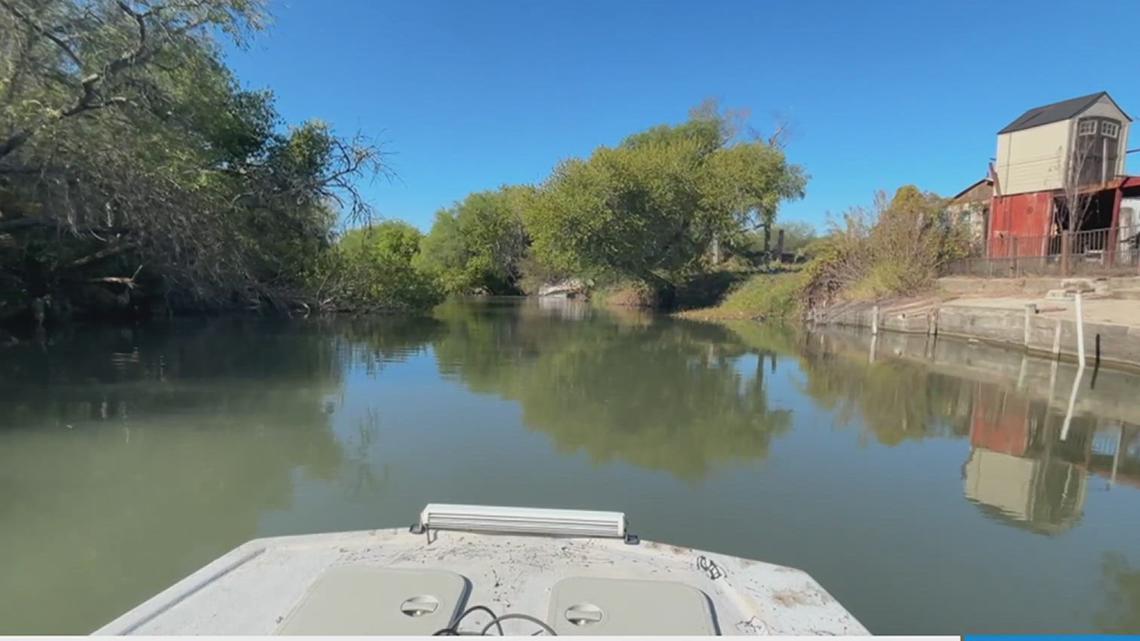
Alaniz said one measure the district has taken is changing how water is transported from the Nueces River to the treatment plant. He added they’ve also continued doing independent testing every week that now show lower levels.
“Transport to bring the water from the river to our water plant. And we’re changing how we blend that water,” Alaniz said.
Alaniz also said that current drought conditions are contributing to the challenge.
“I believe that 100%, that the drought has everything to do with what we’re going through,” Alaniz said. “To treat it, it’s going to get harder for us.”
Alaniz said he wants to assure community members that the district’s water is safe to drink.
“We’re trying to be transparent, we’re trying to do what we can to make sure that public health is number one for us,” Alaniz said.
The next quarter begins in April, and the TCEQ is expected to conduct its next test sometime between April and June.