
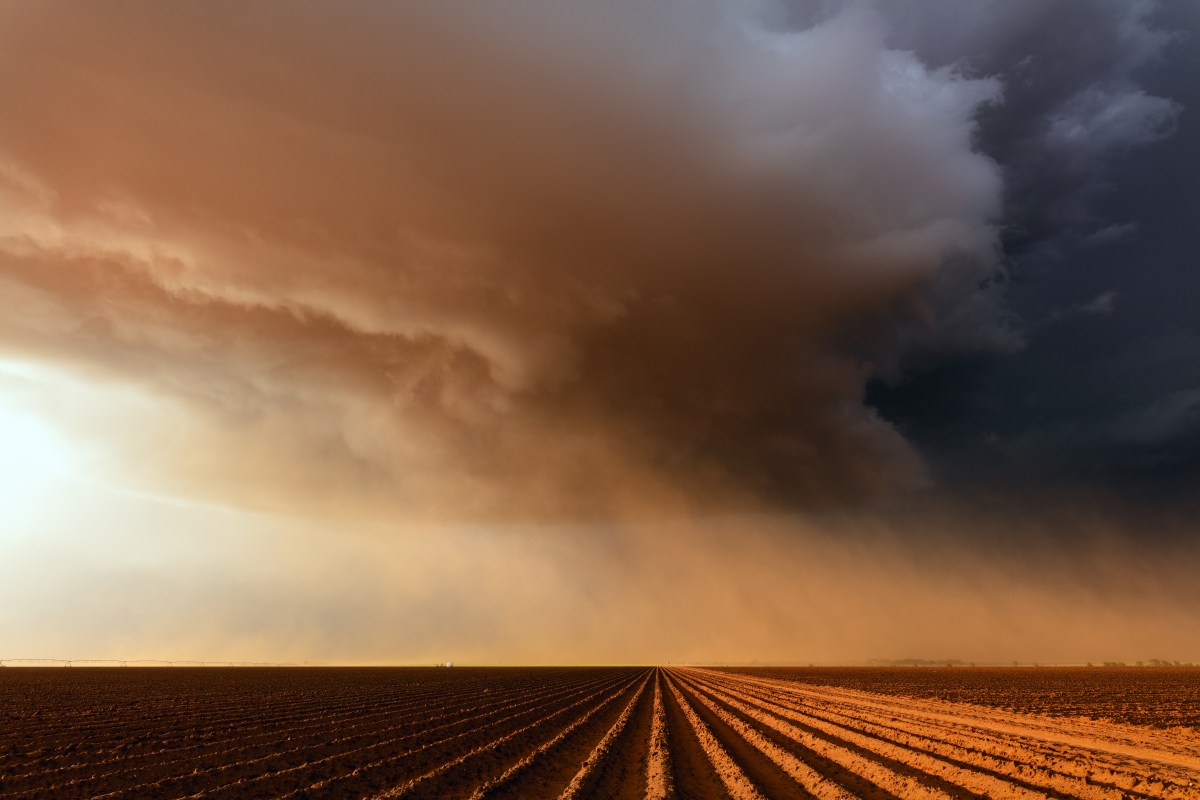
Unhealthy air quality readings were detected in El Paso, Texas, on Friday afternoon, according to monitoring from the Environmental Protection Agency (EPA).
The Air Quality Index (AQI) for El Paso was reported at 182, which is considered an “unhealthy” level in which “some members of the general public may experience health effects,” according to the EPA.
The primary pollutant was identified as PM10, a type of air pollutant made up of particulate matter that is 10 micrometers in diameter or smaller. These particles are small enough to be inhaled into the upper respiratory system but large enough to come from visible dust sources. Common pollutants include dust, ash, mold, and pollen.
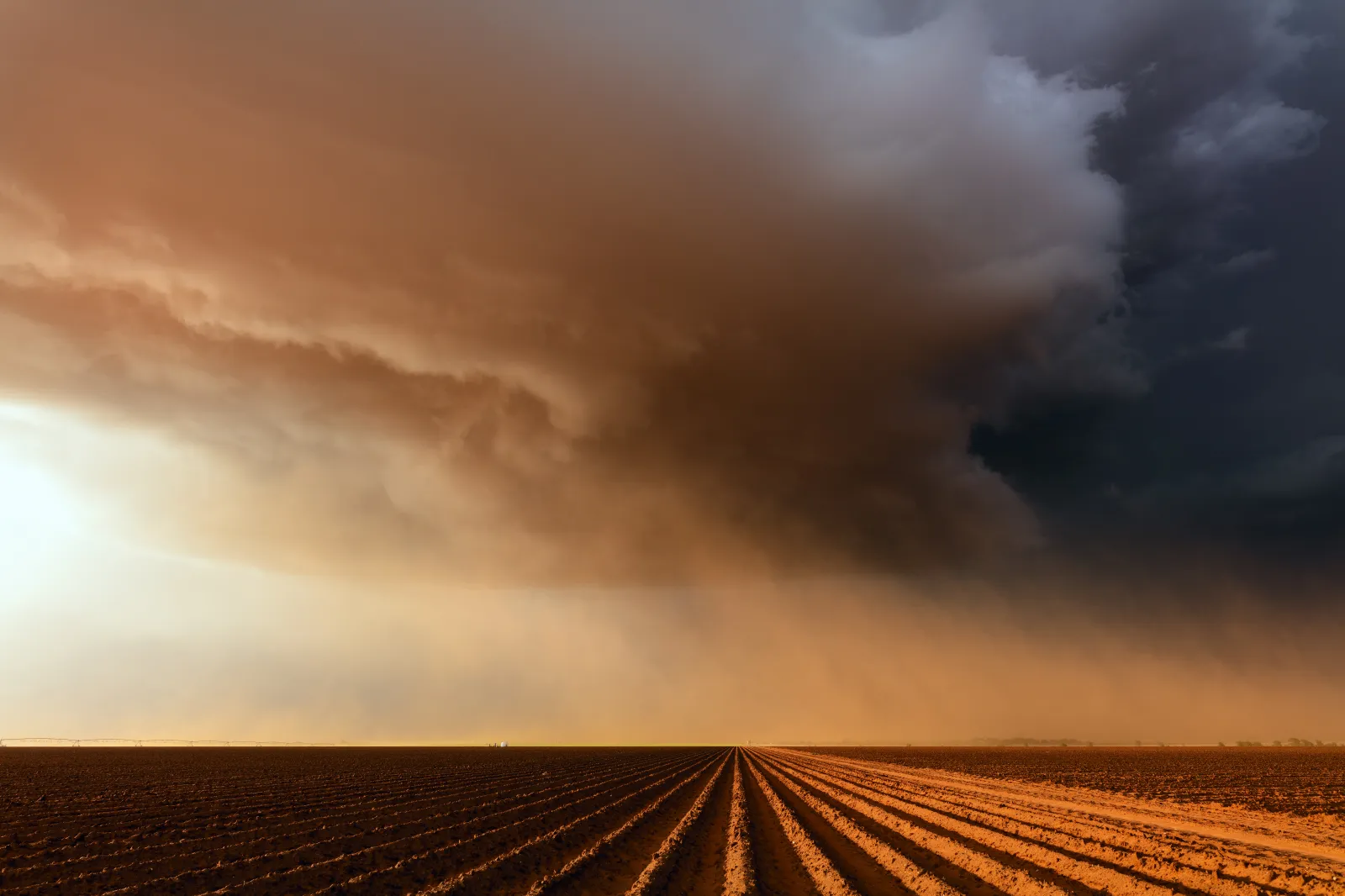
Although the EPA website didn’t specify which of these pollutants was affecting the air quality in El Paso, the National Weather Service (NWS) office in El Paso warned of “areas of blowing dust” caused by strong winds that could develop within its forecast region on Friday afternoon.
Newsweek reached out to the EPA by email for comment.
Other websites that monitor air quality, such as AccuWeather and Weather Underground, also showed poor air quality in El Paso, although the exact AQI levels varied. For example, AccuWeather reported levels worse than the EPA, at an AQI of 155.
“Health effects will be immediately felt by sensitive groups and should avoid outdoor activity,” AccuWeather said. “Healthy individuals are likely to experience difficulty breathing and throat irritation; consider staying indoors and rescheduling outdoor activities.”
Meanwhile, Weather Underground detected a lower AQI of 101.
“Children, older adults, and people with lung disease should avoid outdoor exertion,” the website said.
 What Is AQI?
AQI categorizes pollution into six health‑based ranges:
0–50: Good — Safe for outdoor activity.51–100: Moderate — Acceptable, but unusually sensitive individuals may notice effects.101–150: Unhealthy for Sensitive Groups — Older adults, children, and those with lung or heart conditions should limit prolonged outdoor exertion.151–200: Unhealthy — The general public may begin experiencing health effects; sensitive groups could have more serious symptoms.201–300: Very Unhealthy — Health alert issued; everyone should reduce outdoor activity.301+ Hazardous — Emergency conditions; the entire population is likely to experience severe health impactsWhat the Public Should Do at Higher AQI Levels
With El Paso approaching the upper levels of AQI, public health officials recommend the following:
Unhealthy (151–200): Limit outdoor exertion; sensitive groups should move activities indoors.Very Unhealthy (201–300): Avoid outdoor activity entirely; consider using indoor air purifiers.Hazardous (301+): Stay indoors with windows closed, use filtered air, avoid physical exertion, and follow emergency guidance from local authorities.
Looking ahead, the EPA anticipates air quality will be “good” in El Paso on Saturday.

In a polarized era, the center is dismissed as bland. At Newsweek, ours is different: The Courageous Center—it’s not “both sides,” it’s sharp, challenging and alive with ideas. We follow facts, not factions. If that sounds like the kind of journalism you want to see thrive, we need you.
When you become a Newsweek Member, you support a mission to keep the center strong and vibrant. Members enjoy: Ad-free browsing, exclusive content and editor conversations. Help keep the center courageous. Join today.
