
By Erika Gonzalez
Photography By Erika Gonzalez
Reporting Texas
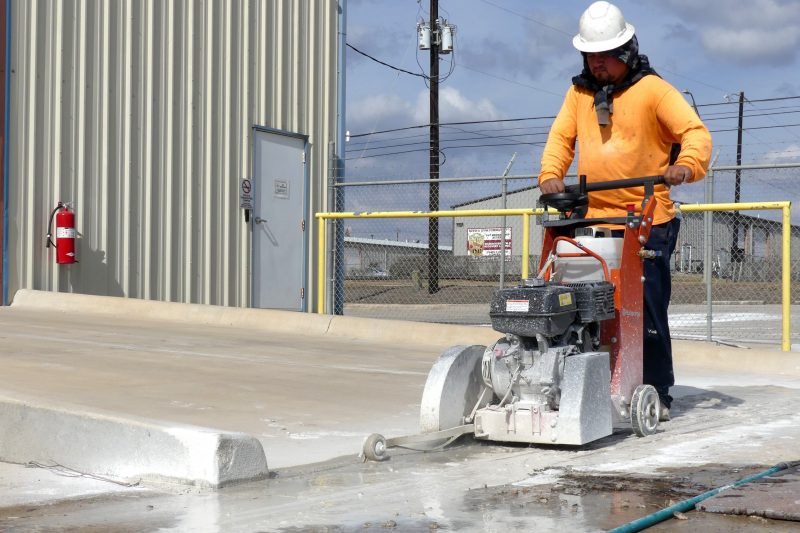
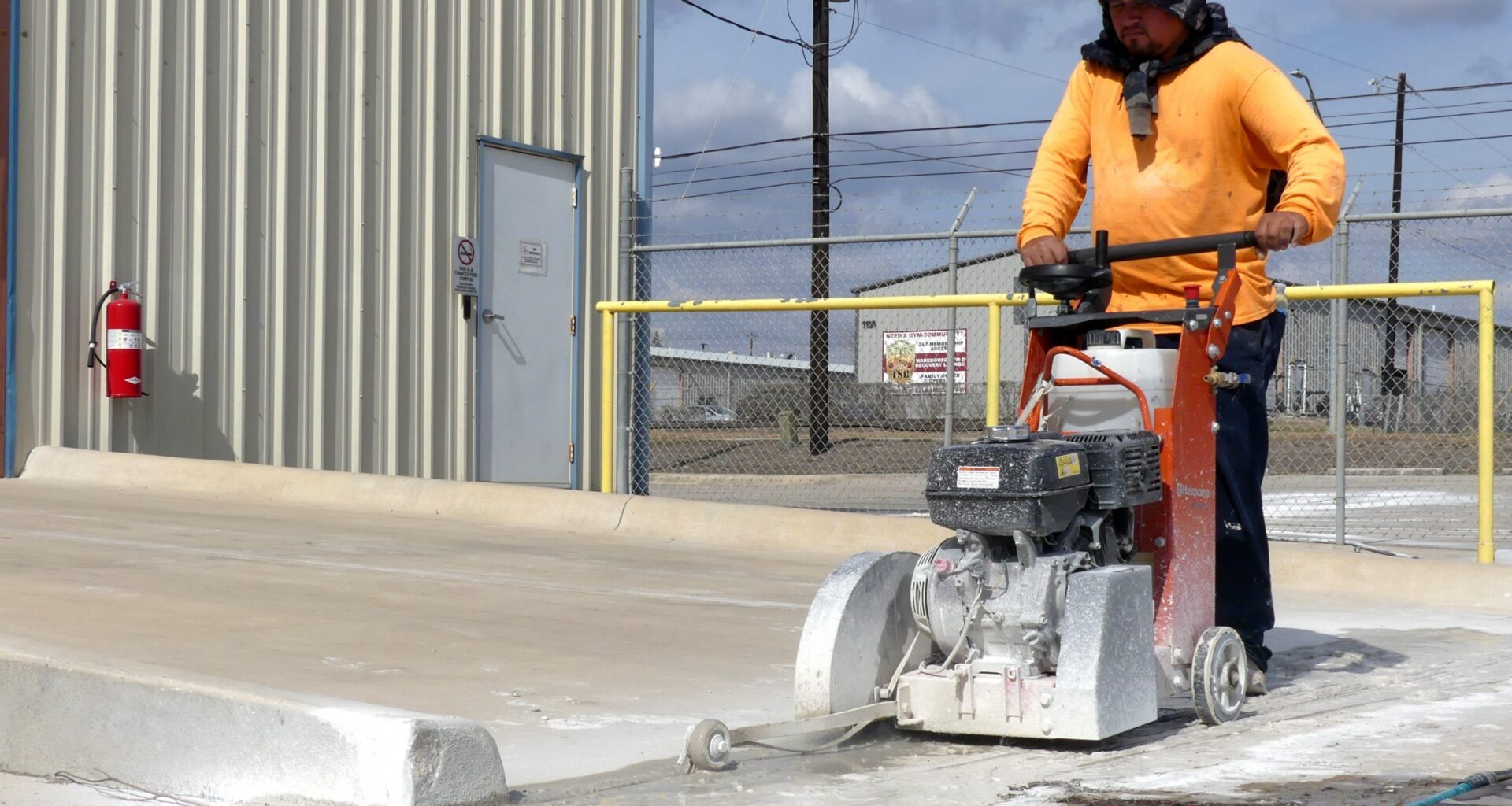
Armando, a worker with Central Texas RR Construction, works on a job site in Kyle. Erika Gonzalez/Reporting Texas
Early in the morning, Benny Meléndez, owner of the residential construction company BM3, called one of his workers who hadn’t arrived at the job site in the Rio Grande Valley, where they were supposed to pour concrete that day.
After several calls went unanswered over the next hour, he received the news he feared.
“Come. ICE just took him,” the worker’s wife said.
The employee had been part of his team for several months but did not have legal authorization to work in the United States. His visa had expired, and he did not have legal status at the time of his detention.
According to Meléndez, the detention happened off the construction site while the worker was heading to another task related to the project.
“He was the first one that affected me directly,” Meléndez said. “Then they took two more workers.”
In recent weeks, contractors across South Texas have reported immigration operations near construction sites, with workers being detained while arriving or leaving.
The fear is spreading.
“You’re always afraid,” said Juan Carrasco, a builder in Austin. “It’s like flipping a coin. It could happen to you or not. I keep working, hoping it won’t happen, even though I know it can.”
In June 2025, U.S. Immigration and Customs Enforcement arrested 25 workers at two construction sites in Brownsville and South Padre Island, according to an ICE statement. In West Texas, nine people were detained in January during a raid at a Midland construction site, according to local news reports.
Isaac Smith, co-owner of Matt’s Building Materials, which has locations in Pharr, San Benito, Palmview and Harlingen, said immigrant labor is essential to keep projects on track and that the recent arrests are affecting many workers and businesses.
“All trades — foundations, concrete, carpentry, drywall, painting, stucco, roofing, electricity, plumbing — depend heavily on immigrant workers, many of them undocumented,” he said.
Construction and Its Impact on Economic Growth
Mario Guerrero, executive director of the South Texas Builders Association, said the construction industry is a key driver of the state’s economy, boosting employment, investment and residential development across Texas.
“Construction is the backbone of the economy; it always has been,” he said. “But here in South Texas, nearly 10,000 people have been detained. If this continues, everything will get worse.”
The Texas Workforce Report 2024–2025 shows that construction jobs in Texas reached nearly 913,000 in the first quarter of 2025, a 4.8% increase from 2024 and a 13.4% rise over the past five years.
The report projected continued growth, with a forecasted increase of 10.7% jobs between 2022 and 2032, creating the need for about 82,000 additional workers in the next decade.
“Between 2023 and 2024, more than half of Texas’ population growth came from immigration,” said Lloyd Porter, the state demographer. “The construction industry relies on that workforce to sustain urban and residential growth.”
Porter explained that the industry faces high demand, worker shortages and financial pressure, making construction one of the sectors most sensitive to changes in immigration and labor policy.
Smaller Crews and Project Delays
The owner of a construction company in the Rio Grande Valley, who asked not to be named for fear of regulatory or business repercussions, said that starting in March, several of his subcontractors began showing up with fewer workers.
“They came with half the team,” the contractor said. “That’s when we understood that the raids were directly affecting the job sites.”
Eric Jiménez, a builder in Dallas, said many workers are afraid to leave home or go to work for fear of being detained during immigration operations.
“Many don’t go out on weekends because of fear,” Jiménez said. “Last week, two were stopped at a gas station and asked for their papers. It causes panic.”
According to the Valley contractor, immigration authorities have conducted operations near construction sites and detained workers while they were in work trucks. Since then, he said, residential activity in the area has slowed by 30% to 40%.
“A house that used to take four months now can take seven or even nine,” the contractor said.
Meléndez agreed that the delays affect timelines and financial commitments.
“We have projects that were supposed to be delivered this summer and now are weeks or even months behind,” Meléndez said. “When you don’t have full crews, everything moves slower.”
The economic impact is also seen in loans and financing. Guerrero said construction loans have decreased by 30% over the past year, while suppliers struggle to schedule crews and deliver materials on time.
“We don’t think businesses and the economy can sustain this,” Guerrero said. “We need an immediate halt to enforcement measures at construction sites.”
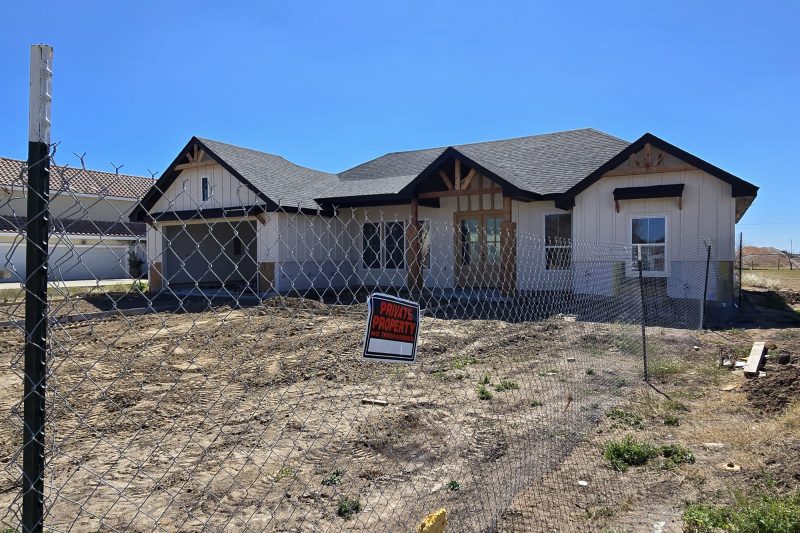
A residential construction project by the Benny Meléndez team in South Texas remains unfinished and two months behind schedule. Erika Gonzalez/Reporting Texas
From Job Sites to the White House
In response to the impact of immigration raids on the construction industry, representatives of the South Texas Builders Association traveled to Washington during the week of Feb. 9–15 to meet with federal officials at the White House and with members of Congress.
Guerrero said the goal was to show the challenges facing Texas: labor shortages, project delays and growing concern in the financial sector over the slowdown in new construction.
“We were able to show what we are seeing here in South Texas and make them aware of our concerns,” Guerrero said.
The meetings did not produce immediate changes to immigration policy or new sector-specific measures. Guerrero described them as productive but acknowledged that no concrete commitments have been made.
The federal government continues to prioritize immigration enforcement. In February statements to Newsweek, White House spokeswoman Abigail Jackson said the administration does not believe the U.S. faces a structural worker shortage.
“The president’s agenda to create jobs for American workers represents this administration’s commitment to capitalize on untapped potential while fulfilling our mandate to enforce immigration laws,” Jackson said.
Next Steps for Jobs and Law
Association leaders said dialogue with the federal government will continue in the coming weeks. Guerrero said he will return to Washington this week to follow up on discussions and raise the sector’s concerns again.
For now, the industry is waiting for clear decisions, with no certainty on whether changes will be made to how immigration policies are implemented at active construction sites.
Meléndez said in the upcoming meetings his group hopes to get more clarity on how immigration measures will be applied in the construction sector and whether there is room for mechanisms that allow job stability without violating existing laws.
“Construction is the strength of our economy and our community,” Meléndez said. “If they attack us, it affects everyone. That’s why we will keep fighting, for our people and for our work.”