
Fort Worth city leaders approved $860K for retractable bollards on East Exchange Avenue to protect growing crowds
FORT WORTH, Texas — Fort Worth city leaders have approved $860,000 in new funding for traffic safety improvements in the historic Stockyards district, aiming to better protect pedestrians along one of the area’s busiest corridors.
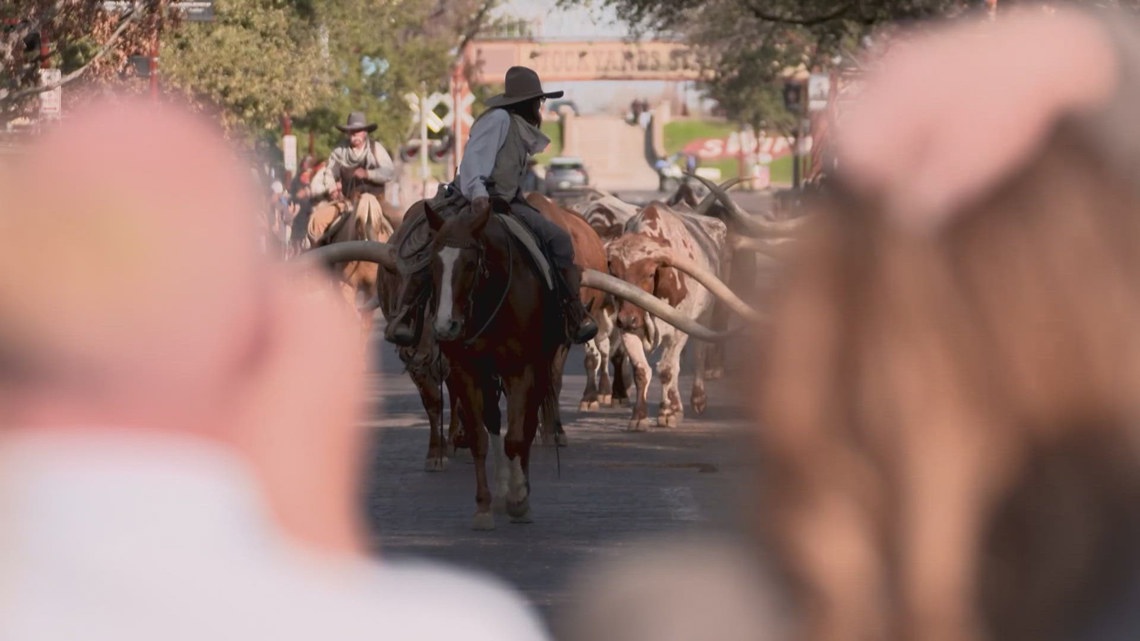
The project targets East Exchange Avenue from North Houston Street to Packers Avenue, a stretch that draws large crowds for daily cattle drives, live music, and weekend nightlife.
The funding comes from multiple sources, including the Crime Control and Prevention District Capital Projects Fund, the General Capital Projects Fund, and the Public Events Capital Fund.
The objective is to enhance pedestrian safety by installing retractable traffic bollards. The barriers would allow the city to restrict vehicle access and convert the street to pedestrian-only when necessary.
Paul Paine, President of the non-profit Fort Worth Stockyards Inc., said the district’s rapid growth prompted the move.
“As we’ve experienced that growth, we’ve talked about the safety,” Paine said. “It’s very critical. We’re trying to stay in front of it.”
Paine said the bollards are still in the design phase but will be retractable, meaning city officials can close the street to vehicle traffic during large events or peak tourism periods.
“That means a whole street can go pedestrian only,” he said.
Construction could begin as early as next month.
The Stockyards, originally built for cattle drives and livestock trading, now attracts millions of visitors each year. On busy Friday and Saturday nights, East Exchange Avenue often fills with pedestrians, many of whom walk in the street.
Brandon Bartholow, who lives nearby and frequents the area, described the scene as energetic but unpredictable at times.
“Yeah, it’s a great time,” Bartholow said. “Any Friday or Saturday night, it’s very busy.”
He said open container rules and heavy foot traffic can create hazards when vehicles continue to drive through the corridor.
“It’s a touristy area. No one’s looking behind them to see if a car is behind them, so it’s definitely a hazard,” Bartholow said. “They run all the way down Exchange, blaring music, driving fast. I think it’s dangerous.”
Paine said the recent vehicle attack along Bourbon Street in New Orleans sparked conversations locally about pedestrian safety in high-traffic entertainment districts. With major international events on the horizon, officials said there is an urgency to complete the work.
The goal is to complete the work before the FIFA World Cup, Paine said.
Bartholow said he supports the changes.
“I think it’s a great thing,” he said.
Paine said the improvements are designed to ensure the historic district can continue welcoming large crowds while prioritizing public safety.