
Garland officials were right to cancel a proposed citywide telehealth pilot program that would have automatically enrolled residents and added a $6 monthly charge to their utility bill unless they opted out.
While the program wasn’t the right fit for the city, the concept was rooted in a real problem. Garland has been without a full-service hospital since Baylor Scott & White Health closed its facility in 2018.
City officials deserve credit for recognizing that there is a health care gap in Garland. Expanding access has the potential to reduce higher costs down the line by helping residents address issues before they escalate to expensive emergency room visits.
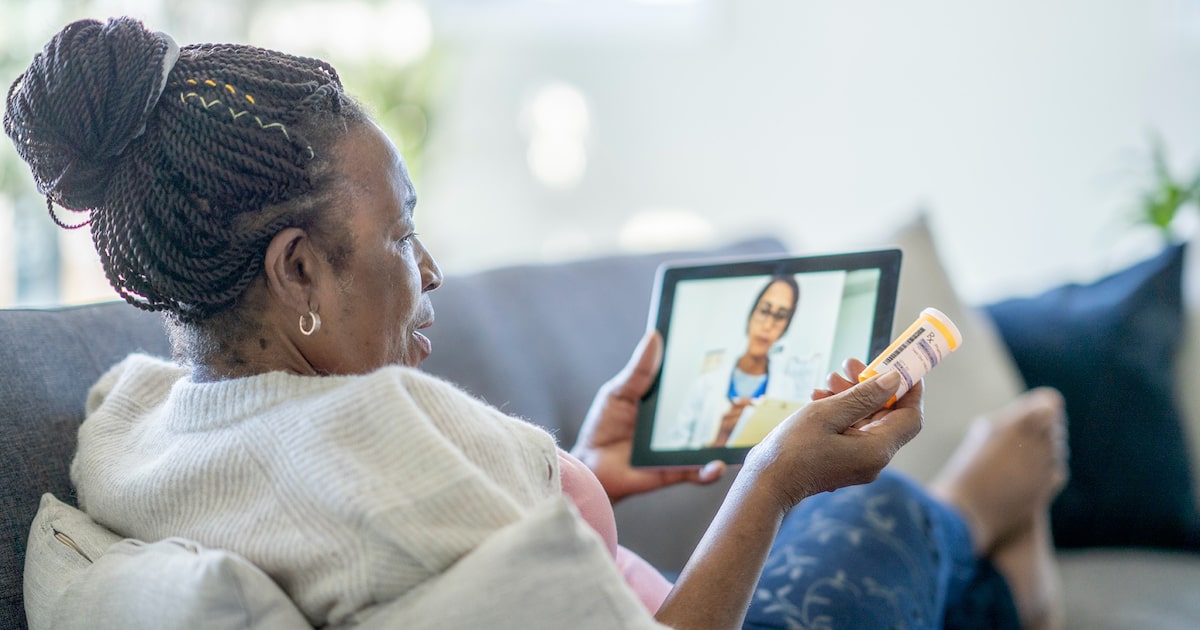
In January 2025, the Garland City Council met with Dallas-based MD Health Pathways. Garland was looking for ways to address the health care gap, and Dirk Perritt, CEO of MD Health Pathways, had a solution — Tap Telehealth, a program that connects residents to a doctor by phone for consultations, medical guidance and that can provide prescriptions.
Opinion
A few months later, the City Council voted to implement the program. Garland would have been the biggest city to adopt the model, joining a smattering of municipalities like Ferris, Henderson and Crandall.
Under the proposal, every household would have been automatically enrolled and billed $6 per month through their utility statement unless they took action to opt out. In the first year, the city anticipated the program would cost about $163,000.
Residents were rightly upset. Automatically enrolling households and adding the cost in with services like water or electricity created the perception that the city was slipping in a new fee without clear consent from taxpayers. If people weren’t aware of the new program, would they know to opt out? At a recent meeting, the Garland council canceled the program.
An opt-in model would have been a better approach. Residents who see value in the telehealth service could sign up while those who already have established providers would not need to navigate an opt-out process.
Perritt told us the idea of telehealth is to provide “concierge medicine for the common man.” He compared telehealth to 911 services, explaining that there was a time when the idea of municipalities providing emergency services was unheard of. In his view, cities should have a more direct role in providing health services.
However, municipalities already struggle to maintain roads, manage public safety and balance tight budgets. They are not typically equipped to implement their own health programs. At the same time, the private sector has its own challenges and hasn’t always met community needs.
If Garland wants to revisit telehealth, it should do so through a more deliberate partnership, perhaps with an established regional provider that has experience working with larger cities.
We welcome your thoughts in a letter to the editor. See the guidelines and submit your letter here.
If you have problems with the form, you can submit via email at letters@dallasnews.com