
Seeing a gap between elementary and middle school students receiving mentorship versus high school students, two UT undergraduates set out to solve the issue.
Adelaide Escott, political communication alumna, and Emma Mattson, an advertising senior, established the first collegiate chapter of the Peer Assistance, Leadership and Service (PALS) program in fall 2024, working to provide mentorship to high school students in Texas. Since then, the chapter expanded to three high schools with 79 members at UT.
“We really thought that there’s such a need there,” Mattson, Texas PALS president, said. “When you’re in high school, there’s so much going on, there’s so much change, and it can kind of feel like high school is your entire reality, like there’s nothing beyond that.”
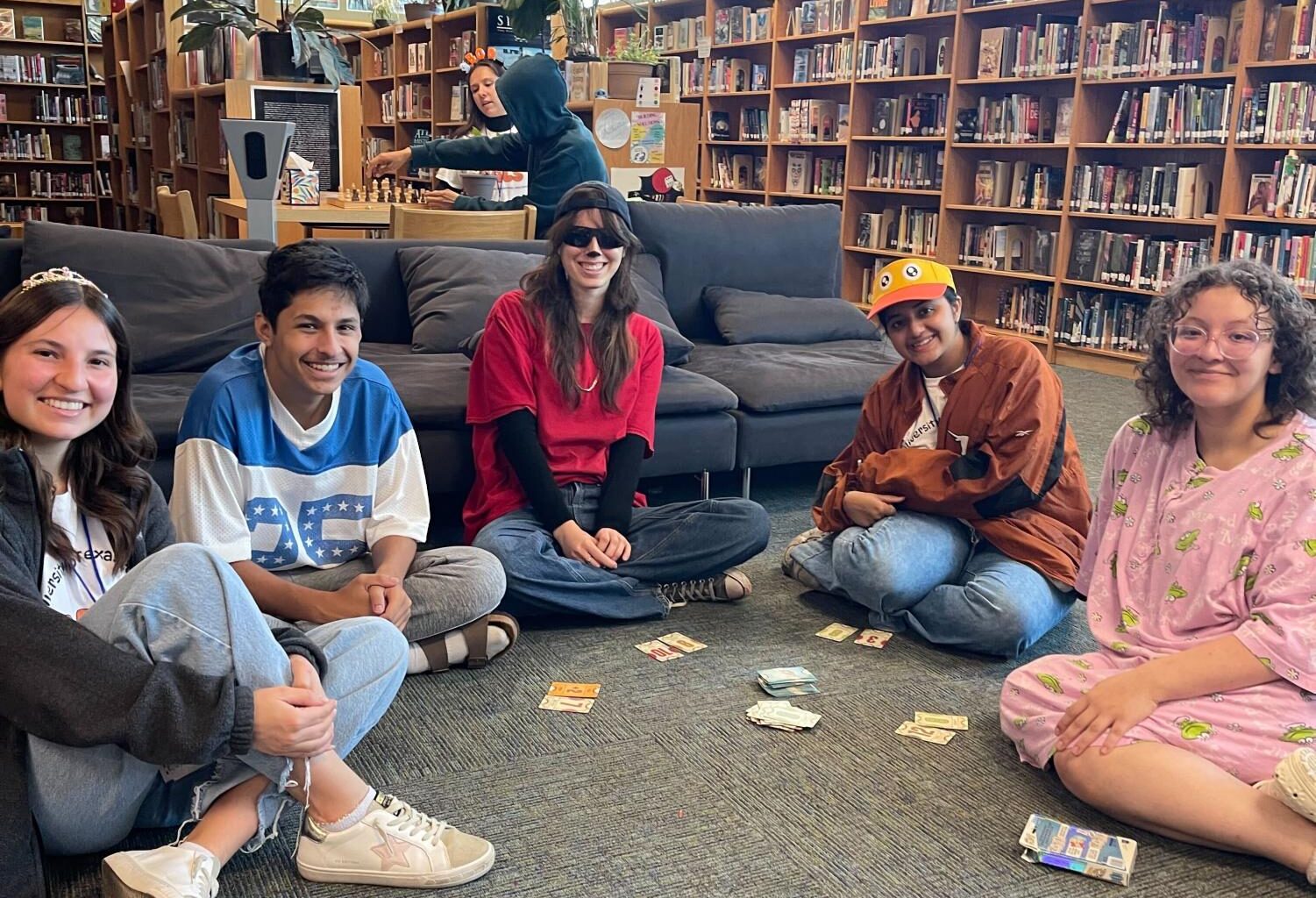
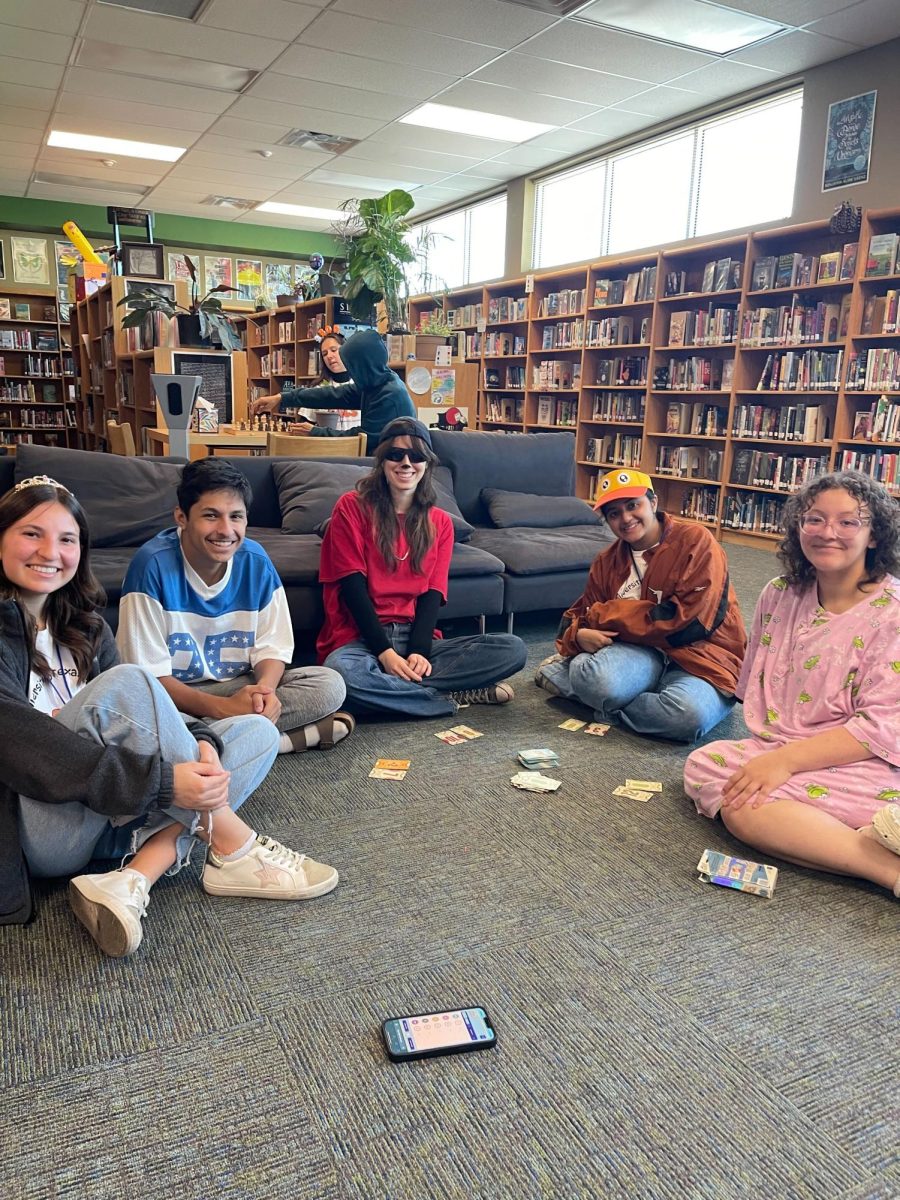
The organization offers mentorship at Vandegrift High School, McCallum High School and Garza High School to around 100 students. Mentors provide emotional support by engaging with students through activities that promote connection.
“The most rewarding part is seeing (mentees) get comfortable,” said Rohan Engineer, a psychology junior and mentor at Vandegrift High School. “Having conversation(s) with you and laughing with you and playing games.”
Escott and Mattson obtained permission from the creator of the national PALS organization to implement the program at UT. New mentors undergo training that involves preparing for difficult conversations and leading exercises that mentors can do with their students.
Avery Zeeff, mentor lead at Vandegrift High School, said mentors go to classrooms during the last 30 minutes of the students’ advisory period every Friday.
“It’s their avid class, so usually they’re just doing a short assignment,” Zeeff said. “We come and say, ‘Hey guys, y’all can put your stuff away. We’re gonna just hang out and take a brain break.’”
Mentors aim to cultivate students’ communication skills, confidence and ability to navigate decisions, relationships and challenges as they transition from high school to the real world.
For Rohan Engineer, mentorship can be an easy-going, happy conversation.
“It’s just good for people to have relationships in their life that are unconditionally positive,” Engineer said.
Abbey Ybarra, Texas PALS historian, said she thinks PALS proves beneficial for high schoolers because the mentors serve as a consistent presence in students’ school lives.
“The stability in that is really comforting to high school students, especially if they don’t know what they want to do … with their lives,” Ybarra said. “I think the (mentors) constantly being there for them is something that they really value.”