
Published on March 02, 2026
By Jesse Haston, Public Works Stormwater Floodplain intern
Spring is just around the corner in North Texas, making it the perfect time to start planning your garden. As we prepare for the growing season, the City of Arlington is excited to celebrate Texas SmartScape Month throughout March. March brings us awareness of SmartScape Month to highlight how our landscaping choices directly impact the local ecosystem. By choosing plants that are native or highly adaptive to North Central Texas, we can trust that our landscapes will look attractive and thrive even in years of drought.
Plant Smart. Grow Native
Native plants are those that naturally occur in North Texas and have evolved to thrive in our specific local climate and soils. These resilient choices require less water, fertilizer, and general maintenance than traditional landscapes. By utilizing the Texas SmartScape program, residents can design gardens that promote water conservation and prevent stormwater pollution.
A healthy pollinator population—including bees, butterflies, birds, beetles, and flies—is vital to our food systems and strengthens the diversity of our local ecosystem. In fact, over 80% of native plants in Texas rely on these pollinators to reproduce.
Elements of a Successful Pollinator Garden
Creating a sustainable landscape involves more than just beautiful flowers; it requires providing for the full life cycle of local wildlife. Key elements we will discuss include:
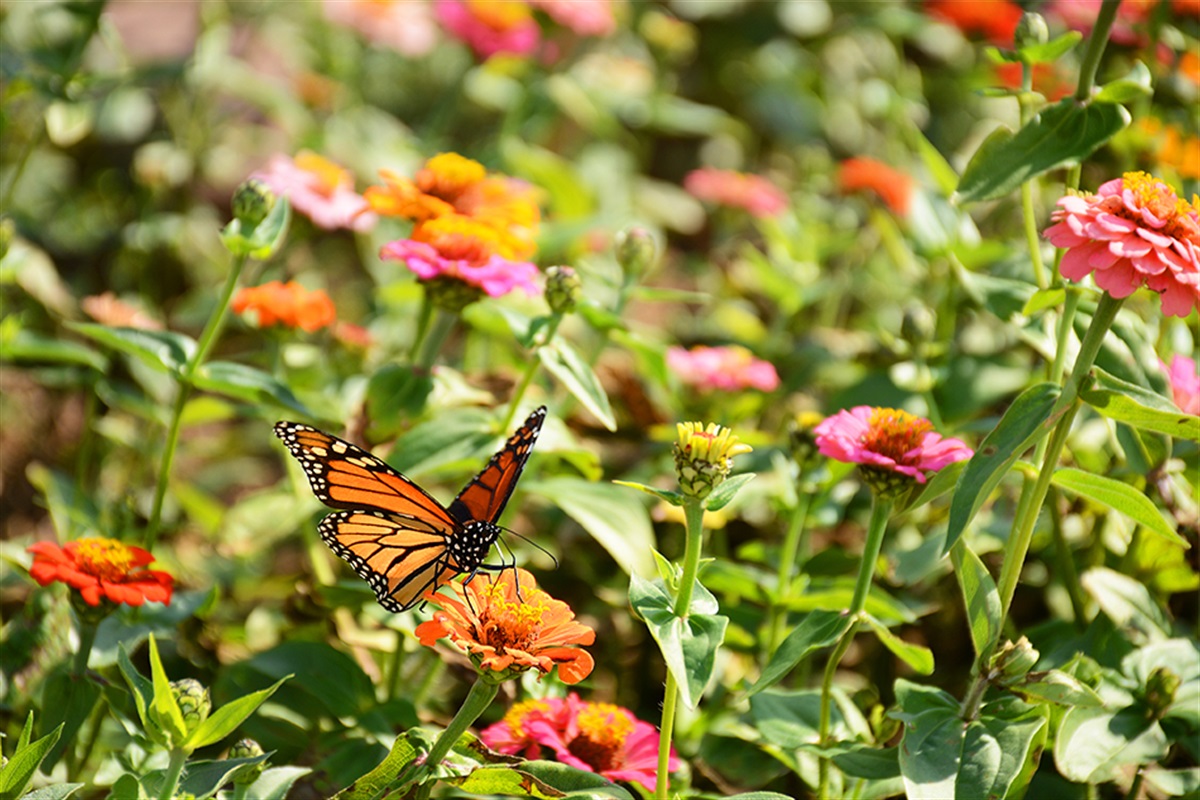
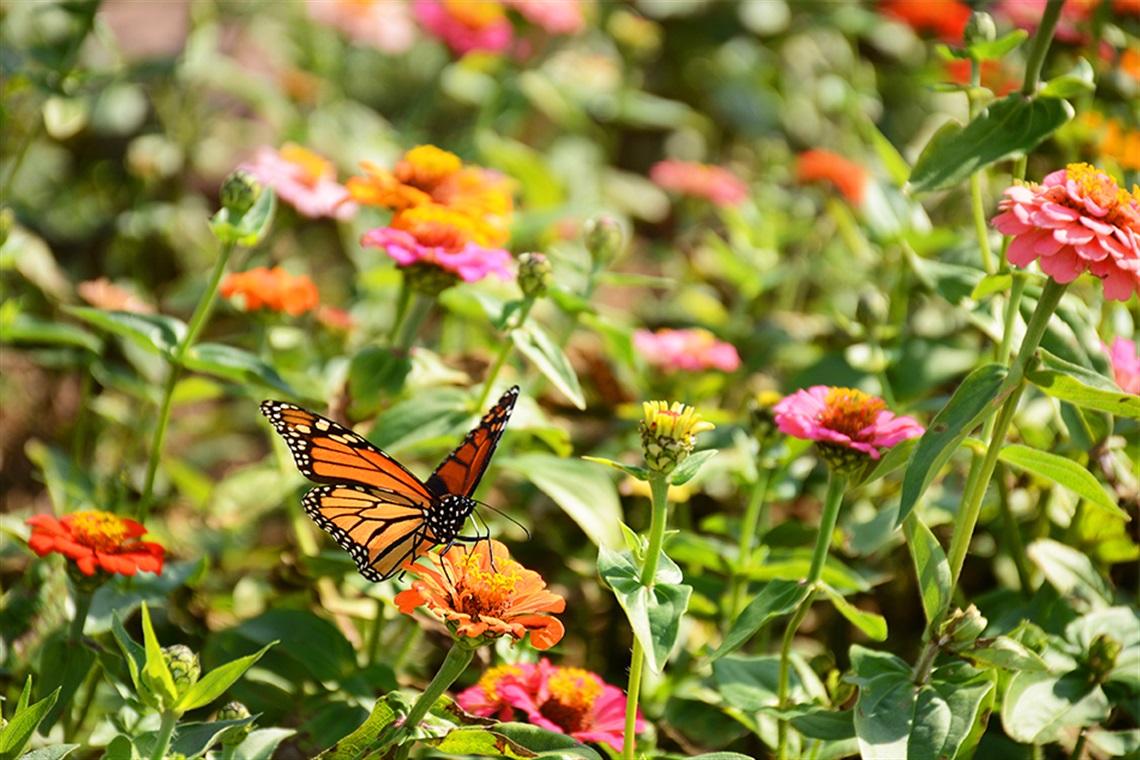
Host Plants: These are essential because certain insects lay their eggs on them, and the resulting larvae or caterpillars feed specifically on those leaves. For example, Monarch caterpillars can only eat milkweed.
Shelter and Water: Providing shallow water sources, rocks, stems, and even leaf litter offers necessary protection for native bees and other species.
Pollinator Nesting Protection: Residents can help local pollinators by providing specific nesting places, such as leaving areas of bare soil for ground-nesting bees or maintaining brush piles and hollow stems. Avoiding “over-cleaning” garden beds in the fall ensures that overwintering pollinators have a safe place to complete their life cycle
Integrated Pest Management (IPM): Protecting pollinators requires a sustainable approach to managing pests with minimal chemical impact, such as encouraging beneficial insects like ladybugs.
Discover Local Native Species
Attendees will learn about several plants’ native to our region and the specific pollinators they support:
Turk’s Cap: Host to the Turk’s Cap White-Skipper.
Wine Cup: Supports the Gray Hairstreak butterfly.
Flame Acanthus: A host for the Texan Crescent.
Zexmenia: Supports the Bordered Patch butterfly.
To kick off this spring planting, the City of Arlington will be hosting an educational presentation on native plants and pollinators from 6:30 p.m. to 7:30 p.m. Thursday, March 12, 2026, at the Southwest Branch Library, 3311 SW Green Oaks Blvd. The presentation will be led by Jesse Haston, Public Works Stormwater Floodplain intern.
Whether you are a seasoned gardener or just starting your first backyard project, this presentation will provide the tools and inspiration you need to “Plant Smart” this year.
For more information, visit www.arlingtontx.gov/stormwater or explore the regional plant database at www.txsmartscape.com.