
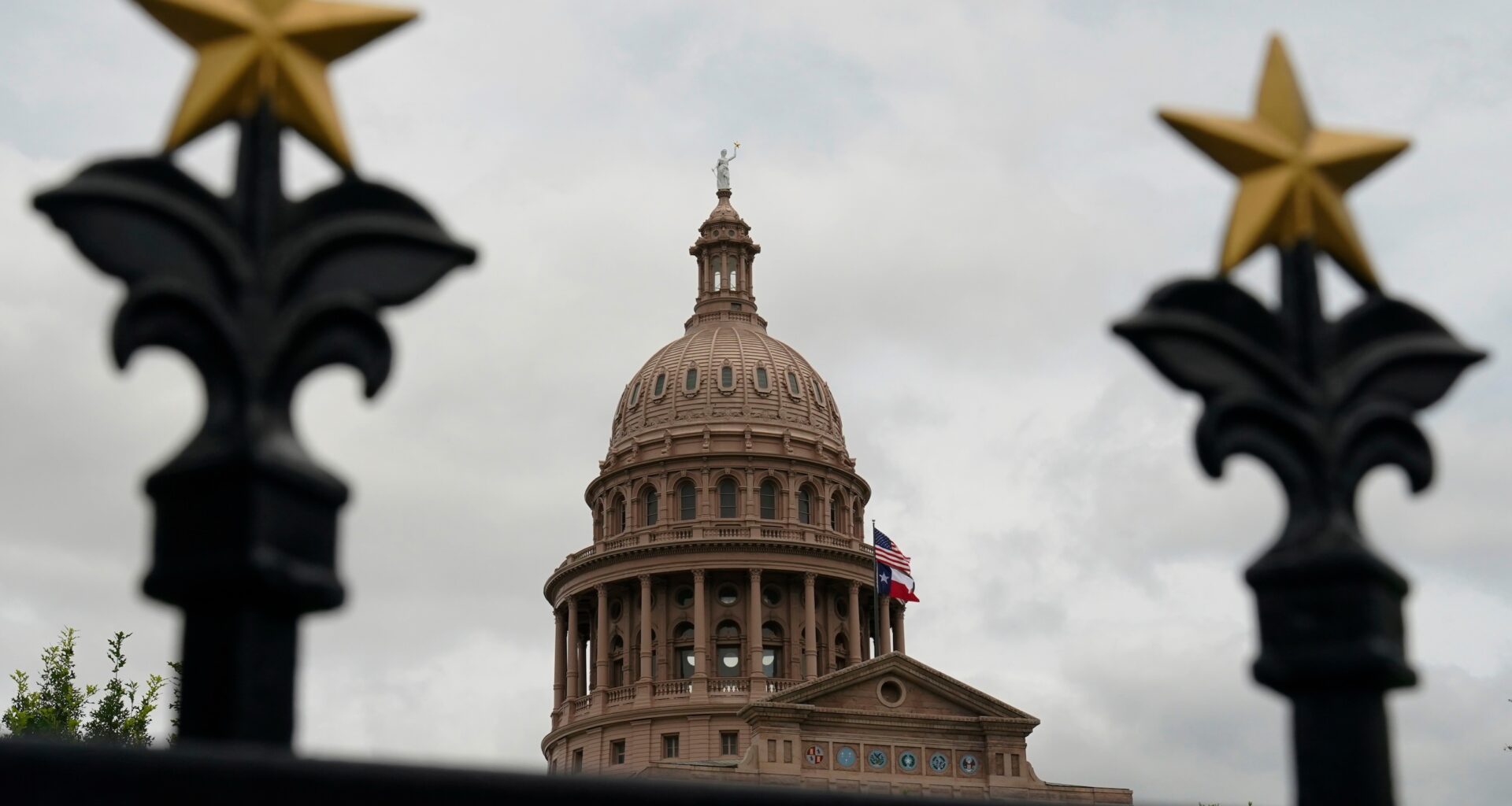
For some years now, Texas has been considered a preeminent bellwether for the United States. As Texas goes, so they say, so goes the nation. If that’s true, the political events of the past week in the state may reveal a lot about what’s to come.
On Sunday, a shooter killed three people — college students 19-year-old Ryder Harrington and 21-year-old Savitha Shan, and 30-year-old MMA fighter Jorge Pederson — and injured more than a dozen others at a bar in Austin. The suspected perpetrator, like many mass shooters, had a history of domestic violence. Years before the attack, a family court judge found that he had a “history or pattern of committing family violence.” Under Texas law, that sort of civil ruling does not bar someone from owning guns. The mass shooting came just two days before the state’s primary elections, and lawmakers and candidates quickly politicized the tragedy.
The Texas primaries included some of the most high-profile races in the country, thanks in no small part to scandals surrounding the candidates. The Democratic race for U.S. Senate gained a national profile thanks to the dramatic conflict between State Representative James Talarico, who won his spot on the ballot, and U.S. Representative Jasmine Crockett. The GOP ticket, however, is more significant for the future of gun policy, and nothing was finalized on Tuesday. Incumbent Senator John Cornyn, a quietly powerful conservative in Washington who ensured that the landmark Safer Communities Act became law (and has been trying to recover his conservative bona fides ever since), and Attorney General Ken Paxton, a scandal-prone far-right provocateur who once sued the State Fair over its gun-free policy, are headed to a runoff.
The race for the GOP ballot to represent Uvalde, where the Robb Elementary School massacre spurred the Safer Communities Act four years ago, also headed to a runoff — but not for long. Incumbent U.S. Representative Tony Gonzales, a centrist who also supported the Safer Communities Act, is wrapped up in a scandal over his affair with an aide who later took her own life. Gonzales dropped his reelection bid on Thursday, after House Republican leaders called on him to end his campaign. Now, the Republican nomination goes to Brandon Herrera, an extreme gun rights activist who campaigned with Kyle Rittenhouse during his last attempt at Gonzales’ seat. Herrera is known online as the “AK Guy.” He owns a small gun manufacturing company, and has built his campaign on opposition to gun regulation and extremist talking points.
Finally, the trial against nine people accused of belonging to a “North Texas antifa cell” and participating in the nonfatal shooting of a police officer at a Dallas-Fort Worth-area ICE facility entered its second week. The case is widely viewed as a test of President Donald Trump’s efforts to label left-wing activists as domestic terrorists.
U.S. District Judge Mark Pittman, a Trump appointee, is presiding over the trial. Pittman singlehandedly selected jury members, after declaring a mistrial on the first day of jury selection. Pittman took issue with a defense attorney’s shirt, which depicted scenes from the civil rights movement, and appeared frustrated with the pool’s responses to questions about support for Trump, immigration enforcement, and gun rights.
Like any high-profile trial, dueling narratives from the government and defense and the slow reveal of evidence make it difficult to discern the truth of an already complicated case. (KERA reporter Toluwani Osibamowo has thorough reporting on the shooting and the trial.) But the facts are these: Someone shot and wounded a police officer during a protest outside an immigrant detention facility. Nineteen people were arrested in connection to the shooting, seven of whom were not present at the protest; none have a history of violent crime. Federal prosecutors have argued that they were part of an “antifa terror cell.” Though the president has declared “antifa” to be a domestic terrorist organization, it is not an organized group, and there’s no mechanism to charge people with domestic terrorism in federal court.
Legal experts say the case raises grave concerns. “It should concern everyone else in the country, because their community, their circles, might be next,” Xavier de Janon, the director of mass defense at the National Lawyers Guild, told The Guardian in December. “This precedent could result in people facing terrorism charges for doing very simple mainstream activism.”