
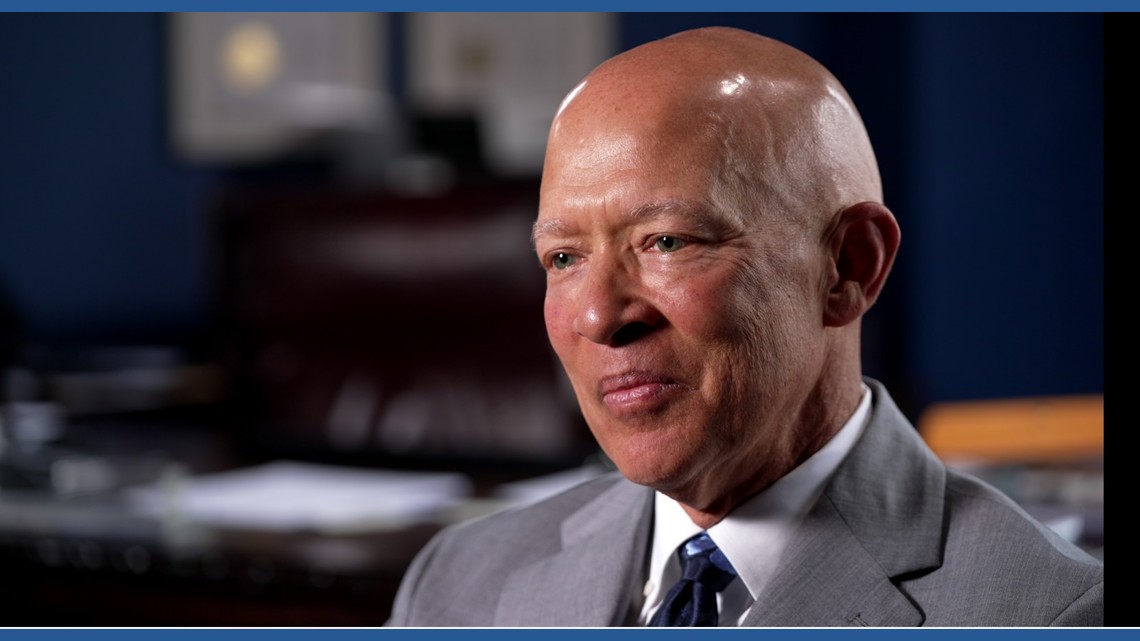
Following his primary defeat, Creuzot discusses the policies, controversies and reforms that defined his nearly eight years as Dallas County’s top prosecutor.
DALLAS — After decades inside Dallas County’s criminal justice system — as a prosecutor, judge and district attorney — John Creuzot is preparing to leave the office he once hoped to lead for another term.
Creuzot lost the Democratic primary earlier this week to former state district judge Amber Givens. In an interview with WFAA, he reflected on nearly eight years leading the office and the reforms he pursued during his tenure.
Creuzot first won the district attorney’s race in 2018, defeating Republican District Attorney Faith Johnson after campaigning on a promise to change how the criminal justice system treats poor defendants.
He has spent decades inside Dallas County’s criminal justice system — first as a prosecutor, then as a state district judge, and since 2019 as the county’s top prosecutor, leading an office of roughly 600 employees, including nearly 300 attorneys. During his time on the bench, Creuzot also helped launch one of the first drug courts in Texas, an effort aimed at diverting people with addiction issues into treatment rather than prison.
“What I am is a problem solver,” Creuzot said.
That’s how he says he hopes people remember him.

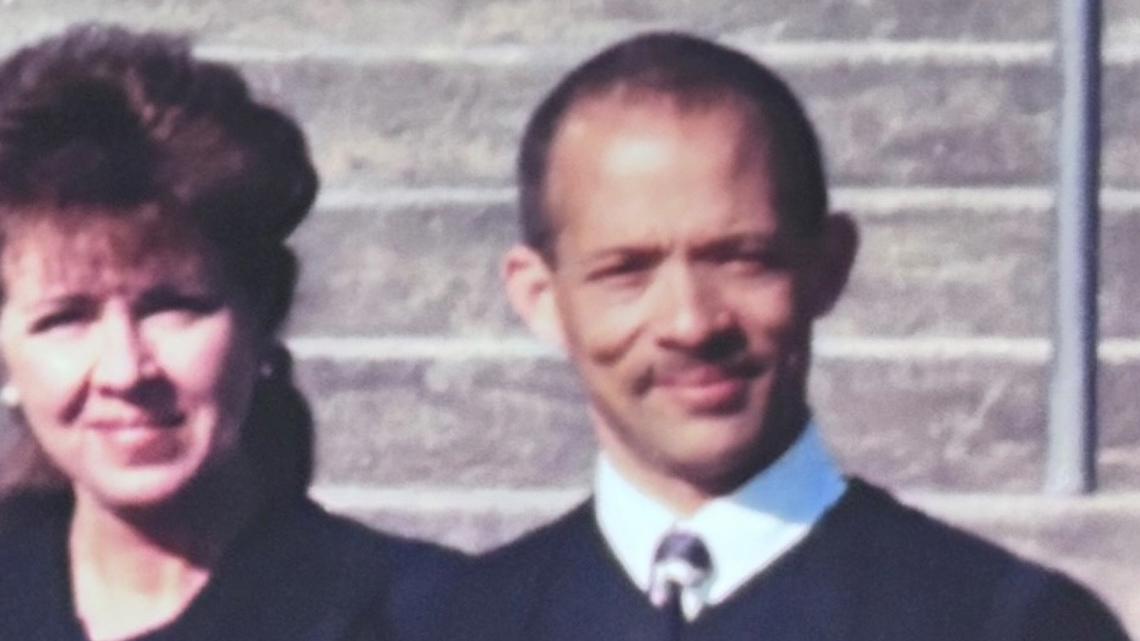
Asked how he was feeling after the primary loss, Creuzot said simply: “Well, I’m disappointed.”
In the interview, Creuzot suggested the outcome may have been shaped by unusually high turnout from voters who do not normally participate in Democratic primaries, saying many may have had limited familiarity with the candidates.
During his time in office, Creuzot helped push through a series of criminal justice changes in Austin — including tougher fentanyl penalties, stronger protections for victims, new disclosure rules for prosecutors, and legislation designed to combat real estate deed fraud.
Early in his tenure, Creuzot drew criticism for directing prosecutors not to pursue some low-level theft cases involving first-time offenders — a policy critics blamed for contributing to retail theft. Creuzot said the goal was to avoid saddling people committing poverty-driven offenses with criminal records and insisted the data showed the policy did not increase crime.
“The idea that we created a crime wave was false,” Creuzot said.
Creuzot said the controversy also revealed that other prosecutors quietly handle similar cases the same way.
“What I learned was there are lots of other DA’s offices in the state and around the country that don’t prosecute those cases, and they just never said it,” he said. “So even a Republican state senator says it seems to me that the problem here is that you announced it, and I said, ‘I think you’re right.’”
He said he rescinded the policy shortly before the end of his first term, noting prosecutors accepted about 98 or 99 percent of those cases before the policy — and that rate did not change while it was in place.

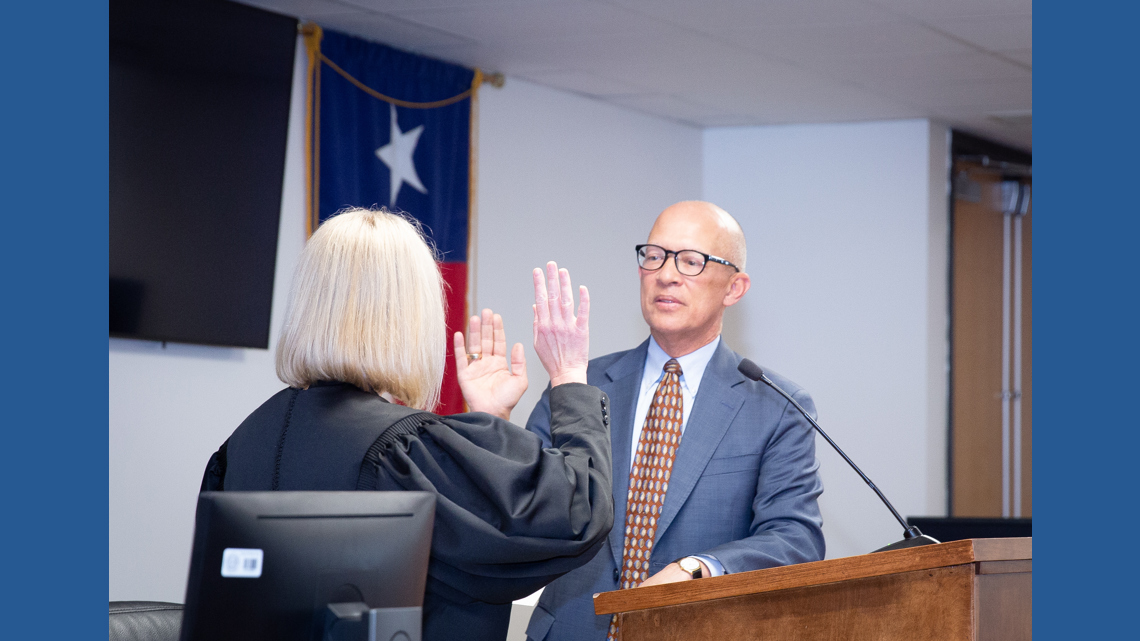
In 2019, Creuzot also announced that the office would generally stop prosecuting low-level marijuana possession cases. He said the move would reduce racial disparities and allow prosecutors to focus on more serious crimes.
“What I also saw, and the numbers showed, was that year in and year out it’s 90% Black and brown they get arrested for that particular offense,” he said.
In response to policies like that around Texas, lawmakers passed Texas House Bill 17 in 2023, allowing prosecutors to be removed from office if they adopt blanket policies refusing to prosecute entire categories of crimes.
“The law has changed. We have to prosecute every case,” Creuzot said.
But he also noted that between 2018 and 2025, there has been a 74 percent drop in the number of marijuana cases filed with the district attorney’s office by local police agencies.
“So even the police are thinking about what they’re doing and who they’re impacting and whether this really has a positive impact on reducing crime,” he said.
Creuzot also pointed to work aimed at reforming Dallas County’s juvenile justice system. A study commissioned by his office in 2023 found serious problems in how juvenile cases were being processed.
“There was a lot of angst about that, a lot of upset people that it pointed fingers,” he said. “Well, it pointed fingers at us, too.”
He said a new report expected soon will show what he described as a “180-degree” turnaround in the system.
Creuzot also highlighted changes aimed at reducing repeat arrests among people with serious mental illness. He said he created a mental health division and expanded it from four employees to 24.
“What we have is a 15 to 20% recidivism rate where the national average for people with those diagnoses in criminal justice is 50 to 70%,” Creuzot said. “The mental health division achieves justice for people who are otherwise marginalized or ignored.”

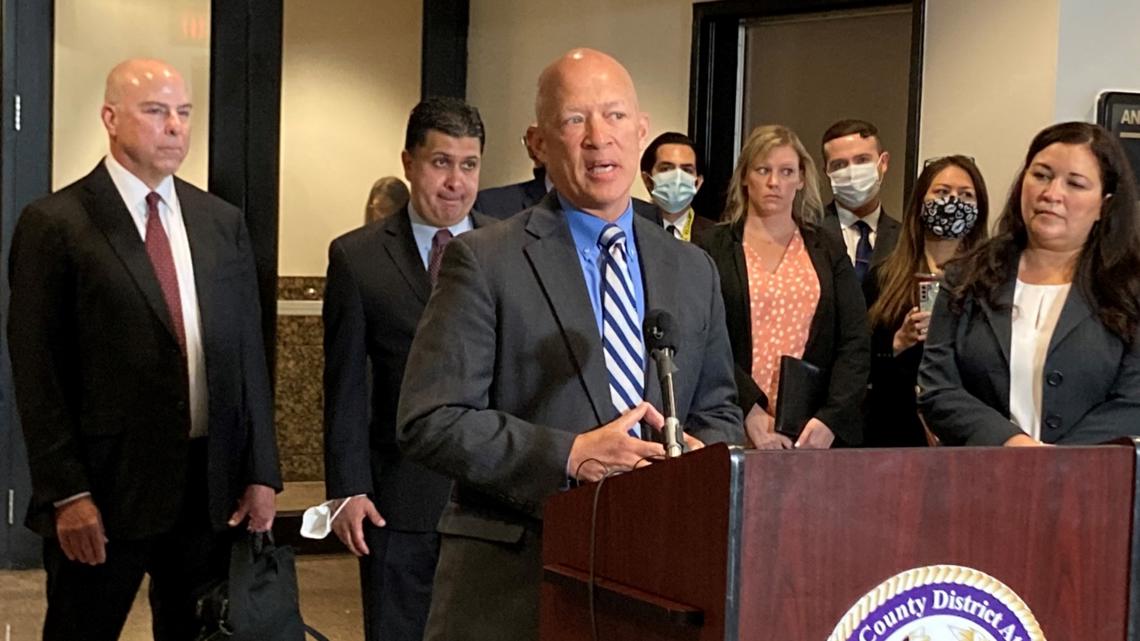
Creuzot said the office also confronted past mistakes — including Dallas County’s recent declaration that a man executed nearly 60 years ago was innocent.
“To take a case from 1956 … and recognize that the system dropped the ball and probably intentionally killed an innocent man just to calm the community — that’s significant,” he said.
Creuzot said the job of district attorney is more complicated than many people expect.
“Every DA in the state of Texas who I know, especially in the large counties, myself included, is unprepared for the complexities of this job,” he said. “My day is never whatever the schedule says, OK.”

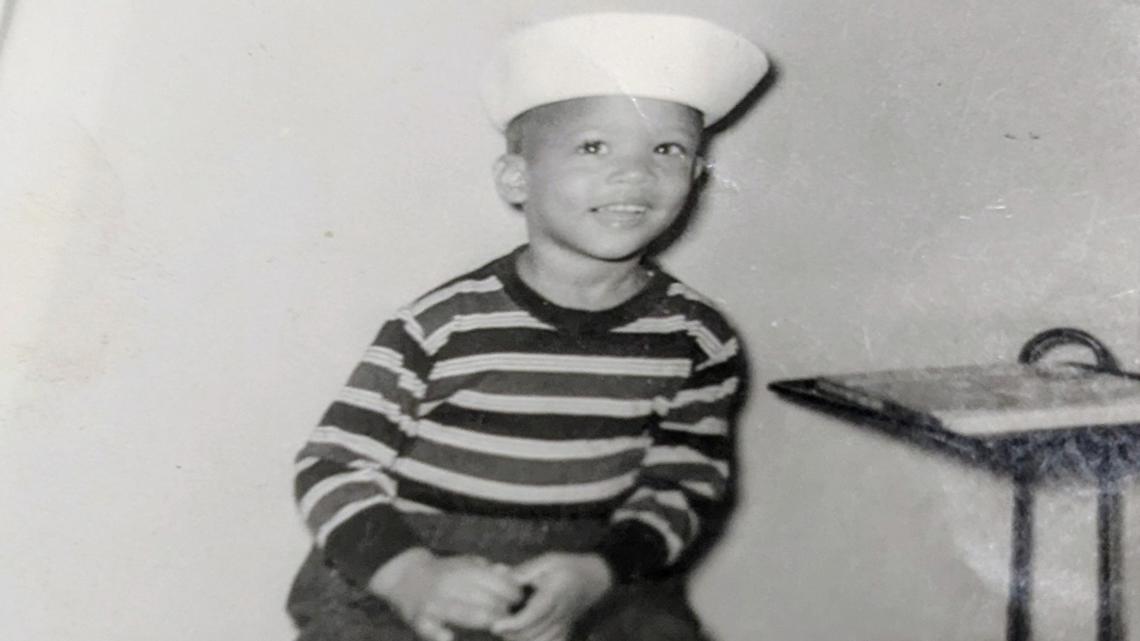
Creuzot was reflective, noting he rose from humble beginnings in New Orleans’ Ninth Ward, moved to the Houston area as a boy, and later earned his law degree at Southern Methodist University before rising to become Dallas County’s top law enforcement officer. When he first arrived in Dallas, he said, he knew no one.
“I’m from the 9th Ward in New Orleans. I’m not supposed to be the DA,” Creuzot said. “I had some cousins point out to me how much I’ve accomplished without having family ties … I did do it literally on my own here in Dallas.”
As for what comes next, Creuzot said it’s too soon to say.