
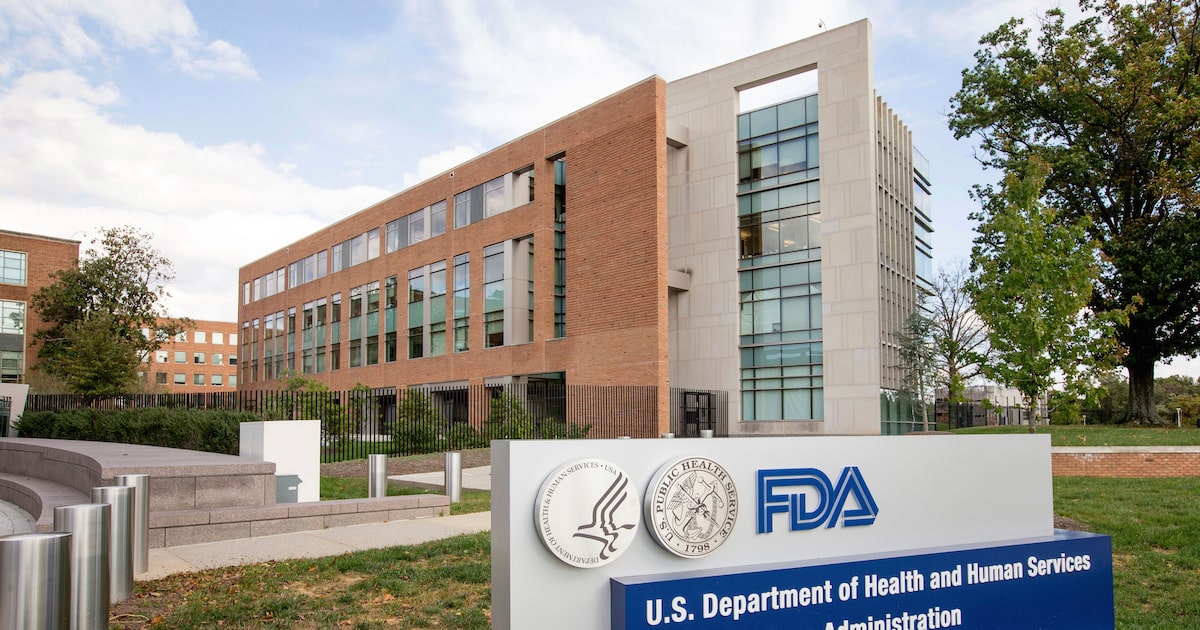
A new federal proposal aimed at speeding approval of gene therapies for ultra-rare diseases could offer renewed hope to North Texans like Kasey and Doug Woleben.
Since 2018, the couple has been advocating for a gene therapy that could help children like their son, Will, who has Leigh syndrome. The rare genetic disorder causes progressive damage to the brain and spinal cord and affects about one in 40,000 newborns. Kids with Leigh syndrome typically do not live past childhood.
In late February, the United States Food and Drug Administration outlined a framework — called the “plausible mechanism pathway” — that could accelerate approval of highly specialized treatments for conditions such as Leigh syndrome.
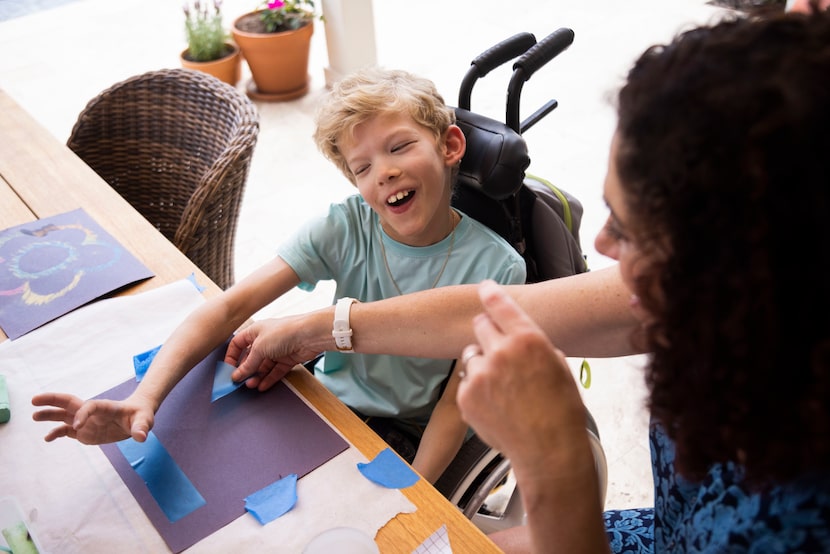
Will Woleben, pictured in 2023 at age 11, practices making art with teacher Michele Montgomery during his last lesson of the school year at his home in McKinney. Will has a rare genetic disease called Leigh syndrome.
Juan Figueroa / Staff Photographer
News Roundups
The idea, first described in the New England Journal of Medicine in November by FDA Commissioner Dr. Martin Makary and Dr. Vinay Prasad, the agency’s top vaccine regulator, would allow the FDA to approve treatments if there is plausible evidence they address the underlying biological cause of a disease — even without large clinical trials.
For the Wolebens, who have raised more than $1 million to help develop a gene therapy for Leigh syndrome, the proposal comes after years of slow, and sometimes stalled, progress.
“This opens the doors to patients who never had a chance or options before this framework,” said Kasey Woleben, who lives in McKinney with her family and cofounded Cure Mito, a patient organization for Leigh syndrome, along with her husband.
“This is huge for the rare disease community, especially for gene therapy, which I believe is the future of medicine.”
A long process
Rare genetic diseases are numerous, with more than 6,800 having been identified, and they affect an estimated 25 million to 30 million Americans. But because each condition is so uncommon, there are often too few patients with any one disease to test potential gene therapies, which typically work by replacing a defective gene with a healthy version.
“Clinical trials leading to drug approval typically involve large studies with hundreds or thousands of subjects, and that often isn’t possible with rare diseases,” Steven Gray, a molecular biologist at UT Southwestern Medical Center, said in an email. Gray has been involved in developing a gene therapy for Leigh syndrome since 2018.
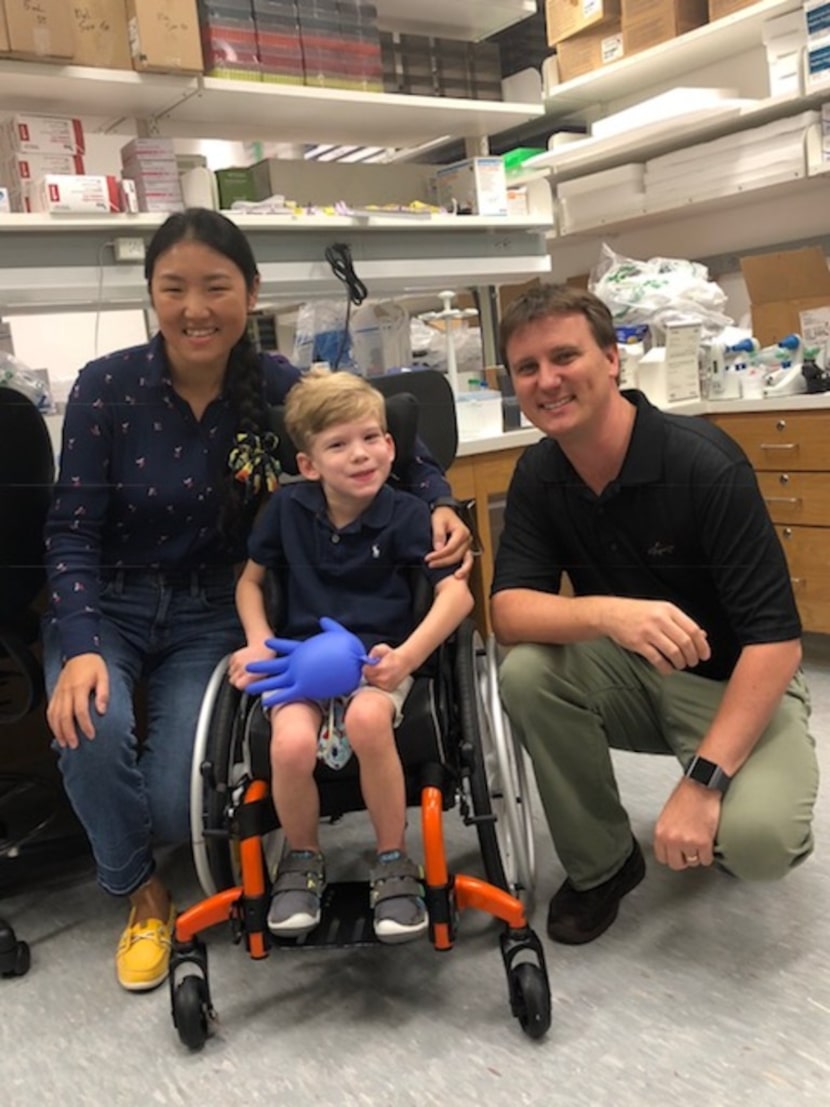
Will Woleben, pictured in 2018 at age 6, of McKinney, visits with UT Southwestern Medical Center researchers Qinglan Lin (left) and Steven Gray. Gray’s lab has been developing a custom gene therapy that could help Will, who suffers from a rare genetic illness called Leigh syndrome.
Kasey Woleben
Biotechnology and pharmaceutical companies tend to focus their research funds — often in the billions of dollars — on treatments for more common conditions, where potential returns are far greater, even when gene therapies for rare diseases show promise, Gray added.
But with the lowering of the FDA’s regulatory hurdles, therapies for ultra-rare genetic diseases could gain momentum.
“We anticipate our Plausible Mechanism draft guidance will inspire industry to place increased focus on individualized therapies, thereby driving innovation, improving safety, lowering costs and offering more patients with ultra-rare diseases a unique shot at a life-saving treatment,” Dr. Tracy Beth Høeg, the FDA’s acting director for its Center for Drug Evaluation and Research, said in a news release.
The current proposal is not yet a new FDA standard because the agency will take comments for 60 days before finalizing it, the Associated Press reported in late February.
No better time than now
In 2020, UT Southwestern partnered with Dallas-based Taysha Therapeutics on a gene therapy for one type of Leigh syndrome designed to replace a mutated protein involved in the mitochondria — the cell’s energy powerhouse — with a healthy version. A few years ago, Taysha returned the intellectual property to UT Southwestern, and Gray and his colleagues have since redesigned the therapy to reduce any potential toxic side effects.
“We had another meeting with the FDA a year ago, and received approval on the steps we want to take toward a clinical trial,” Gray said in his email. He added that if funding is secured, a reasonable estimate to begin clinical trials for the gene therapy would be in about a year and a half.
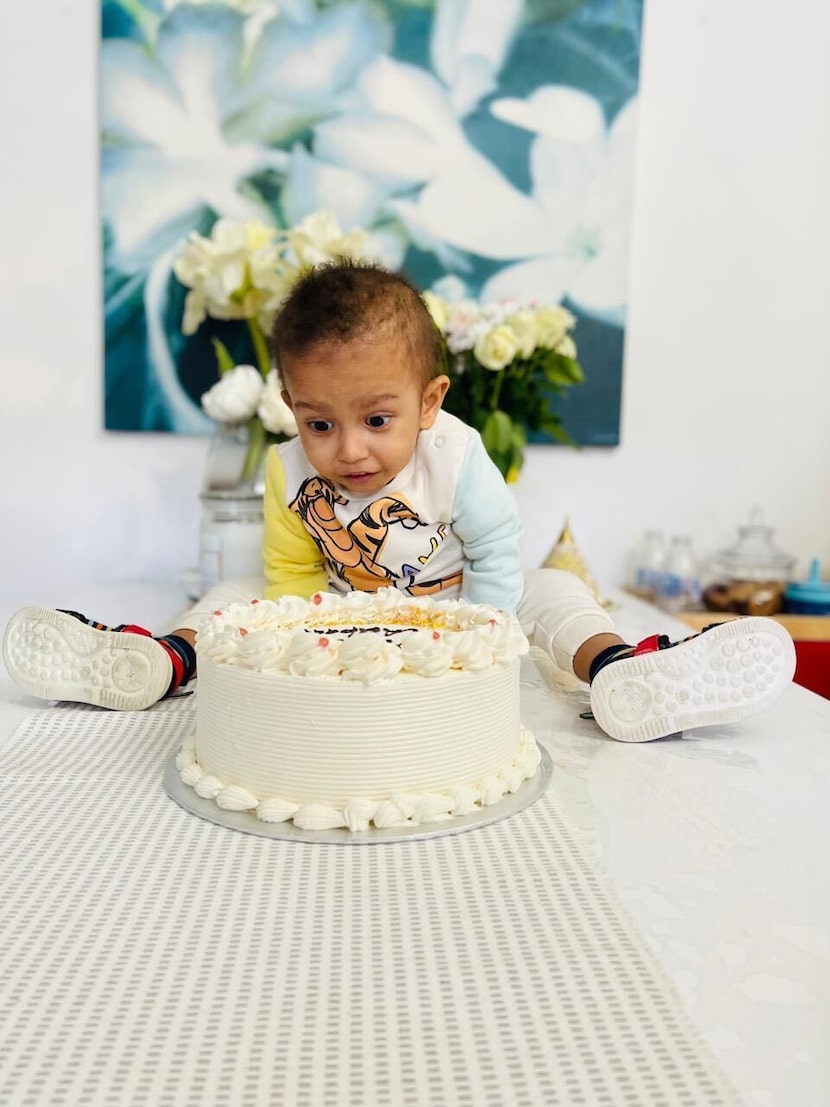
Md Adbeel Rahman, now age 4, in an undated photo. Adbeel has Leigh syndrome.
Md Adbeel Rahman
North Texas families living with Leigh syndrome are hopeful for the clinical trials, especially for young children still relatively new to their diagnosis — like 4-year-old Md Adbeel Rahman — and who might benefit the most in preventing the worst consequences of the disease.
Adbeel, as he is called by his parents, lives in Garland and was diagnosed shortly before coming to Texas from Bangladesh at 2. Now 4, he dreams of becoming a race car driver, said his father, Md Andalibur Rahman, but is slowly losing his mobility: He can’t walk as fast or jump as high as his peers, and he gets tired after riding his bike for more than five minutes.
“No child should have to measure their strength against their illness,” Rahman said. “If we come together and help fund gene therapy research for a cure for Leigh syndrome, these children can have a future they deserve.”
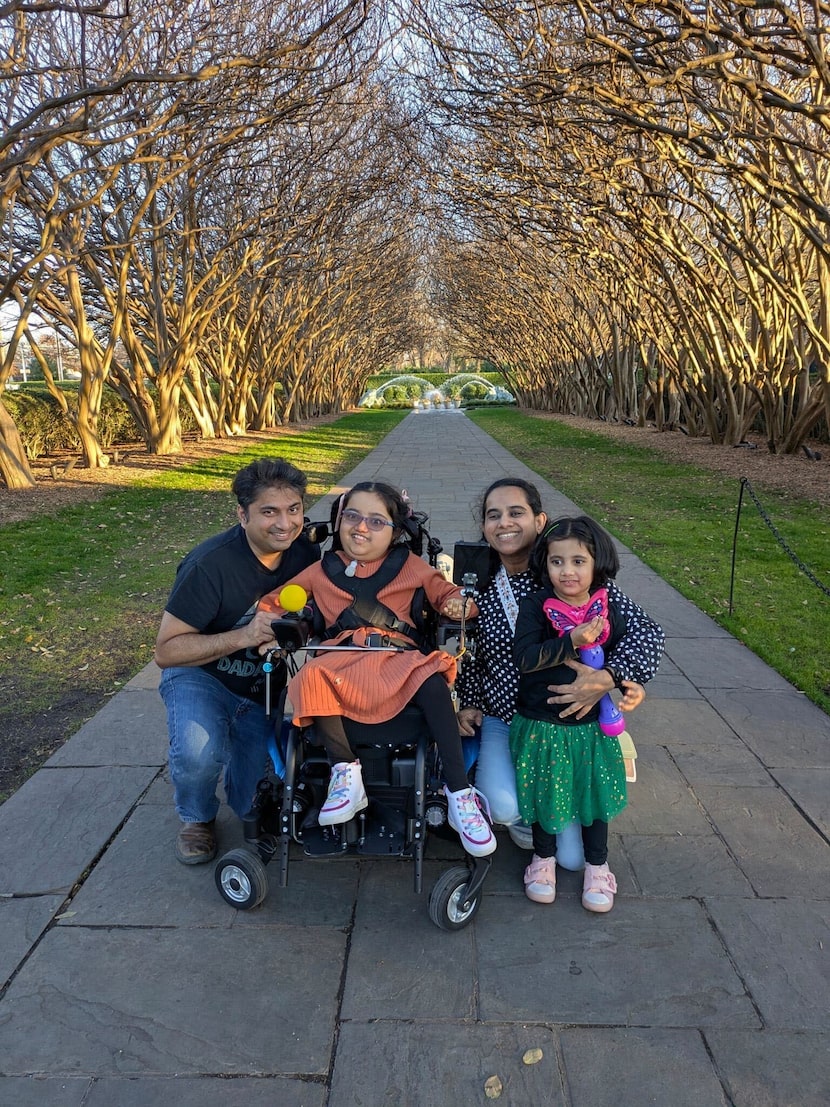
Anju Govind (second from right) and Kiran Ramachandran (far left) with their daughter Aadya Warrier (center), 10, and younger sister Krishna (far right).
Anju Govind
Even for older kids like Will, now 14, and 10-year-old Aadya Warrier of Irving, who have lost the ability to move and communicate unassisted, there is hope a gene therapy for Leigh syndrome could improve their lives, even if in a small way, said Anju Govind, Aadya’s mother.
In addition to funding a gene therapy for Leigh syndrome, Cure Mito is supporting research into existing drugs that may offer some therapeutic benefit — although no cure — for kids with the condition, Govind said. “We are hoping one or the other of these avenues will work out.”
Miriam Fauzia is a science reporting fellow at The Dallas Morning News. Her fellowship is supported by the University of Texas at Dallas. The News makes all editorial decisions.
 Making small changes: Learn how food impacts health at free panel hosted by The News
Experts say small changes can make a big difference. Join us for a panel discussion this week.
 Exercise may help mood in people at high risk for psychosis, UT Dallas study finds
The research suggests even modest exercise may strengthen brain connections and ease mood symptoms.
 As Dallas gears up for World Cup, the Perot debuts soccer science exhibit
The immersive experience features more than a dozen hands-on stations exploring biomechanics, sports psychology and the technology shaping modern soccer.
 Where can I see the lunar eclipse in North Texas?
A total eclipse before dawn will happen in March, followed by a partial eclipse in August.